Skip to content
gluten free puff pastry recipe hunts you down the moment you want to make something special, right? Like, you spot a beautiful tart or a fancy little appetizer online and then you remember the pastry part is usually the dealbreaker. I have been there, standing in the kitchen thinking, “Do I really want to wrestle with dough today?” The good news is you can absolutely make a flaky, buttery dough at home without gluten and without losing your mind. This is the version I make when I want to impress people but still keep it simple and doable on a normal day. Let’s get you those crisp layers and that proud “I made this” feeling. 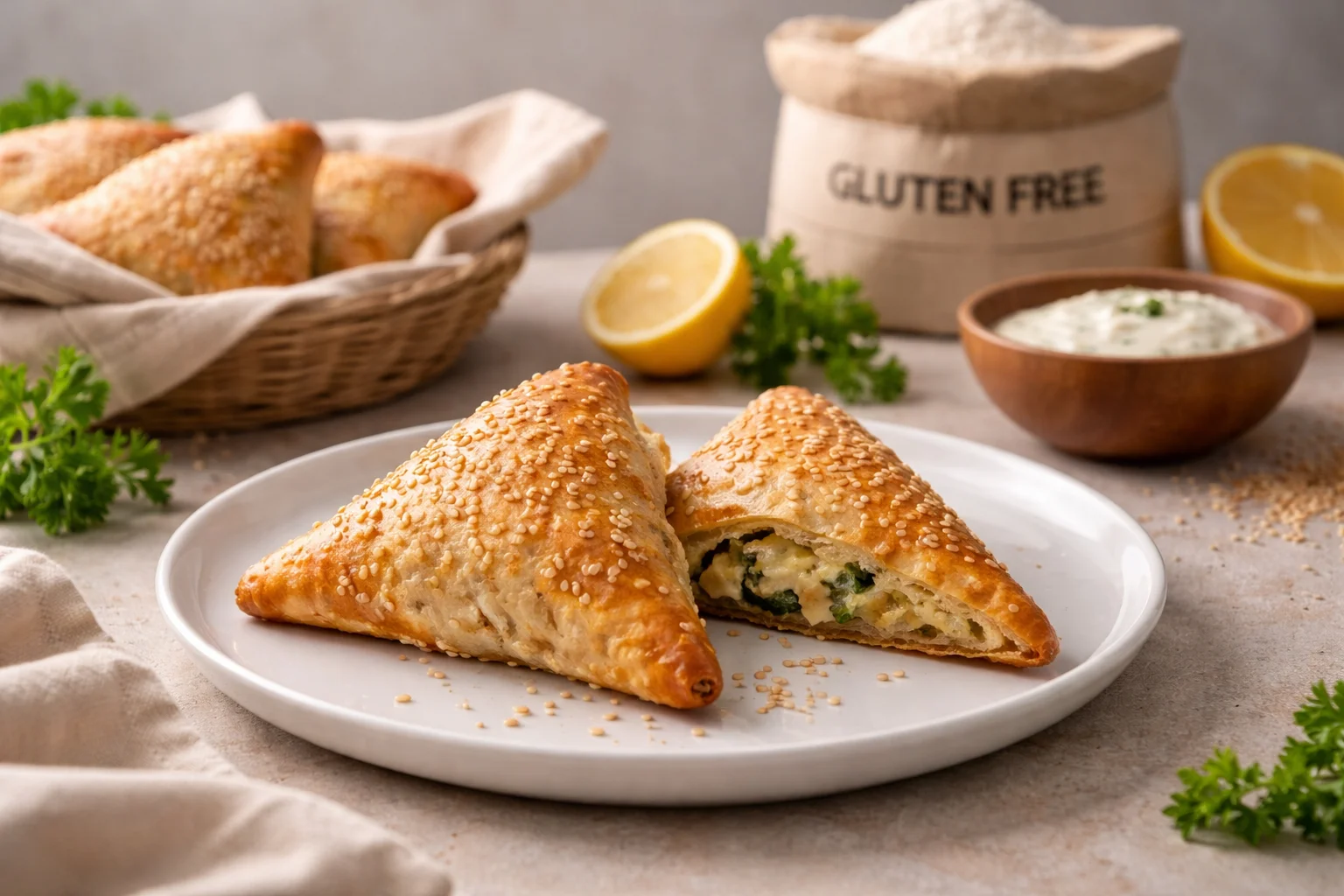
Why you’ll love this recipe
This dough is for real life. It is not one of those recipes that assumes you have six hours of free time and a pastry school diploma. It still gives you that puff pastry vibe, with layers that lift and get golden, and edges that shatter a little when you bite in.
Here is what makes it a repeat recipe for me:
- Flaky layers without complicated techniques
- Make ahead friendly because chilling is built in
- Works for sweet or savory so you can use it all week
- Gluten free but not sad or crumbly
Also, it is one of those recipes that makes people go quiet for a second when they taste it, in the best way. That first crunchy bite is extremely satisfying.
“I served this at a family brunch and nobody guessed it was gluten free. My sister asked for the recipe before she even finished her plate.”
How to make gluten free puff pastry
Let’s talk about what we are actually doing. Puff pastry is all about thin sheets of butter tucked into dough, then folded so it creates layers. When it hits the oven, the butter releases steam and lifts everything up. For a gluten free puff pastry recipe, we lean on a good flour blend plus chilling time to help the dough behave.
What you will need
Keep it simple. If you can measure, mix, and chill, you can do this.
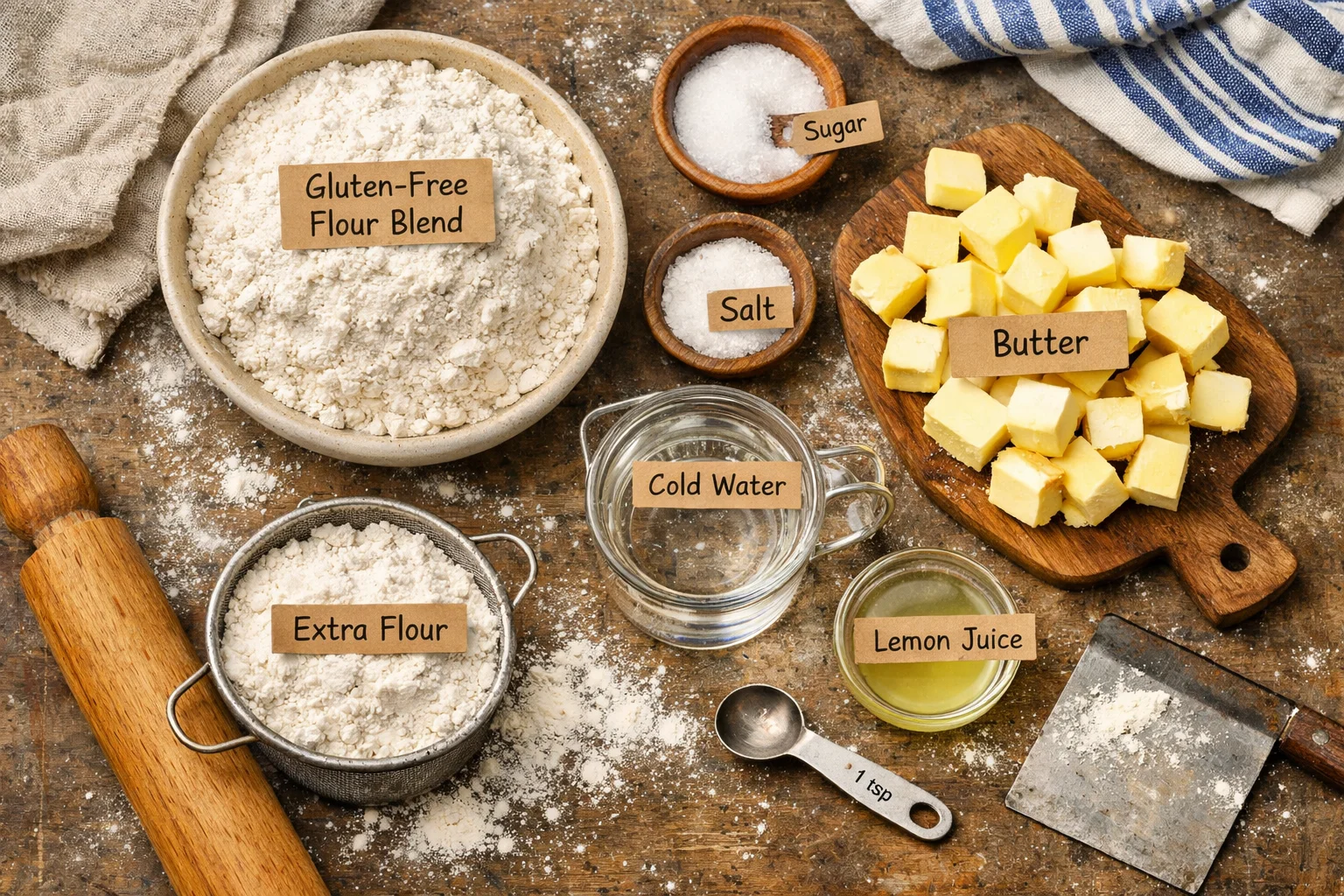
- 2 1/2 cups gluten free all purpose flour blend with xanthan gum
- 1 tablespoon sugar (optional, but I like it even for savory)
- 1 teaspoon salt
- 1 cup cold unsalted butter, cut into chunks
- 3/4 cup cold water, plus 1 to 2 tablespoons more if needed
- 1 teaspoon lemon juice or apple cider vinegar (helps the dough feel a little more flexible)
- Extra gluten free flour for dusting
Step by step directions
1) Mix the dry ingredients. In a large bowl, whisk the flour blend, sugar, and salt. This is your base.
2) Add cold butter. Toss butter chunks into the flour and press them slightly flat with your fingers. You want visible bits of butter. Not melted, not fully mixed in. Those butter pieces are your future layers.
3) Add liquids. Stir in water and lemon juice. Start with 3/4 cup water. Mix until it looks shaggy and holds together when you squeeze it. If it feels dry and dusty, add a tablespoon more water.
4) Chill. Pat the dough into a rough rectangle, wrap it, and chill for 30 to 45 minutes. This is not optional. Cold dough is easier to roll and gives you better puff.
5) Roll and fold. Lightly flour your surface. Roll the dough into a rectangle about 1/2 inch thick. Fold it like a letter: bottom third up, top third down. Turn it 90 degrees.
6) Repeat the folds. Roll again and fold again. Do this about 4 times total. If the dough starts sticking or the butter feels soft, stop and chill for 15 minutes, then continue.
7) Final chill. Wrap and chill at least 30 minutes before using. You can chill it overnight too, which honestly makes life easier.
8) Bake basics. Most things bake well at 400 F. Brush with egg wash for shine and deeper color. Bake until it is clearly golden and looks dry and crisp on the edges, usually 18 to 25 minutes depending on what you made.
If you are planning a full meal with this dough, you might like browsing my favorite gluten free dinner recipes for ideas that pair well with pastry, like cozy soups and simple mains.
;
Expert Tips
This is where the small stuff makes a big difference. Puff pastry is not hard, but it is picky about temperature and texture. These tips are what I wish someone had told me the first time.
Keep everything cold. If your kitchen is warm, chill your bowl for a few minutes first. If the butter melts into the flour, you lose the layering effect.
Do not overwork the dough. Mix just until it holds together. The more you mess with it, the more it can get sticky and tough.
Use a light hand with flour. A little dusting is fine, but too much flour on the surface can dry out your dough and make the baked pastry feel chalky.
Chill between folds when needed. If you see butter smearing, you are too warm. Pop it in the fridge for 15 minutes and come back. No stress.
Pick the right pan. Use a sheet pan that is not warped. A flat pan helps even browning, especially for delicate pastries.
One more real life tip: if your dough cracks a bit when rolling, just patch it with your fingers and keep going. Gluten free dough can be a little less stretchy, and that is normal.
Ingredient substitutions
I get asked this a lot because everybody’s pantry and dietary needs are different. Here is what usually works, and what I would not mess with too much.
Butter: You can use a good plant based butter for dairy free. Choose one that comes in sticks and stays firm when cold. Soft tub spreads are not great for layers.
Flour blend: Use a reliable gluten free all purpose blend that includes xanthan gum. If your blend does not have it, add about 1 teaspoon xanthan gum to the dry ingredients. Different blends absorb water differently, so go by feel. The dough should be firm but not dry.
Sugar: You can skip it, especially for savory bakes. I keep a little because it helps browning and rounds out flavor.
Lemon juice or vinegar: If you do not have either, you can skip it, but it does help the dough feel nicer to roll.
Egg wash: Optional, but it makes the top shiny and golden. For egg free, brush with a little milk or plant milk and a tiny pinch of sugar.
If you want a second project that is gluten free and very cozy, take a look at my gluten free bread category too. Homemade bread plus flaky pastry days are the best baking days.
How to use this dough
This is the fun part because once you have a batch ready, you suddenly have options. This gluten free puff pastry recipe can swing sweet or savory, and it is great for last minute entertaining.
Here are a few easy ways I use it:
1) Quick savory pinwheels. Spread pesto or tomato paste, add cheese, roll up, slice, bake. They disappear fast.
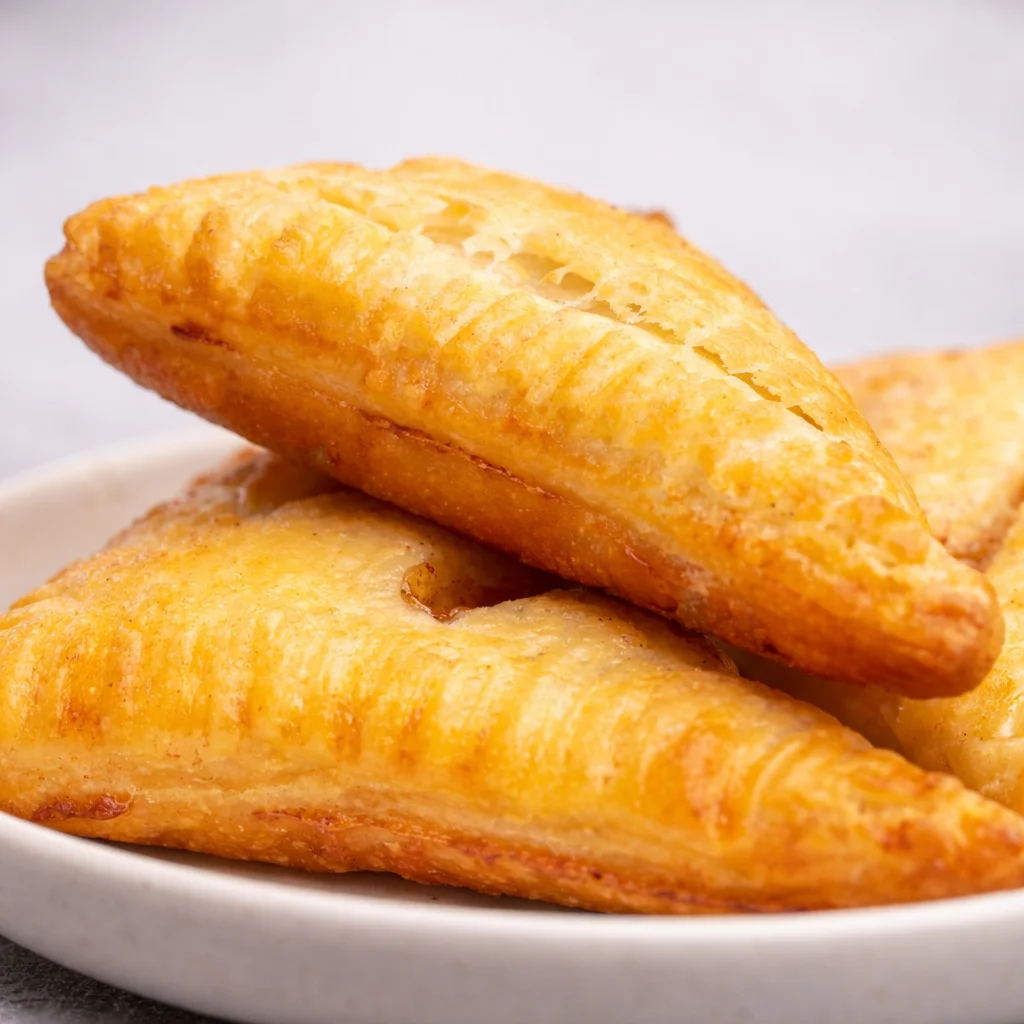
2) Simple fruit turnovers. Use jam or sautéed apples with cinnamon. Seal edges with a fork and bake until deeply golden.
3) Tart base. Roll it out, score a border, add goat cheese and veggies, bake until puffed and crisp.
4) Pot pie topping. This is my comfort move. Put a bubbly filling in a dish and lay pastry on top. Cut a few vents and bake.
5) Fancy little appetizer squares. Cut into squares, add a bit of smoked salmon or caramelized onions after baking, and suddenly you look like you planned a whole party spread.
If you want more gluten free inspiration beyond pastry, I keep a running collection of ideas here: gluten free recipes. It is where I go when I am bored of cooking the same stuff.
Common Questions
Can I freeze this dough?
Yes. Wrap it well, then freeze up to 2 months. Thaw overnight in the fridge before rolling.
Why is my pastry not puffing much?
Usually the butter got too warm or the dough was pressed too hard while rolling. Chill more often and keep butter pieces visible in the dough.
Can I make this without xanthan gum?
You can, but it is harder to roll and more likely to crack. If your flour blend does not include it, adding xanthan gum helps a lot.
How thick should I roll it?
For turnovers and tarts, aim for about 1/8 to 1/4 inch. If it is too thick, it can stay doughy in the middle.
Do I need to blind bake the base for a tart?
Not always. If your filling is very wet, a short pre bake of 8 to 10 minutes can help keep it crisp.
A sweet final note before you bake
If you have been nervous to try a gluten free puff pastry recipe, I hope this makes it feel totally doable. Keep it cold, take your time with the folds, and you will get that golden, flaky payoff. If you want to compare methods, these are genuinely helpful reads: Quick & Easy Gluten Free Puff Pastry – The Loopy Whisk, Gluten Free Puff Pastry Recipe – Flaky Layers Every Time, and Gluten Free Puff Pastry Recipe – so delicate! – gfJules. Now grab that butter, clear a little fridge space, and go make something that looks fancy but feels surprisingly easy.

Gluten Free Puff Pastry
Ingredients
Pastry Base
- 2.5 cups gluten free all purpose flour blend with xanthan gum
- 1 tablespoon sugar optional, great for savory items
- 1 teaspoon salt
- 1 cup cold unsalted butter, cut into chunks
- 3/4 cup cold water plus 1 to 2 tablespoons more if needed
- 1 teaspoon lemon juice or apple cider vinegar helps the dough feel more flexible
- Extra gluten free flour for dusting
Instructions
Preparation
- In a large bowl, whisk together the flour blend, sugar, and salt.
- Toss in the cold butter chunks and press them slightly flat to keep visible bits of butter.
- Stir in the cold water and lemon juice. Start with 3/4 cup of water.
- Mix until the dough looks shaggy and holds together. Add more water if needed.
- Pat the dough into a rough rectangle, wrap it, and chill in the refrigerator for 30 to 45 minutes.
Folding
- Lightly flour your surface and roll the dough into a rectangle about 1/2 inch thick.
- Fold the dough like a letter: bottom third up, top third down.
- Turn the dough 90 degrees and repeat the fold about 4 times total.
- If the dough starts sticking or the butter feels soft, chill for 15 minutes before continuing.
Final Chill and Baking
- Wrap and chill the dough for at least 30 minutes before using.
- Preheat the oven to 400°F, brush the pastry with egg wash for shine, and bake until golden, about 18 to 25 minutes.