Skip to content
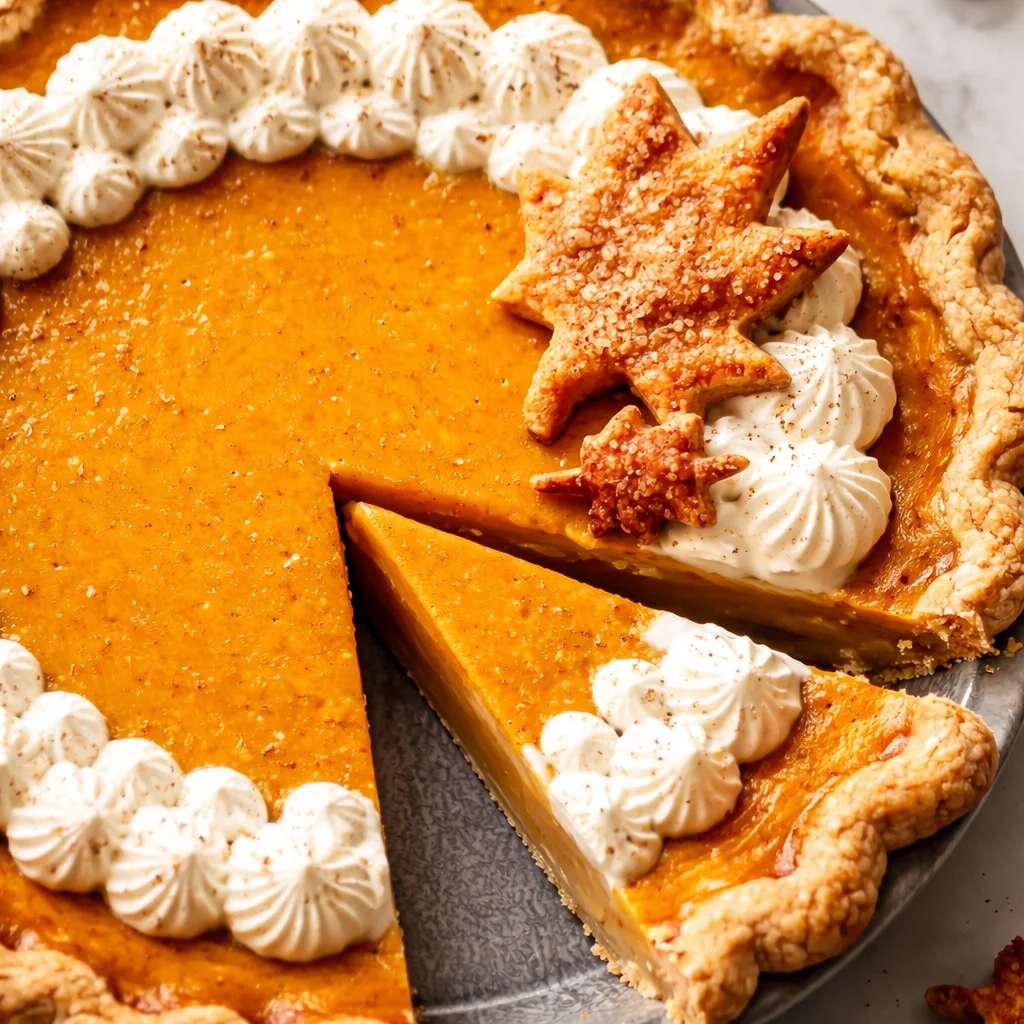
gluten free pie recipes are the thing I reach for when I want something cozy in the oven but I do not want to gamble on a crust that turns gritty or cracks the second I touch it. If you have ever stood in the kitchen holding a rolling pin and thinking, why does gluten free dough act like it has a grudge, you are not alone. I have had my share of broken edges and leaky fillings. The good news is that once you nail a reliable crust, you can make sweet pies, savory pies, and those random fridge cleanout pies that somehow taste amazing. Today I am sharing the way I make it work in real life, with the little tricks that make a big difference. 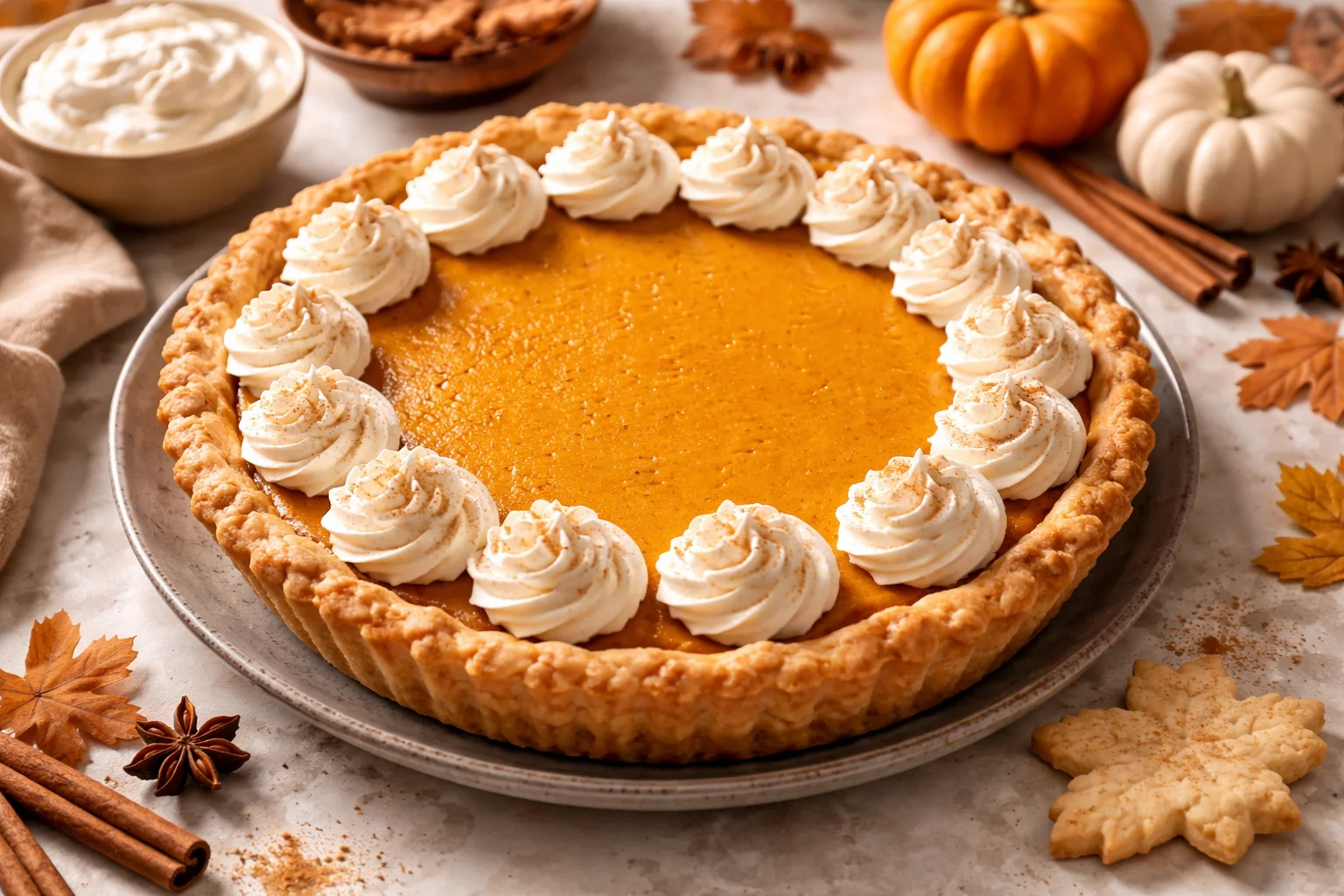
Recipe Highlights
If you are looking for gluten free pie recipes you will actually want to repeat, the biggest win is having a crust you trust. This is the crust style I make most often because it is forgiving and it bakes up **crisp on the edges** with a tender bite, not that sad crumbly texture that falls apart on the fork.
Here is what I love about this approach:
- Flexible for sweet or savory, so you do not need two different crust recipes.
- No weird ingredients required. If you can find a good gluten free flour blend, you are basically set.
- Make ahead friendly. You can chill the dough, or even freeze it, and bake later.
- Great for beginners because we are not trying to do anything fancy, just dependable and tasty.
And because I know you are here for ideas, these are my go to fillings that pair perfectly with this crust:
- Apple cinnamon with a squeeze of lemon
- Chicken pot pie style with peas and carrots
- Pumpkin with extra vanilla and a pinch of salt
- Berry mix with a little cornstarch and sugar
One more thing. If you are also looking for weeknight savory inspiration, I keep a running list of cozy meals in my dinner section. It is full of ideas that pair well with a slice of pie afterward. You can peek here: gluten free dinner recipes. 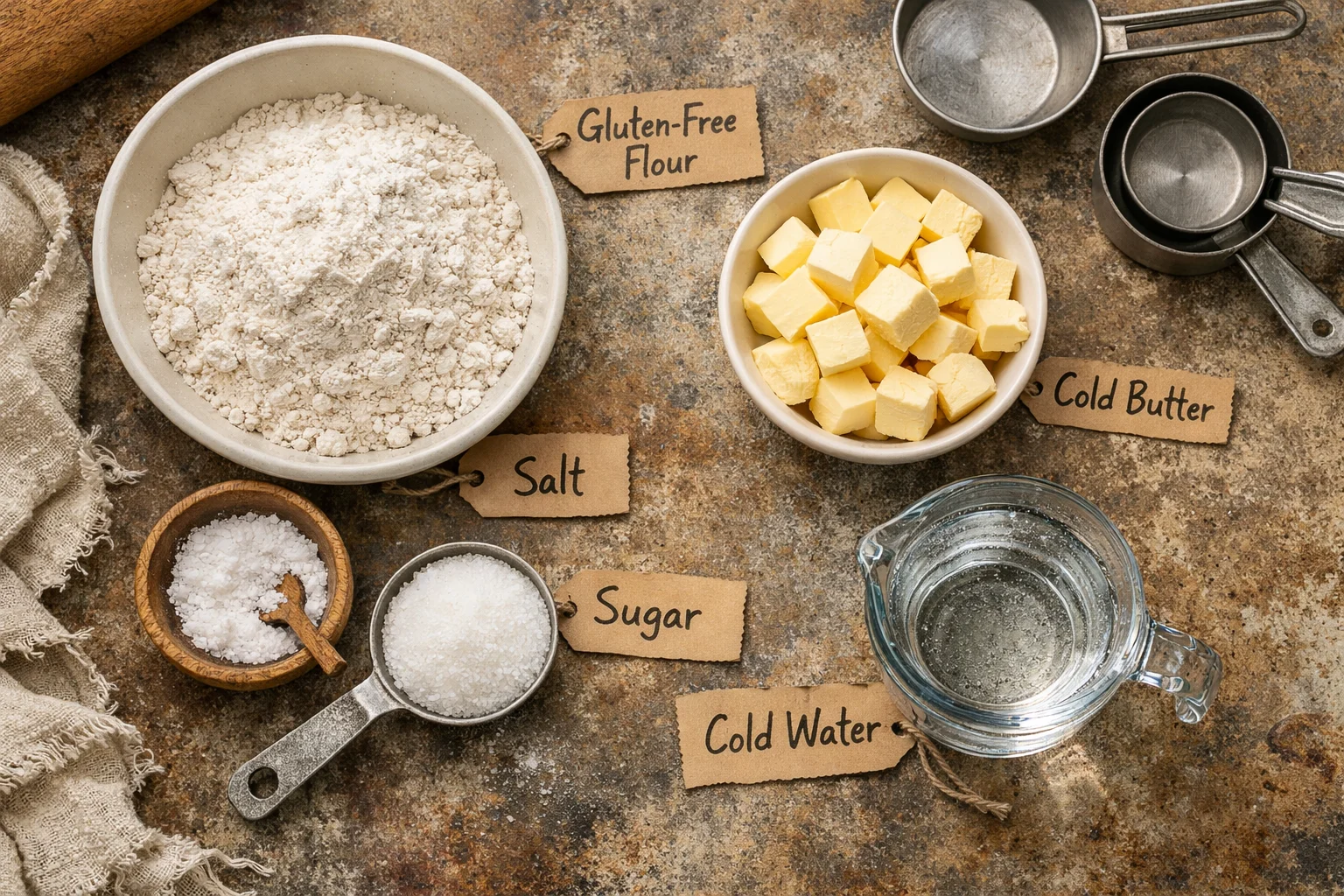
Essential Baking Equipment
You do not need a fancy kitchen to make gluten free pie recipes that taste bakery worthy. But there are a few tools that genuinely make the process less stressful, especially when the dough is a little delicate.
My short list of what you will need:
- Kitchen scale if you have one. Measuring by weight keeps gluten free flour from going too heavy.
- Mixing bowl and a sturdy spoon or spatula.
- Pastry cutter or just your fingertips for cutting butter into flour.
- Parchment paper. This is my best friend for rolling dough without tears.
- Rolling pin, basic is fine.
- 9 inch pie plate, glass or metal. Glass browns nicely, metal is quick and even.
If you want to go the extra mile, a cheap pie shield or a strip of foil around the edge helps keep the crust from getting too dark before the filling is done. Also, keep a small bowl of extra gluten free flour nearby for dusting, but do not go wild with it.
I keep my general baking staples and a few homemade favorites in my recipe hub too, so if you want to browse later, here is the main collection: recipes.
Troubleshooting The Dough
Let us talk about the part that usually makes people give up. Gluten free pie dough can be moody, but it is not impossible. Most of the time, the fix is simple.
Here is my basic crust method in plain language:
- Mix gluten free flour blend with salt and a little sugar if you are doing a sweet pie.
- Cut in cold butter until it looks like chunky sand, with some pea sized bits left.
- Add cold water one spoon at a time until the dough holds together when you squeeze it.
- Chill the dough for at least 30 minutes.
Now the real life problems and the quick solutions:
Why is my dough cracking when I roll it?
Usually it is too dry or too cold. Let it sit on the counter for 5 to 10 minutes, then roll it between parchment sheets. If it still cracks, sprinkle a teaspoon of cold water over the dough and gently knead it in.
Why is it sticky and hard to handle?
That can happen if your butter warmed up or you added a bit too much water. Chill it again. Also dust the parchment lightly with gluten free flour, not the dough itself.
Why does my crust taste gritty?
Some flour blends are naturally grainy. Letting the dough rest helps the flour hydrate. Also, choose a blend that is meant for baking and includes a starch like tapioca or potato.
One time I brought a berry pie to a family get together and I was quietly nervous because it was gluten free. My uncle took one bite and went back for a second slice before I even said anything. Later he told me he liked it because the crust was crisp and not heavy.
“I honestly did not know it was gluten free until you told me. The crust had that real pie crunch on the edge.”
If you are still experimenting and want more options for dough styles, it can help to compare approaches and see what matches your taste. You will notice different fat ratios and flour blends can change everything, even if the steps look similar.
Flute Pie Crust Edges Like A Pro
Fluting looks fancy, but it is really just a pattern you repeat. And yes, you can do it with gluten free dough. The trick is to build your edge thick enough to work with.
This is how I do it without overthinking:
- Once the dough is in the pie plate, trim it so you have about a half inch overhang.
- Fold the overhang under itself so the rim is thicker.
- Pinch the edge between your thumb and index finger on one hand.
- Use the index finger of your other hand to press gently between the pinches.
If the dough starts to crumble, pause and chill the whole pie for 10 minutes. Cold dough behaves better. If it is already in the plate, you can still chill it. Do not be afraid of patching either. Gluten free crust is super patch friendly. Press in a small piece, smooth it with your finger, and move on.
Also, if you want a super easy cheat, use a fork to crimp the edges. It is cute in a homey way and it seals the rim nicely for custard pies.
;
One more little tip: if you are baking a single crust pie, poke a few holes in the bottom with a fork and chill it before baking. That helps prevent puffing.
How I Use This Pie Crust
Once you have a crust you like, gluten free pie recipes stop feeling like a project and start feeling like a treat. Here are my favorite ways to use this exact crust, and what I watch for each time.
Sweet pies I make on repeat
Apple pie is the classic, but I also love a quick mixed berry pie. For juicy fruit pies, I always add a thickener so the filling sets instead of flooding the slice. Cornstarch works, or tapioca starch if you like a glossy filling.
For pumpkin or any custard style pie, I partially bake the crust first. Nothing ruins your day like a soggy bottom. Ten minutes in a hot oven, then cool it a bit, then pour in filling.
Savory pies when I want dinner to feel cozy
My chicken pot pie version is basically leftover chicken, a handful of frozen veggies, and a creamy sauce. I bake it until the top is deep golden. If you like baking projects, you could do a double crust. If you want easy, do a single crust and add biscuit style topping, but that is a different vibe.
And if you are into baking beyond pies, I keep a whole section for bread experiments too. It is nice to have a few go to recipes when you are eating gluten free. Here it is: gluten free bread.
The main thing I have learned is this: do not chase perfection. Aim for a crust that tastes good and holds together. The pretty details come with practice, and nobody complains when pie is on the table.
Common Questions
Can I make the dough ahead of time?
Yes. Wrap it tightly and chill it up to 2 days. For longer storage, freeze it and thaw overnight in the fridge.
Do I need xanthan gum?
It depends on your flour blend. Some blends already include it. If yours does not, adding a small amount can help the dough hold together, but too much can make it a bit gummy.
How do I keep the crust from browning too fast?
Use foil around the edges after the first 15 to 20 minutes of baking. You can also move the pie to a lower oven rack if the top is getting too dark.
Why is my bottom crust soggy?
Try chilling the assembled pie before baking, and for custard pies, par bake the crust. Also make sure your oven is fully preheated.
Can I use this crust for hand pies?
Absolutely. Roll it a little thicker, keep the filling modest, and seal the edges well. Chill the hand pies before baking so they hold their shape.
My final nudge to get a pie in the oven
If you have been craving a homemade dessert or a cozy dinner, gluten free pie recipes are totally doable once you learn a few dough tricks and keep your tools simple. Focus on cold butter, gentle handling, and letting the dough rest so it is easier to roll. If you want more crust inspiration, I like comparing notes with solid guides like The Best Gluten-Free Pie Crust Recipe, and I bookmark creative filling ideas from Gluten-Free Pies and Tarts – Snixy Kitchen plus the variety in Gluten Free Pie & Pastry Recipes Archives. Pick one pie to start with, keep it relaxed, and remember you can patch almost anything with dough and a light press of your fingers. Bake it, let it cool a bit, and cut yourself a real slice. You have earned it.

Gluten Free Pie Crust
Ingredients
Crust Ingredients
- 2 cups gluten free flour blend A blend suitable for baking is recommended.
- 1/2 teaspoon salt For savory pies, adjust to taste.
- 1 tablespoon sugar Omit for savory pies.
- 1/2 cup cold butter Cut into the flour until chunky.
- 4-6 tablespoons cold water Add gradually until dough holds together.
Instructions
Preparation
- Mix the gluten free flour blend with salt and sugar in a mixing bowl.
- Cut in the cold butter until the mixture resembles chunky sand, with some pea-sized bits remaining.
- Add cold water one tablespoon at a time until the dough holds together when squeezed.
- Chill the dough for at least 30 minutes before rolling.
Baking
- Preheat the oven to 375°F (190°C).
- Roll the chilled dough between parchment sheets to avoid sticking.
- Transfer the rolled dough into a 9-inch pie plate, leaving a half inch overhang.
- Fold the overhang under itself to make a thicker rim.
- Flute the edges between your fingers or use a fork to crimp.
- Poke holes in the bottom with a fork and chill before baking to prevent puffing.
- Partially bake for 10 minutes if using a custard filling.