Skip to content
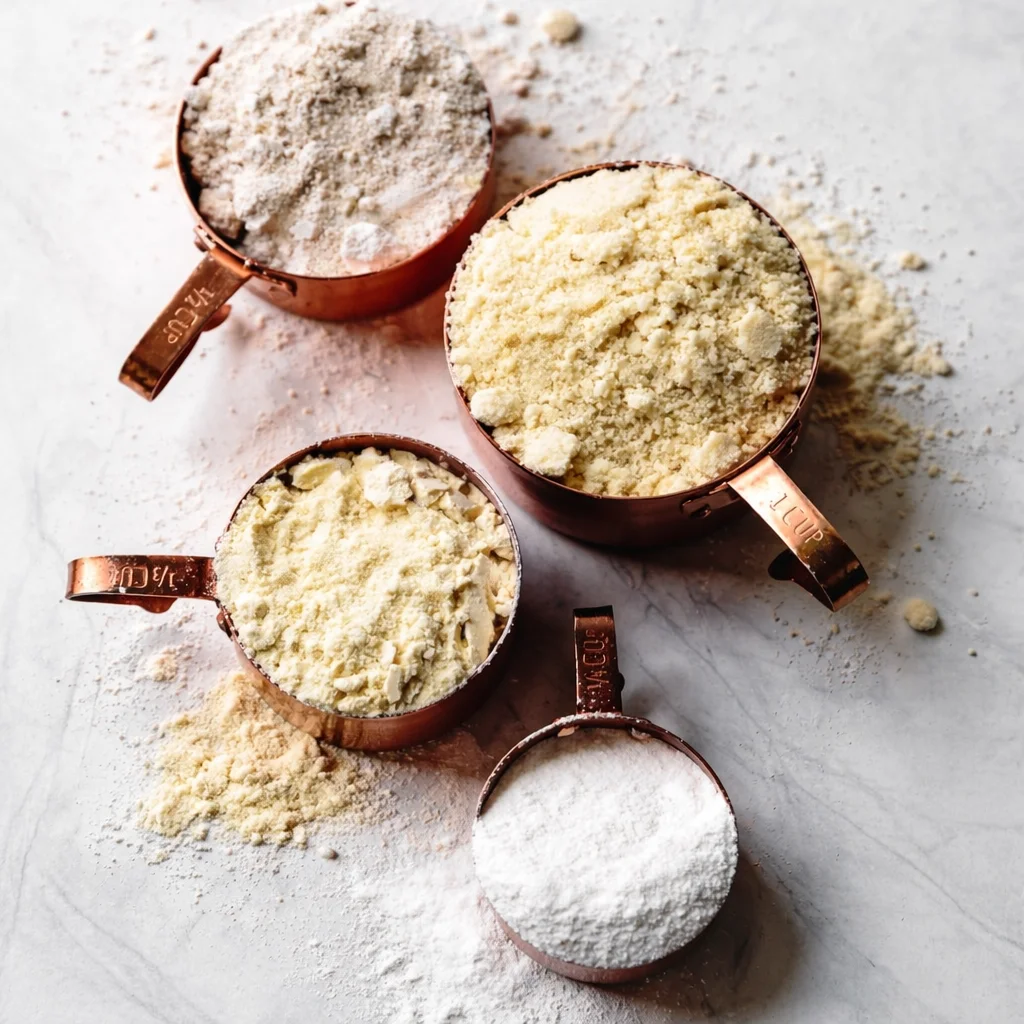
gluten free flour recipes can feel like a tiny gamble, right? You buy a bag of flour that promises fluffy pancakes and chewy cookies, and then you end up with something that tastes like sand or crumbles if you look at it wrong. I have been there, and I got so annoyed that I started actually paying attention to what worked and what totally didn’t. The good news is that once you find a flour blend you trust, baking gets fun again. Today I am sharing the blends I keep in my pantry, why some mixes fail, how to make your own, and a few easy bakes that help you build confidence fast. 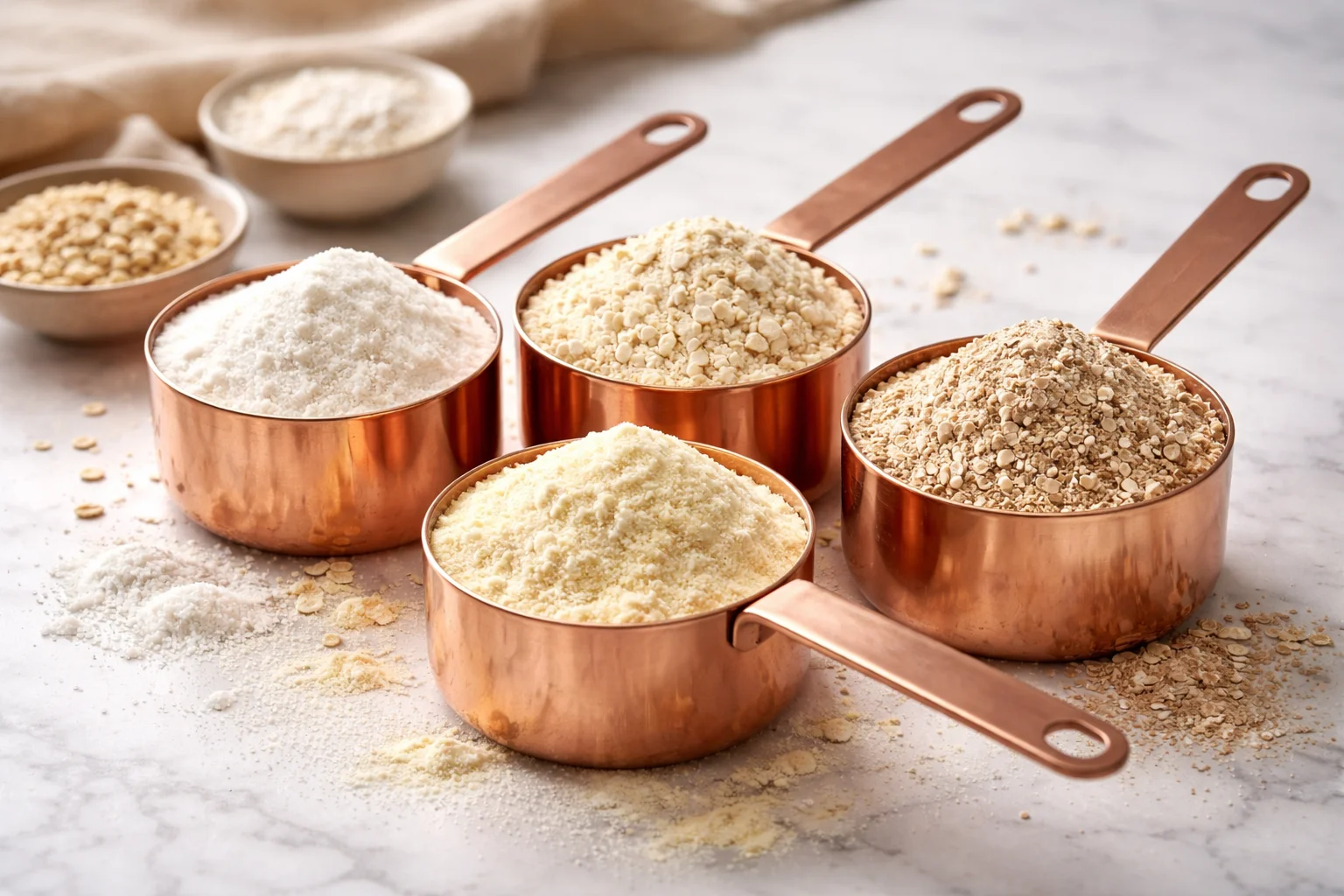
The best store-bought gf flour blends
If you are new to gluten free baking, I honestly think a good store blend is the easiest way to start. It cuts out a lot of guesswork, and you can focus on getting the cookie or muffin right instead of playing kitchen scientist. Here are the ones I reach for most often, plus what I like using them for.
My go to blends and what they do best
- King Arthur Measure for Measure: Super reliable for cookies, muffins, quick breads, and even simple cakes. It browns nicely and does not taste gritty.
- Bob’s Red Mill 1 to 1 Baking Flour: Great all around choice. I like it in pancakes and banana bread. It can be a little delicate, so let things cool before slicing.
- Cup4Cup: Makes baked goods that feel more like classic bakery style treats. It is richer and tender, but check the label if you avoid dairy because some versions include milk powder.
- Better Batter: A favorite for people who want a more bread friendly feel. It has a nice structure for things like rolls.
One quick tip that saved me a lot of frustration: even if the bag says 1 to 1, start by making a smaller batch the first time. Different blends drink up liquid differently, and it is easier to adjust when you are only making a dozen cookies instead of a whole sheet pan situation.
Also, if you are on a bread kick, bookmark this section for later: gluten-free bread ideas. It is really handy when you want to practice with doughs that need a little more structure.
Why most blends fail
Let’s talk about why some gluten free flour blends give you sad results. It is not you. It is usually the blend. Gluten is a real workhorse in baking, and when it is gone, the flour mix has to make up for it in a smart way.
The biggest reason blends fail is balance. You need a mix of starches for softness and browning, and whole grain flours for flavor and body. Too much starch and your muffins might look great but collapse or turn gummy. Too much grain flour and you get dense, dry, gritty bites.
Another common issue is skipping a binder. Many 1 to 1 blends already include xanthan gum or similar binders. If you pick a blend without one, cookies can spread like crazy and cakes can crumble. On the flip side, too much binder can make your baked goods weirdly stretchy, like a bad sandwich bread flashback.
One more sneaky problem: people treat gluten free batter like wheat batter. Gluten free baking usually needs a short rest. Even 10 minutes can help the flour hydrate, which reduces grittiness and helps the structure. I used to ignore this and then wonder why my pancakes tasted like raw rice flour. Letting it sit was a game changer.
“I tried your tip about resting the batter and my muffins finally stopped crumbling. I honestly thought gluten free baking just meant dry baking forever.”
How to make your own flour blend
If you bake often, making your own blend is worth it. It is cheaper in the long run, and you can tweak it to match the texture you like. Plus, when you find your perfect mix, you stop buying random bags that collect dust in the pantry.
Here is my simple everyday homemade style mix. It is not fancy, but it is dependable for a lot of gluten free flour recipes, especially cookies, muffins, and snack cakes.
My simple DIY all purpose blend
- 2 cups rice flour (white or a mix of white and brown)
- 1 cup potato starch (not potato flour)
- 1 cup tapioca starch
- Optional: 1 to 1 and a half teaspoons xanthan gum per 4 cups blend, depending on what you are baking
How I use it: I whisk everything really well in a big bowl, then store it in a container with a tight lid. Label it, because you will forget what it is in two weeks, I promise. When I bake cakes or muffins, I usually add the xanthan gum. For cookies, I add less or none if the recipe already has an extra egg.
Practical tips from my own mess ups:
Weigh your flour if you can. Gluten free measuring by cups can be unpredictable because some flours pack down more than others. If you do use cups, spoon it in lightly and level it off.
Keep starches fresh. Tapioca and potato starch can pick up pantry smells if not sealed well. A tight container keeps the blend tasting clean.
If you want a more detailed deep dive into the why behind different flour choices, this is a great reference: more gluten free recipe ideas are fun to browse when you are testing your blend in different baked goods.
Ready to bake? Start with these 5 beginner-friendly recipes
When someone tells me they are overwhelmed, I always say: pick one flour blend and make the same few things until they feel easy. These five are my confidence builders. They are forgiving, they taste good, and they teach you how your flour behaves.
1. Banana muffins
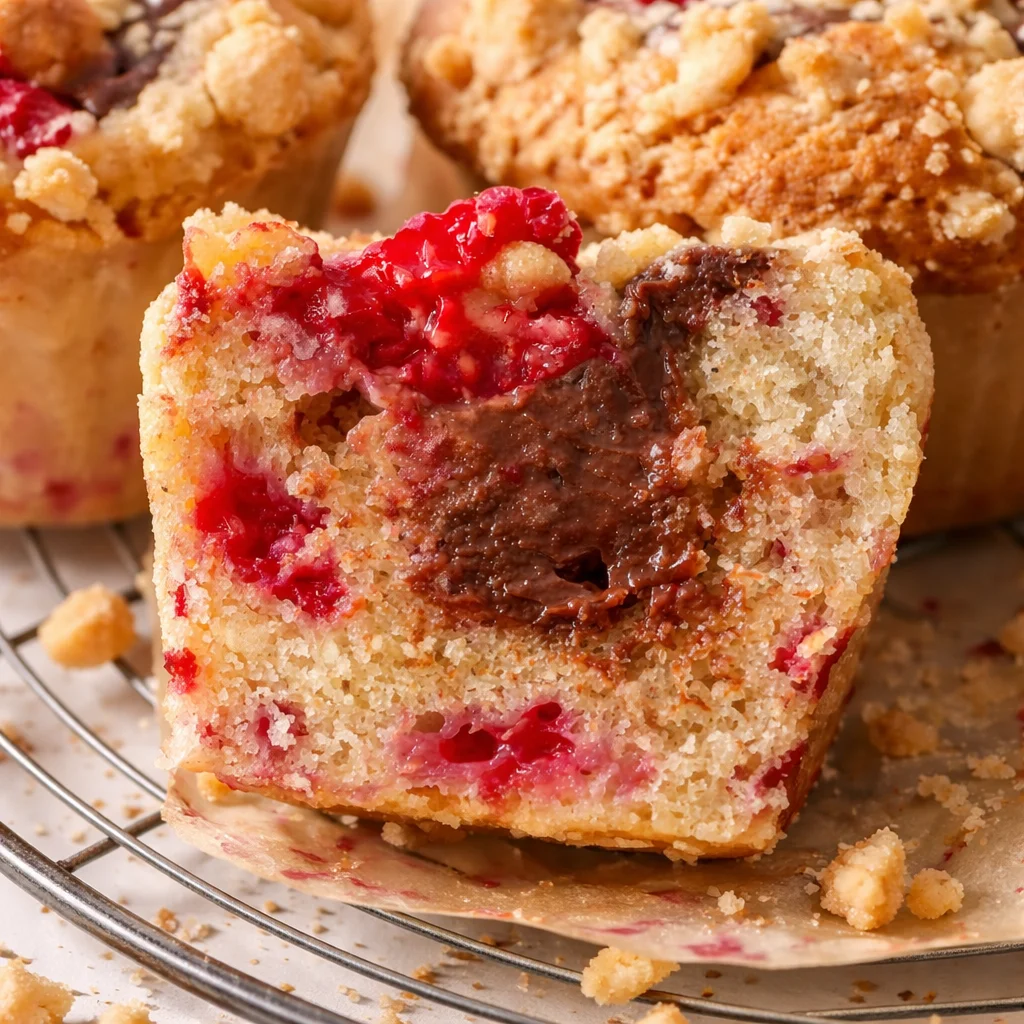
Use very ripe bananas and do not overbake. Let them cool before you judge them. Gluten free muffins can seem soft at first and then set up as they cool.
2. Sheet pan brownies
Brownies are a safe place to start because they do not need a big rise. Use a little extra cocoa for flavor and bake until the center is just set.
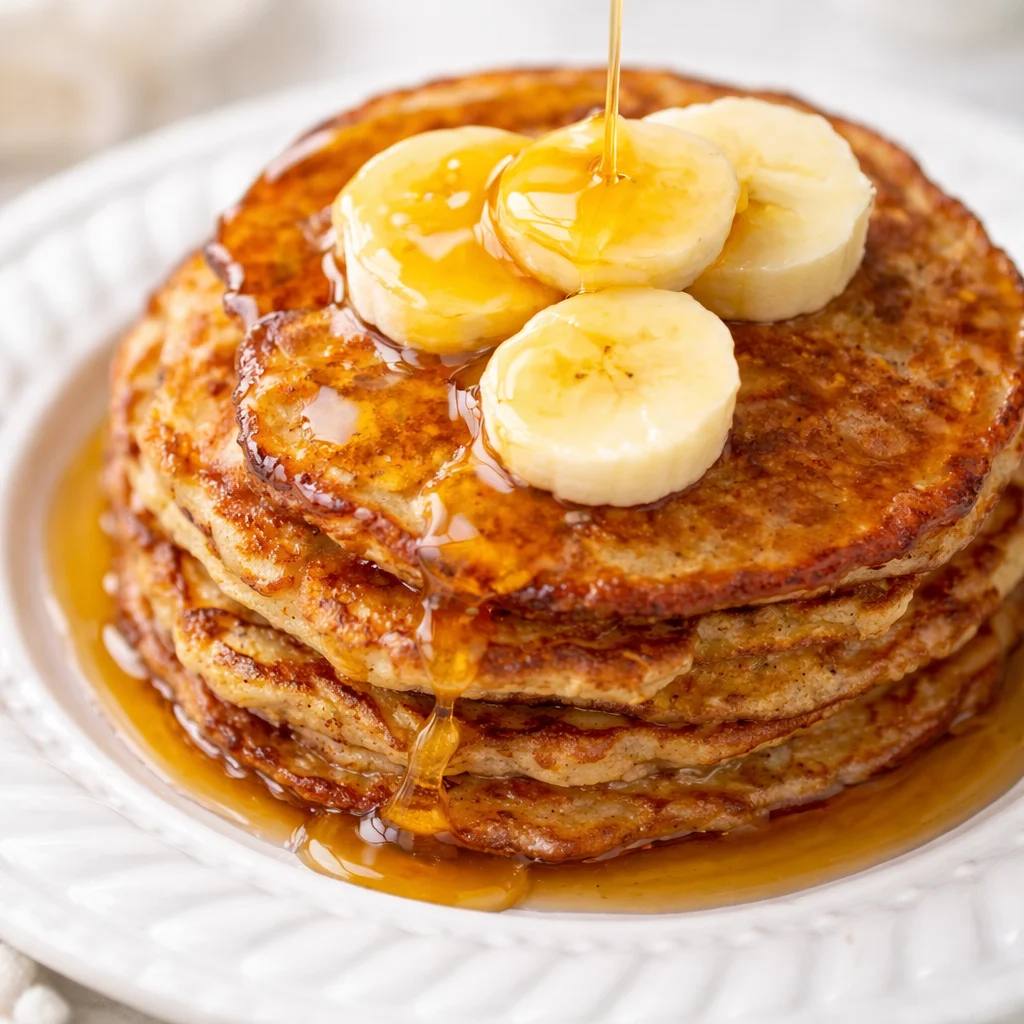
3. Simple pancakes or waffles
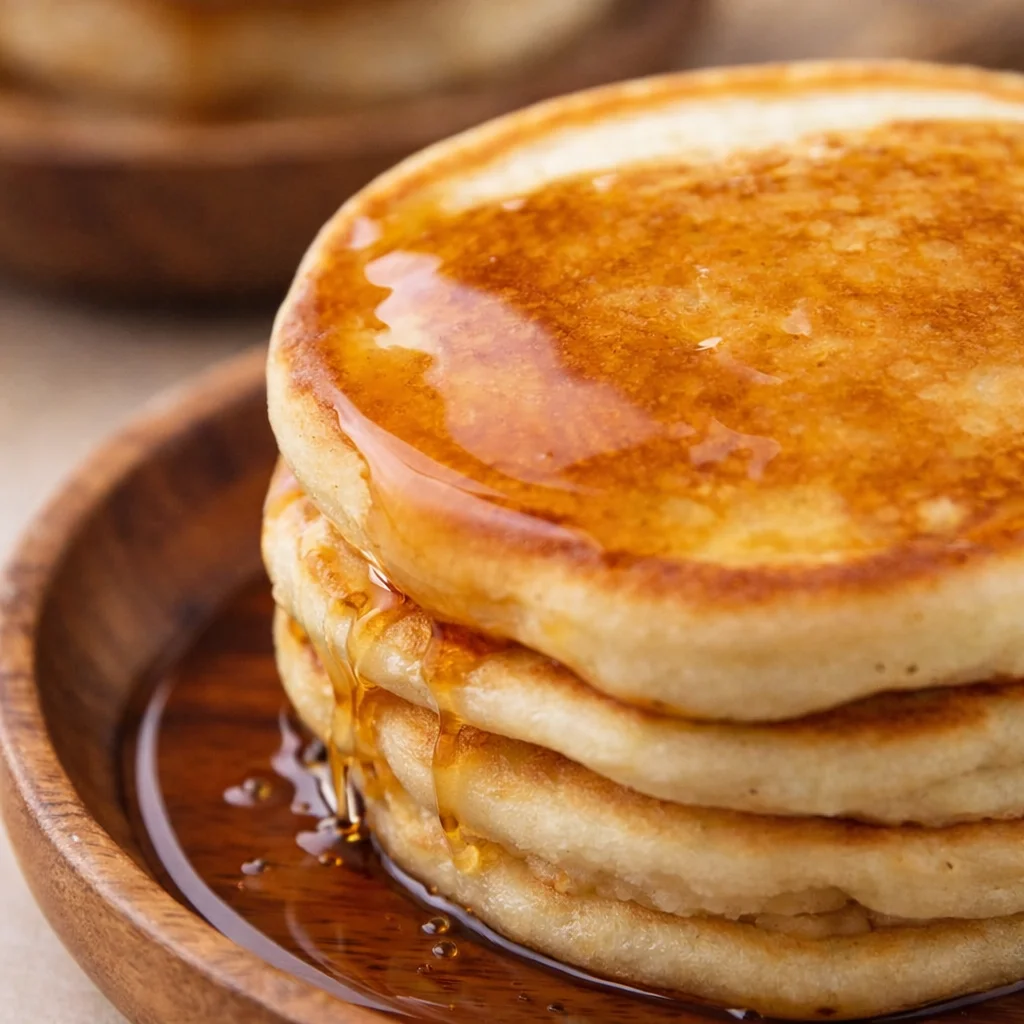
Let the batter rest for 10 minutes. It makes a huge difference in texture. If the batter thickens a lot, add a splash of milk.
4. Lemon loaf
A quick bread loaf teaches you about bake time and moisture. Add yogurt or sour cream for tenderness and do not slice until it is fully cool.
5. No fuss pizza crust
This is where you learn about binders and structure. Look for recipes that use a mix of flour, yeast, and a binder. If you want dinner ideas that are naturally gluten free too, this category is helpful: gluten free dinner recipes.
My biggest practical rule across all of these: if your first batch is a little off, adjust one thing at a time. Add 1 tablespoon more liquid, or rest the batter longer, or bake 3 minutes less. Tiny changes matter a lot in gluten free baking.
Gluten Free Chocolate Chip Cookies
Okay, this is the recipe everyone asks me for. I have made it on sleepy weekends, for school events, and for those nights when you just need something warm and sweet. The goal here is a cookie that is crisp around the edges, soft in the middle, and not even slightly sad.
What you will need
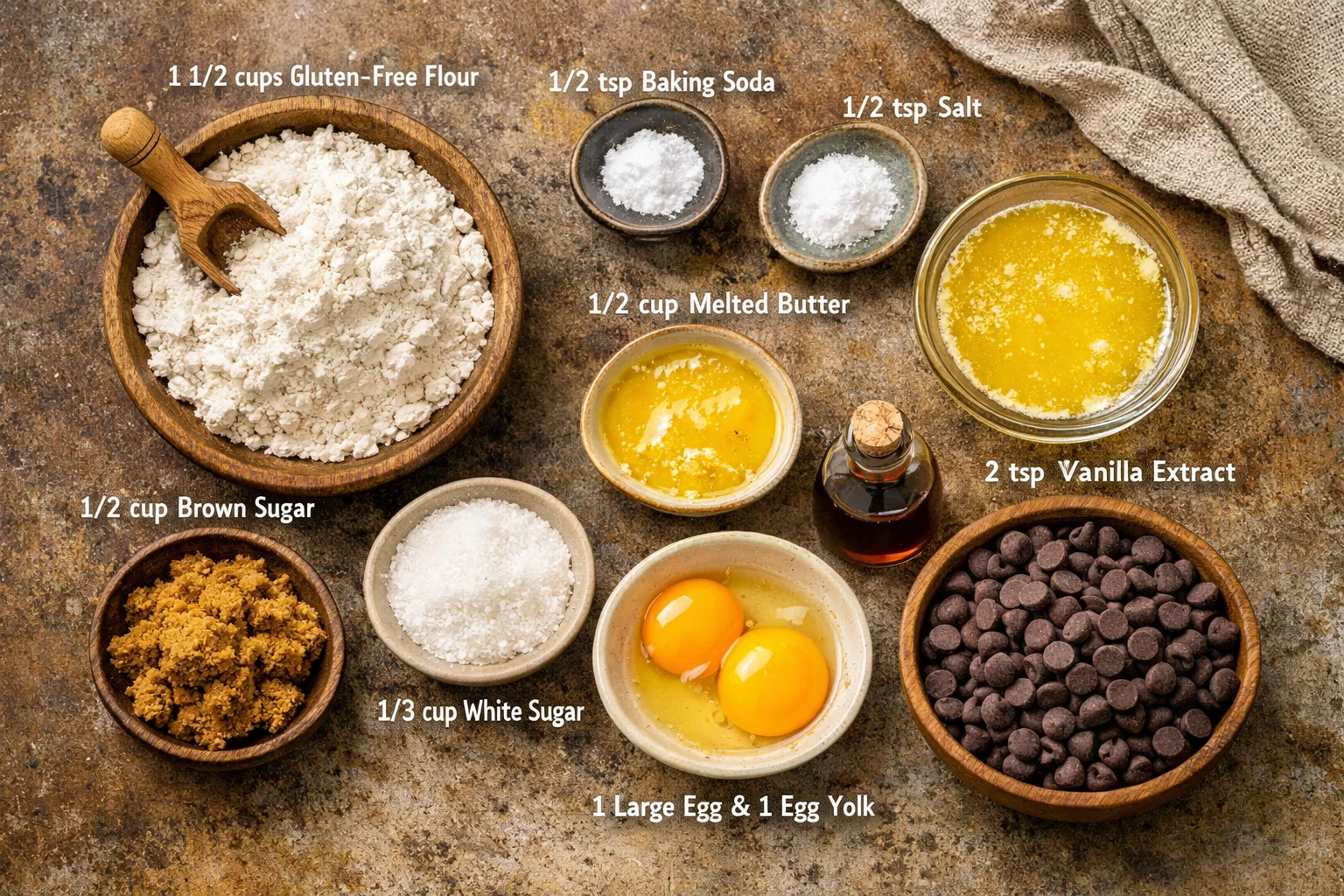
- 1 and 1/2 cups gluten free flour blend (with xanthan gum, or add 1/2 teaspoon if yours does not include it)
- 1/2 teaspoon baking soda
- 1/2 teaspoon fine salt
- 1/2 cup melted butter (cooled a bit) or dairy free butter
- 1/2 cup brown sugar
- 1/3 cup white sugar
- 1 large egg plus 1 egg yolk
- 2 teaspoons vanilla extract
- 1 and 1/4 cups chocolate chips
Directions
1. Heat your oven to 350 F and line a baking sheet with parchment paper.
2. In a bowl, mix the flour, baking soda, and salt.
3. In another bowl, stir the melted butter, brown sugar, and white sugar until smooth.
4. Mix in the egg, egg yolk, and vanilla. It should look glossy and a little thick.
5. Add the dry ingredients and stir just until you do not see dry flour spots.
6. Fold in the chocolate chips.
7. Let the dough rest for 15 minutes. This helps the flour hydrate and improves texture.
8. Scoop into mounds and bake for 10 to 12 minutes. Pull them when the edges look set but the centers still look slightly underdone.
9. Let them cool on the pan for 10 minutes before moving them. They firm up as they cool.
My best cookie fixes if something goes wrong
If they spread too much, chill the dough 30 minutes or add 1 to 2 tablespoons more flour blend. If they are dry, bake a minute less next time and make sure you measured flour lightly. If they taste bland, add a tiny extra pinch of salt and use a good vanilla. These little tweaks are why I keep making gluten free flour recipes at home instead of giving up and buying expensive cookies.
Common Questions
Can I swap one gluten free flour blend for another?
Usually yes for cookies and muffins, but expect small differences. Some blends absorb more liquid. If batter looks too thick, add a splash of milk.
Do I always need xanthan gum?
Not always. Many blends include it. For cookies, you can often get away with less. For cakes and breads, a binder helps a lot.
Why do my baked goods taste gritty?
Rice flour can taste gritty if it does not hydrate. Rest batters 10 to 20 minutes and make sure you are using a blend meant for baking, not straight rice flour alone.
How do I store gluten free flour?
A sealed container in a cool pantry is fine for short term. For longer storage, keep it in the fridge or freezer to stay fresh.
Are gluten free flour recipes healthier?
Not automatically. Some are, some are basically the same as regular treats, just made without gluten. Focus on what makes you feel good and what fits your needs.
Alright, go bake something
If you take one thing from this post, let it be this: pick a blend you like, learn how it behaves, and keep it simple at first. The right flour makes all the difference, and once you get comfortable, gluten free flour recipes stop feeling intimidating. If you want more inspiration, I loved browsing 20 Recipes using King Arthur Gluten-Free Flour | Chef Janet and comparing notes with my own batches. And if you are ready to experiment with mixing your own, Homemade Gluten Free Flour Blend – The Loopy Whisk is a super helpful guide, plus Gluten Free Flour Blends That Actually Work is great when you want to see what different blends are best at. Now go make those chocolate chip cookies, and do not forget to save a couple for later.

Gluten Free Chocolate Chip Cookies
Ingredients
Main ingredients
- 1.5 cups gluten free flour blend with xanthan gum, or add 1/2 teaspoon if yours does not include it
- 0.5 teaspoon baking soda
- 0.5 teaspoon fine salt
- 0.5 cups melted butter cooled a bit or use dairy free butter
- 0.5 cups brown sugar
- 1/3 cups white sugar
- 1 large egg plus 1 egg yolk
- 2 teaspoons vanilla extract
- 1.25 cups chocolate chips
Instructions
Preparation
- Heat your oven to 350 F and line a baking sheet with parchment paper.
- In a bowl, mix the gluten free flour blend, baking soda, and salt.
- In another bowl, stir the melted butter, brown sugar, and white sugar until smooth.
- Mix in the egg, egg yolk, and vanilla until it looks glossy and a little thick.
- Add the dry ingredients and stir just until you do not see dry flour spots.
- Fold in the chocolate chips.
- Let the dough rest for 15 minutes to help the flour hydrate and improve texture.
- Scoop the dough into mounds and bake for 10 to 12 minutes, pulling them when the edges look set but the centers still look slightly underdone.
- Let them cool on the pan for 10 minutes before moving them.