Skip to content
gluten free pasta recipes saved my dinner routine when I realized regular pasta was not loving me back. I still wanted that cozy bowl of noodles after a long day, but I needed options that felt just as comforting. After a lot of testing (and a few mushy disasters), I found a bunch of meals that actually taste great and hold up on a busy weeknight. If you are new to gluten free pasta, don’t worry, it gets easy fast once you know a few tricks. Let me walk you through the dishes I keep coming back to, plus my favorite way to make pasta at home when I have a little extra time. 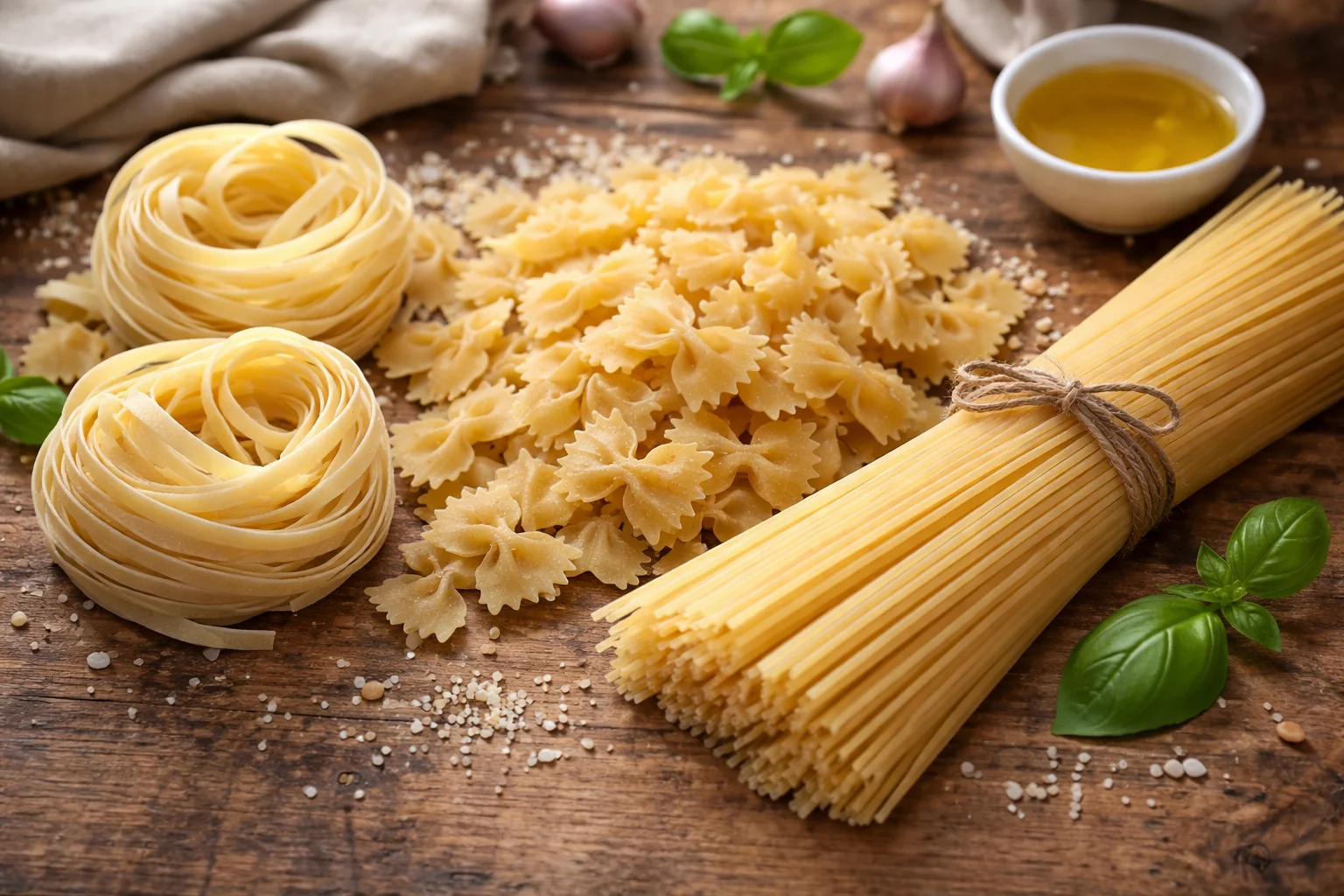
15 Amazing Gluten Free Pasta Dishes
If you ever stare at a box of gluten free pasta and think, “Okay but what do I do with this,” this list is for you. I’m mixing quick classics with a few “wow” meals that still stay simple. The main thing I look for is big flavor and a sauce that clings well, because gluten free noodles can be a little more delicate.
Here are 15 dishes I honestly make on repeat:
- Garlic butter parmesan noodles with a squeeze of lemon and black pepper
- Creamy tomato basil pasta using canned tomatoes plus a splash of cream
- Pesto chicken pasta with store bought pesto to keep it easy
- Sausage and peppers pasta with a simple olive oil pan sauce
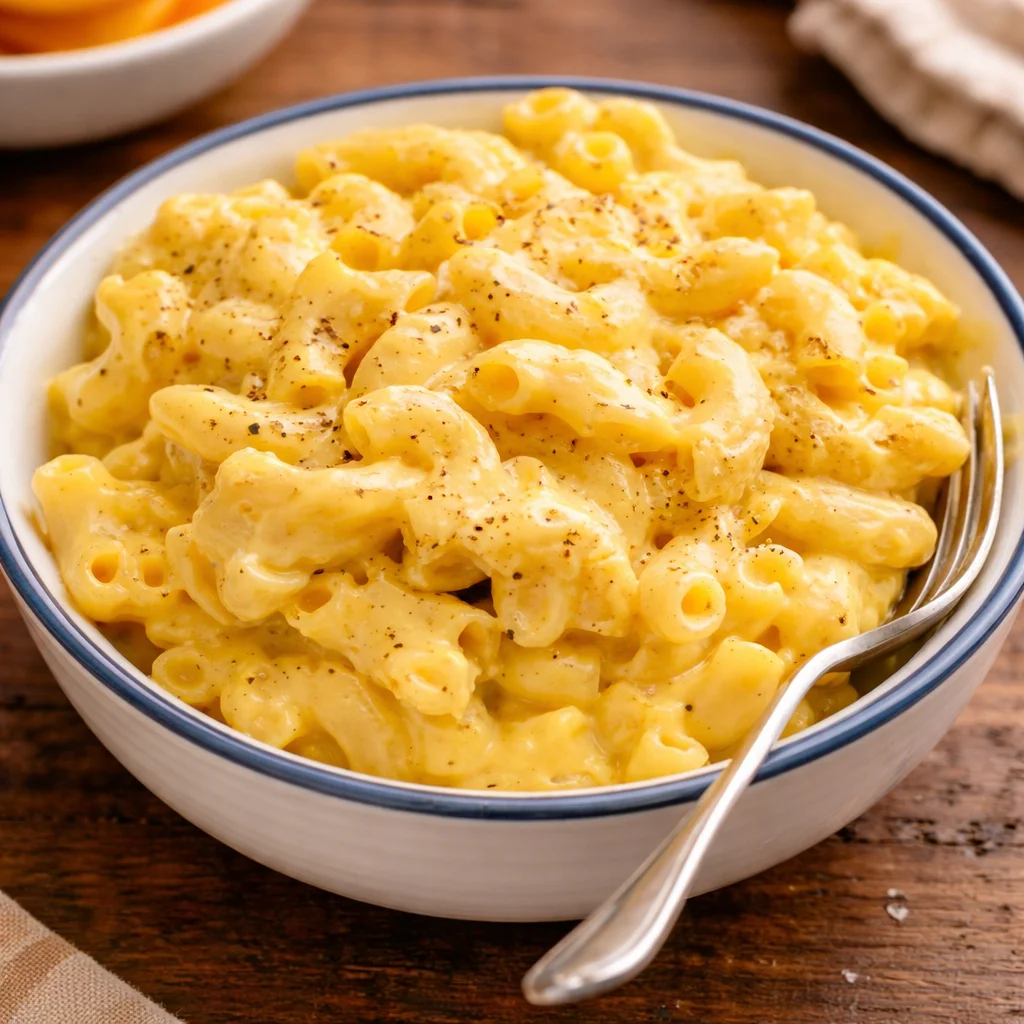
- Gluten free mac and cheese with sharp cheddar and a little mustard
- One pot taco pasta with salsa and shredded cheese
- Spicy shrimp marinara with chili flakes and extra garlic
- Roasted veggie pasta with zucchini, onions, and cherry tomatoes
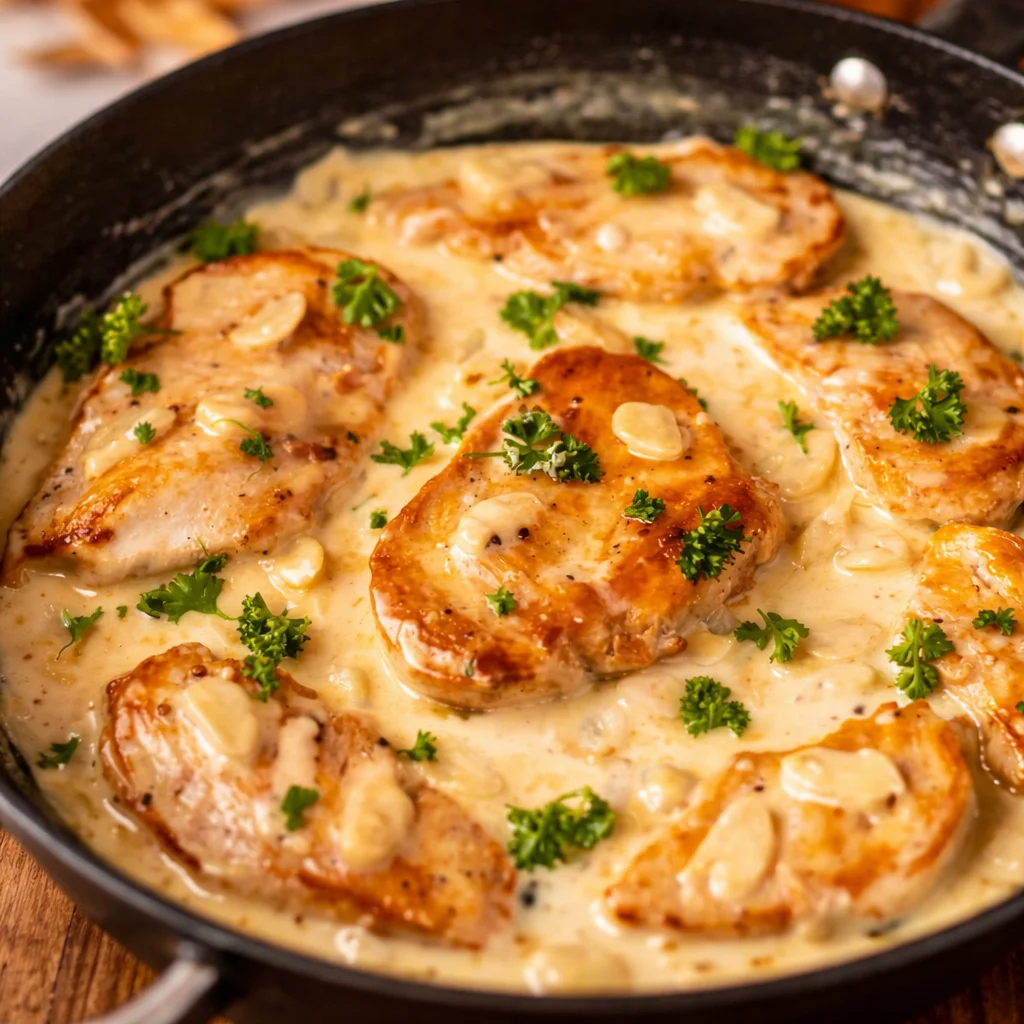
- Alfredo style pasta made with butter, cream, parmesan, and patience
- Cold pasta salad with olives, cucumbers, feta, and a zippy dressing
- Baked ziti with ricotta and mozzarella for that bubbly top
- Broccoli cheddar pasta that feels like comfort food in a bowl
- Tuna lemon caper pasta for those nights you want pantry magic
- Thai inspired peanut noodles with peanut butter and soy sauce substitute
- Lasagna soup with broken noodles and a big spoon of ricotta
I’m not saying every gluten free pasta brand works the same, because it doesn’t. But once you find one you like, these meals are ridiculously doable. And if you want a simple starting point, try the creamy tomato basil one. It covers up any “new pasta texture” vibes and tastes like a warm hug.
Quick tip: if you are cooking for someone who eats gluten, don’t announce it like it is a science project. Just serve it. Most people won’t even notice if the sauce is good.
Love gluten free Italian recipes? Here are a few more to try!
I grew up thinking Italian food meant big bowls of pasta and extra bread on the side. Going gluten free can feel like you are losing a whole category of comfort food, but you are not. You just need a few swaps that still hit the same notes: garlic, herbs, tomatoes, cheese, and that slow simmered taste.
My favorite “Italian night” lineup
When I want a full dinner that feels like a treat, I do this:
- Starter: simple salad with olive oil, vinegar, salt, pepper, and shaved parmesan
- Main: gluten free pasta with marinara plus a handful of fresh basil
- Extra: roasted broccoli or green beans with garlic
- Something fun: a spoon of ricotta on top of the pasta, trust me
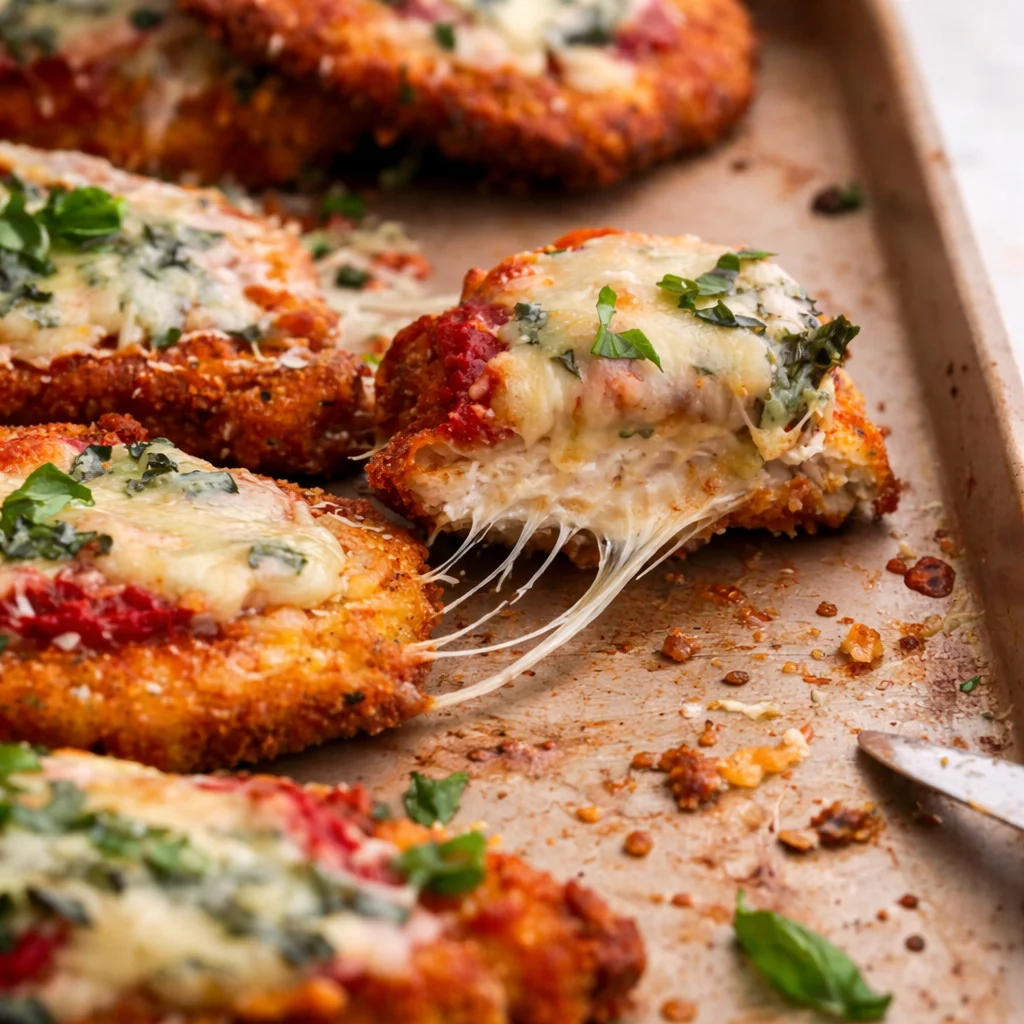
Also, if you miss chicken parmesan, you can still do it. Use gluten free crumbs or even crushed rice cereal for the coating. Bake it until crisp, then top it with sauce and cheese. Serve it over spaghetti style noodles and you will feel extremely proud of yourself.
“I made your baked ziti with gluten free noodles for my family and nobody complained, which is basically a five star review in my house.”
Ingredient check: if you are sensitive, always look at labels for sauces, broths, spice blends, and pre shredded cheese. Gluten can sneak into thickeners or anti caking agents in certain products.
Gluten Free Fresh Pasta Noodles
Fresh pasta sounds fancy, but it can be surprisingly chill once you do it once. The first time I tried, I was nervous it would crumble and make me angry. It did crumble a little. Then I learned that gluten free dough needs a short rest and a gentle touch, and suddenly it was fun.
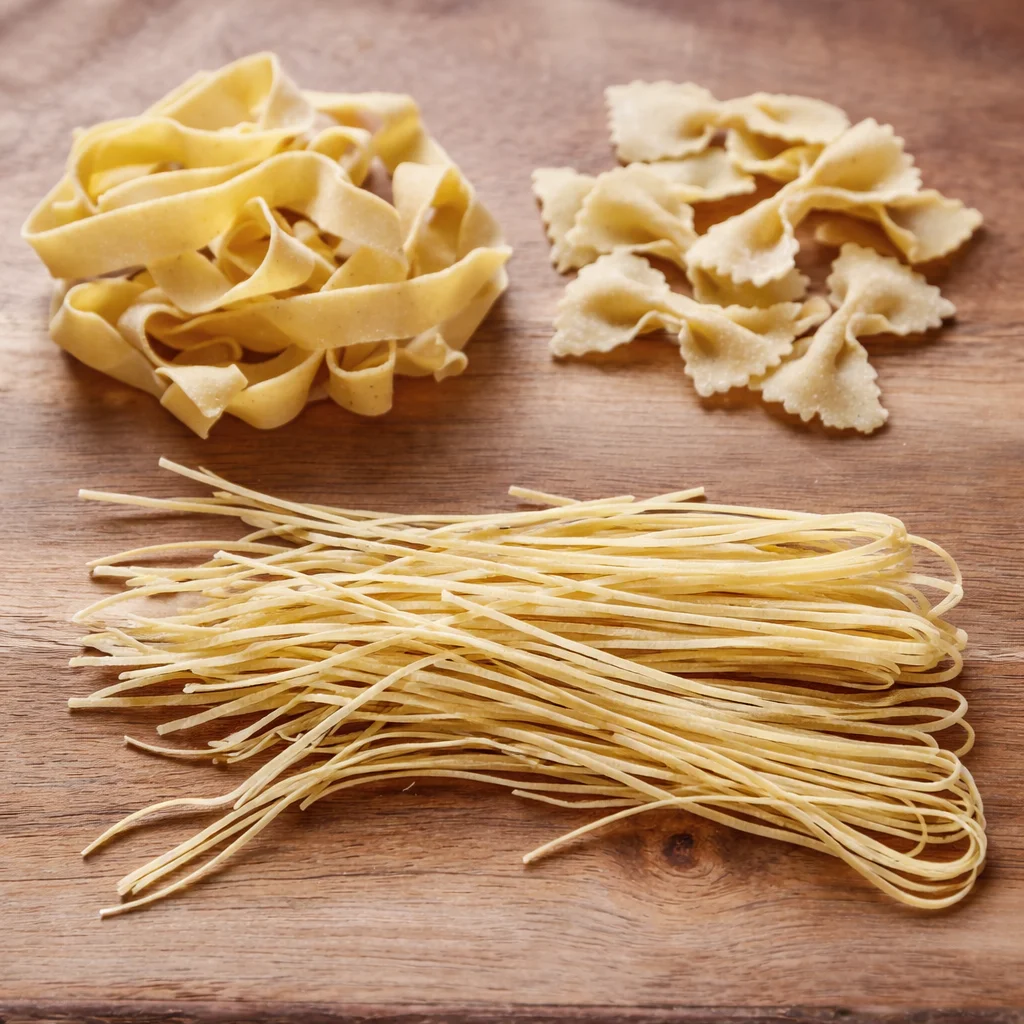
What fresh gluten free noodles are like
They are tender, a little more delicate than wheat pasta, and honestly kind of special. Fresh noodles also cook faster, which is great when you are hungry and impatient (me, always).
What I like to do is make fresh noodles for a weekend dinner, then go back to boxed pasta during the week. That mix keeps life realistic.
Best sauces for fresh noodles: butter and herbs, simple marinara, creamy sauces, or a light olive oil garlic situation. Super watery sauces can make the noodles feel too soft.
And yes, you can freeze them. I freeze little nests on a tray, then move them to a bag once firm. Cook straight from frozen and don’t overthink it.
Tips for Cooking Gluten Free Pasta
This is the part I wish someone had told me earlier. Gluten free pasta is great, but it has a different personality. A few small habits make a huge difference in texture.
My no stress rules that actually work
1) Salt your water well. Gluten free noodles need flavor help just like any pasta.
2) Stir early. The first minute matters. Stir a few times so it does not clump or stick to the pot.
3) Watch the clock, then taste. Don’t wander off and fold laundry. Start tasting a minute before the box says it is done.
4) Don’t over rinse. Some people rinse to stop sticking, but that can wash off starch that helps sauce cling. If you must rinse for pasta salad, rinse lightly and toss with a bit of olive oil.
5) Save some pasta water. Even gluten free pasta water can help loosen sauce. I scoop out a little mug before draining.
One more thing: the pasta can go from perfect to mushy fast. So when it is done, drain it and get it into the sauce right away. If your sauce is not ready, the noodles will sit there getting sad. I’ve been there.
And since you are here for gluten free pasta recipes, here is my honest take on brands. Brown rice pasta is usually a safe starter. Corn based pasta can taste slightly sweeter. Chickpea pasta has more protein but a stronger flavor, so I like it with bold sauces like marinara or pesto.
How to Make Gluten Free Pasta from Scratch
Okay, let’s do the full homemade version. This is the one I make when I want a project that ends in dinner. It is not hard, but you do need to go slow and give the dough a few minutes to rest so it can hydrate.
Easy homemade dough you can roll and cut
Here is my go to approach. You can use a rolling pin or a pasta machine if you have one. Both work.
What you will need:
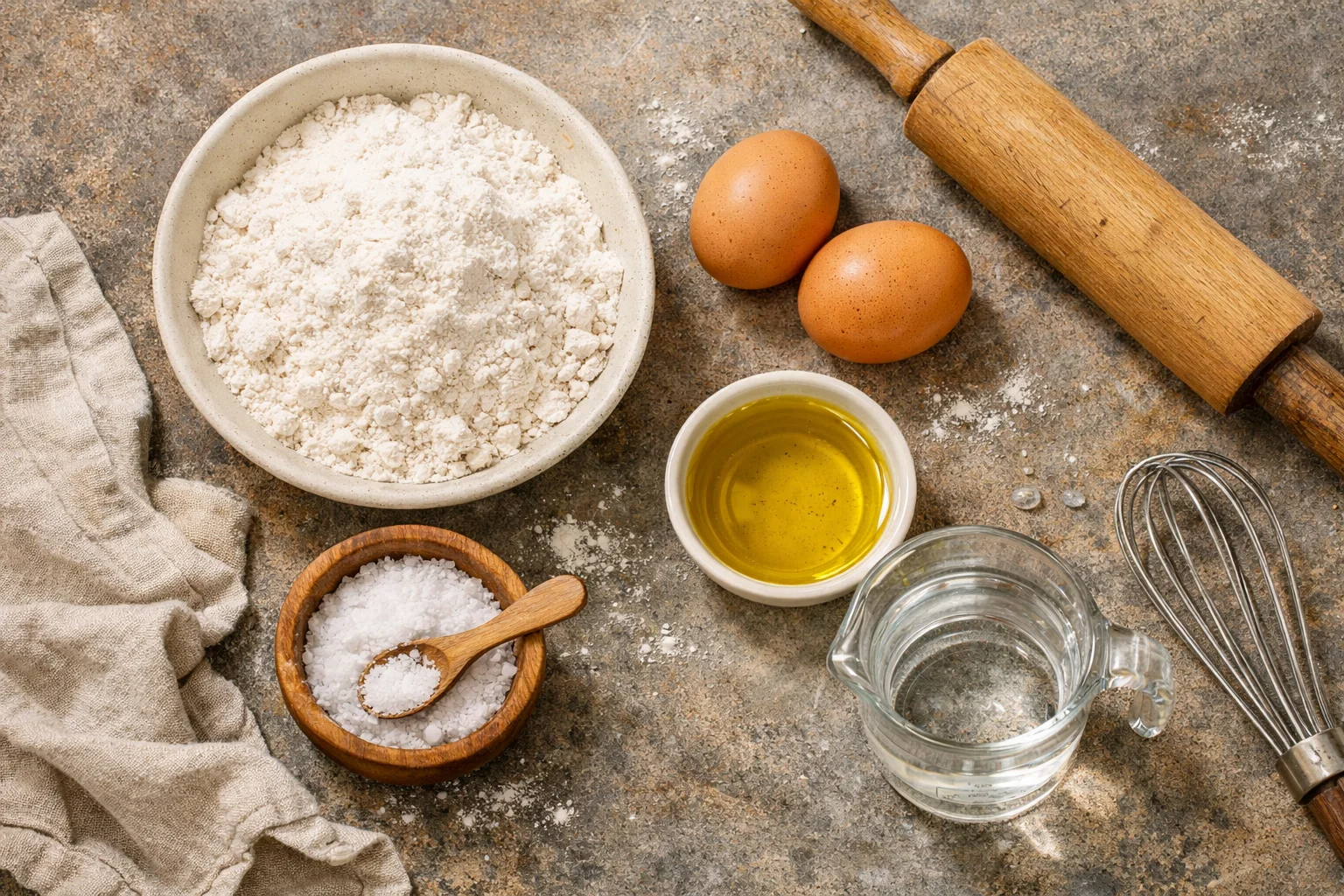
- 2 cups gluten free all purpose flour with xanthan gum (or add 1 teaspoon if your mix does not include it)
- 2 large eggs
- 2 tablespoons olive oil
- 1 teaspoon salt
- About 2 to 6 tablespoons water as needed
Directions:
- In a bowl, mix flour and salt.
- Add eggs and olive oil. Stir until it looks shaggy and clumpy.
- Add water a little at a time until the dough holds together. It should feel smooth, not wet.
- Press it into a ball, cover, and let it rest 15 to 20 minutes. This step is a big deal for gluten free dough.
- Dust your counter with gluten free flour. Roll the dough out in small sections so it does not crack.
- Cut into noodles. If it sticks, add a little more flour on top.
- Boil in salted water 2 to 4 minutes. Taste and stop when it is tender.
My real life troubleshooting: If your dough is cracking, it is usually too dry. Add a tiny splash of water and knead it in. If it is sticking to everything, it is too wet, so sprinkle more flour and keep going. Also, don’t make the noodles paper thin at first. Slightly thicker noodles are more forgiving.
Once you get the hang of it, this becomes one of those brag worthy kitchen skills. And it makes you appreciate all the gluten free pasta recipes out there even more, because you start noticing how sauce and texture work together.
Common Questions
Q: Why does my gluten free pasta fall apart?
A: Usually it is overcooked or stirred too aggressively late in cooking. Taste earlier and drain as soon as it is tender.
Q: Should I add oil to the boiling water?
A: I don’t. It can make sauce slide off the noodles. Stir well instead and keep the pot at a steady boil.
Q: What sauce hides the gluten free texture best?
A: Creamy sauces, pesto, and thicker marinara are the easiest wins. They cling and add richness.
Q: Can I meal prep gluten free pasta?
A: Yes, but store noodles and sauce separately if you can. Reheat with a splash of water or broth, then mix.
Q: Is fresh gluten free pasta better than boxed?
A: It depends. Fresh feels more tender and special, boxed is convenient and still delicious. I use both depending on the day.
A cozy bowl is still on the menu
Gluten free pasta can be every bit as satisfying as the classic stuff once you know how to cook it and which sauces love it most. Keep a few easy dinners in your pocket, try a fresh noodle night when you feel like it, and don’t stress the learning curve. If you try one thing first, make a simple marinara and focus on cooking the noodles just until tender. Then tell me what you made, because I’m always looking for more gluten free pasta recipes to add to my weekly rotation.

Gluten Free Pasta Recipes
Ingredients
Pasta Dishes
- 2 cups gluten free all purpose flour with xanthan gum Add 1 teaspoon of xanthan gum if needed
- 2 large eggs Regular eggs
- 2 tablespoons olive oil For the dough
- 1 teaspoon salt For seasoning the dough
- 2-6 tablespoons water As needed to form dough
- 1 pinch black pepper For garnishing
- 1 squeeze lemon To add freshness
Instructions
Making the Pasta Dough
- In a bowl, mix flour and salt.
- Add eggs and olive oil. Stir until it looks shaggy and clumpy.
- Add water a little at a time until the dough holds together and is smooth.
- Press the dough into a ball, cover, and let it rest for 15 to 20 minutes.
- Dust the counter with gluten free flour and roll out the dough in small sections.
- Cut into noodles and boil in salted water for 2 to 4 minutes until tender.
Cooking Tips
- Salt your water well before adding the pasta.
- Stir frequently during the first minute to prevent sticking.
- Taste the pasta one minute before the suggested cooking time to prevent overcooking.
- Do not rinse pasta unless for pasta salad; if rinsing, do so lightly and toss with olive oil.
- Save a mug of pasta water before draining to loosen up the sauce.
- Serve immediately after cooking to prevent the noodles from becoming mushy.