Skip to content
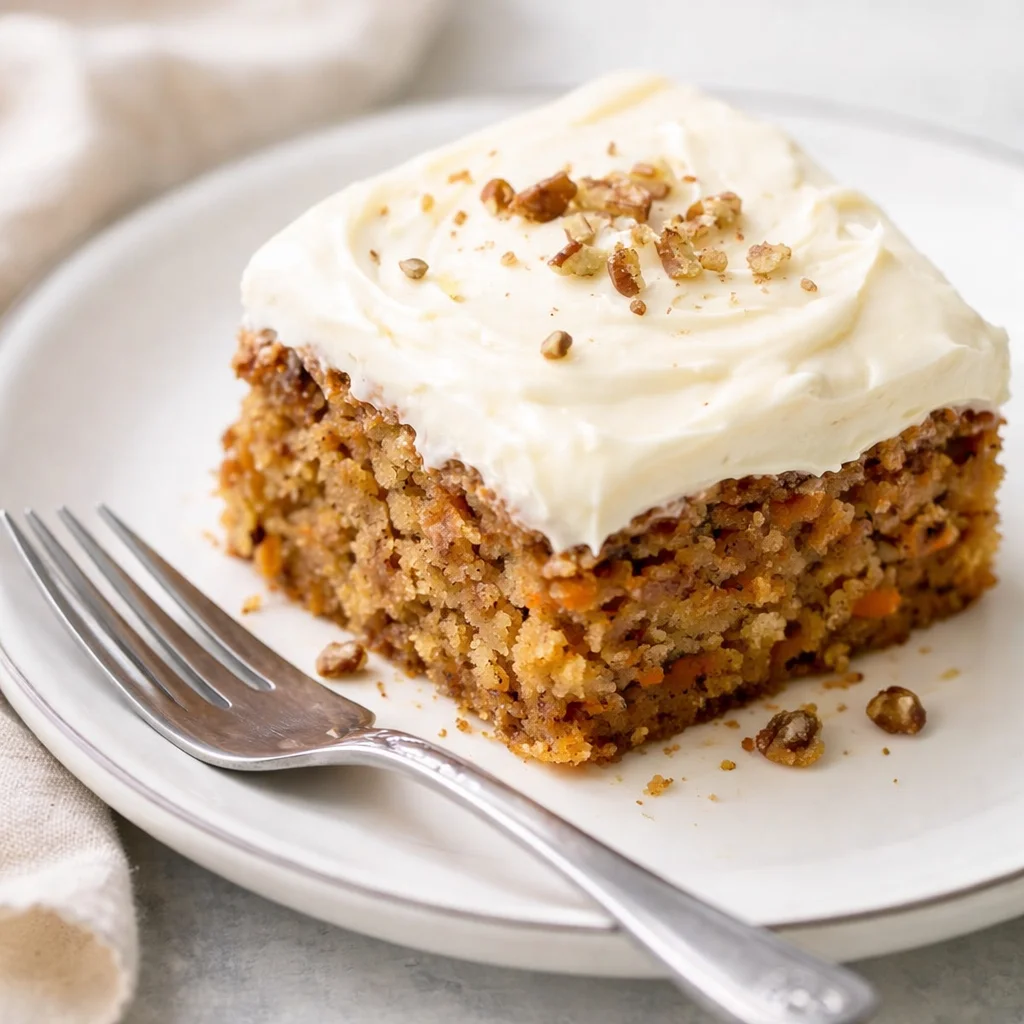
gluten free carrot cake recipe days usually start the same for me: someone texts asking for a dessert that feels classic, but won’t upset their stomach. And honestly, I get it. Carrot cake is the kind of cozy bake people expect at birthdays, potlucks, and random Sunday cravings, but gluten free versions can turn out dry or weirdly gummy. This one stays soft, warmly spiced, and actually tastes like real cake. You don’t need fancy techniques, just a few smart ingredient choices and a little patience while it cools. If you’ve been burned by disappointing gluten free baking before, I promise this is the friendly re entry point you want. 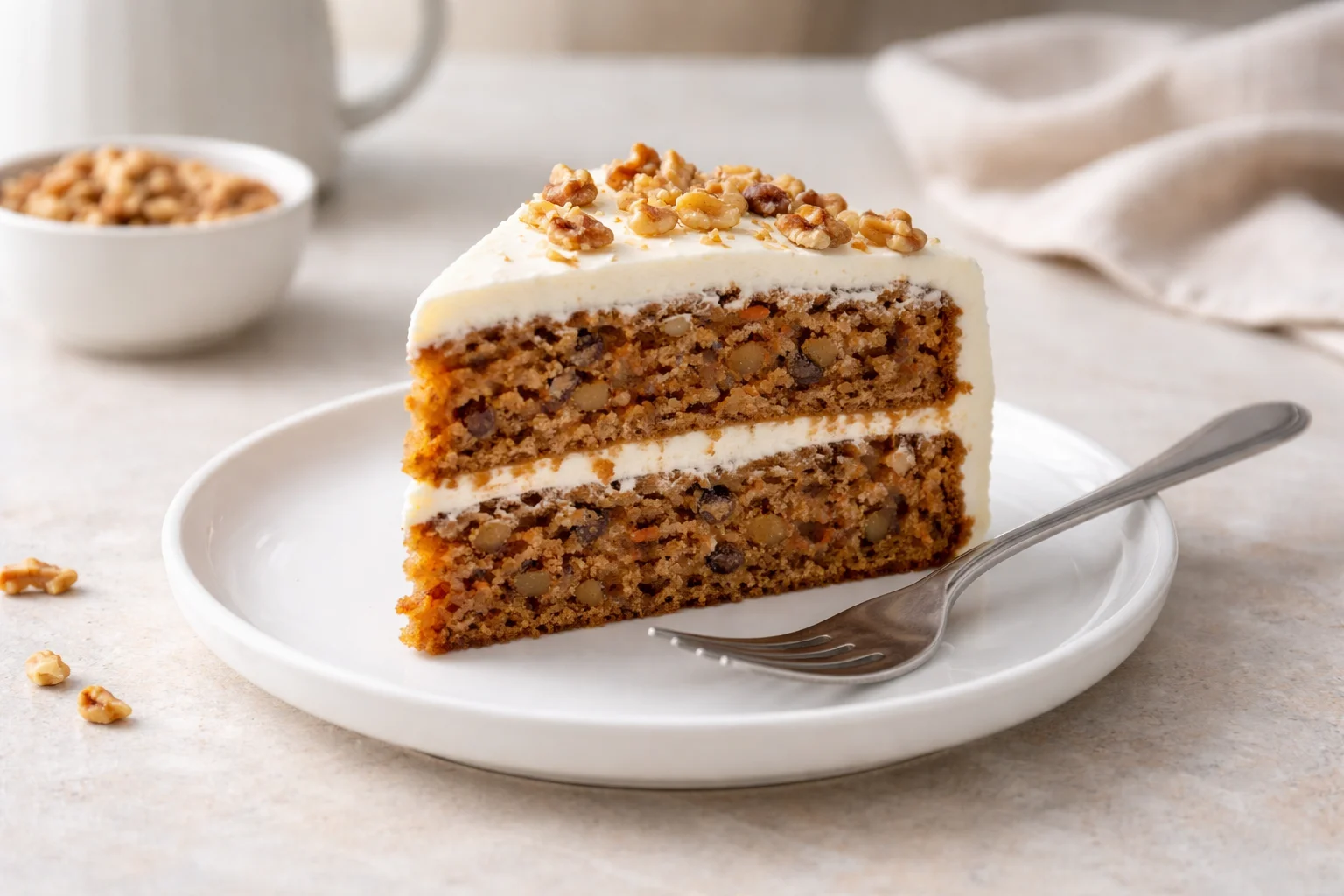
Why You’ll Love this Gluten-Free Carrot Cake
I’ve made this cake for gluten eaters and gluten avoiders, and nobody guesses it’s gluten free until I say so. It’s tender, not crumbly, with that sweet carrot vibe and a gentle spice that makes your kitchen smell like you’re doing something wholesome and impressive.
Here’s what makes it a keeper in my house:
- Moist texture from finely grated carrots and a simple oil based batter.
- One bowl friendly if you’re not in the mood to create a sink full of dishes.
- Reliable rise even without wheat flour, as long as you measure carefully.
- Flexible add ins like walnuts, raisins, or pineapple if you like that classic bakery style.
Also, if you’re baking for a group, this gluten free carrot cake recipe is a safe bet because it feels familiar. Nobody has to “learn” a new dessert. They just eat cake and get happy.
Notes on ingredients and substitutions for this gluten-free carrot cake
Let’s talk ingredients in real life terms, not fancy pastry chef terms. You want things that are easy to find, and you want to know what you can swap without ruining the whole pan.
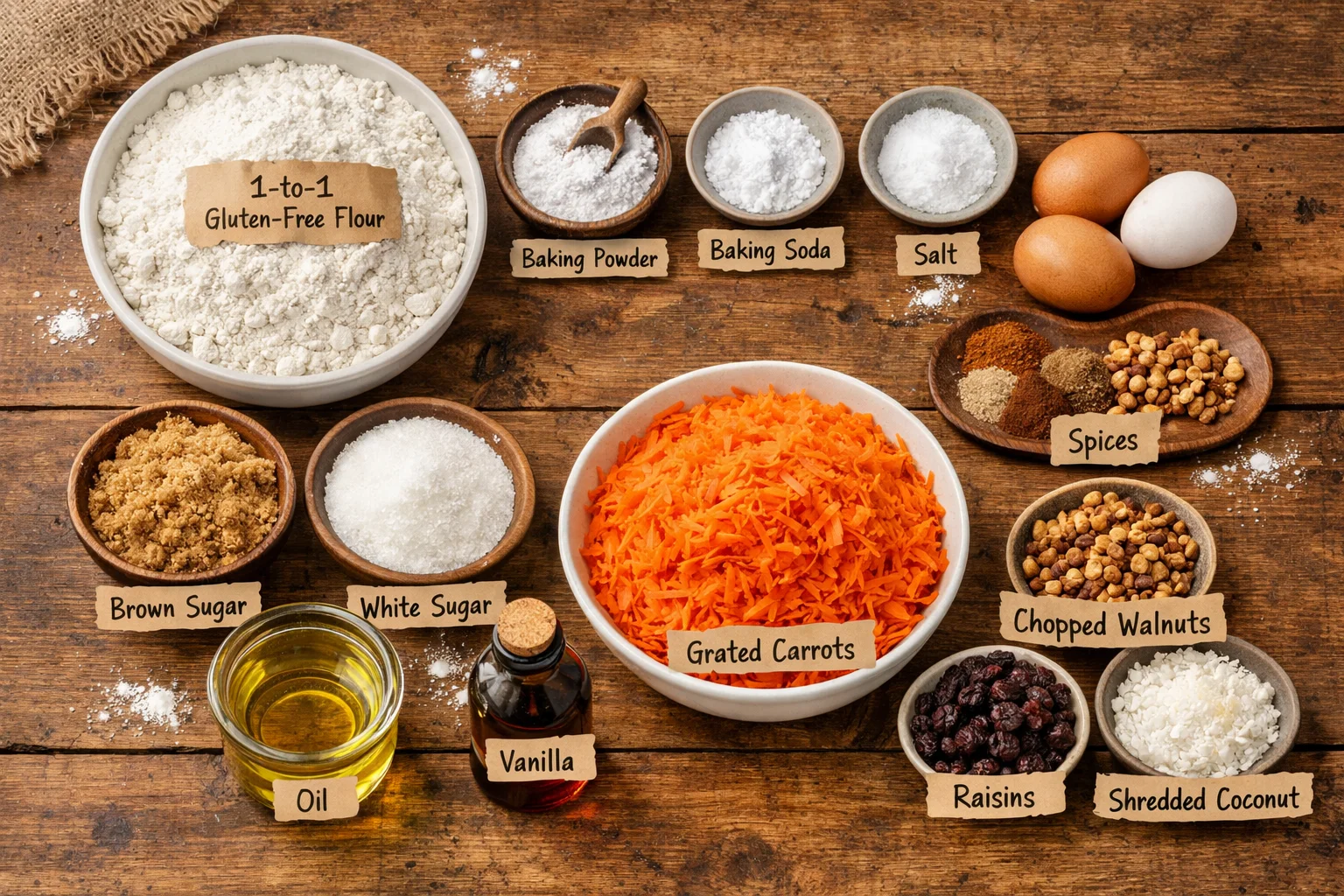
What you will need
- Gluten free flour blend that says 1 to 1 or measure for measure
- Baking powder and baking soda
- Salt
- Cinnamon, plus a pinch of nutmeg or ginger if you like extra warmth
- Eggs
- Brown sugar and a little white sugar
- Neutral oil like avocado, vegetable, or light olive oil
- Vanilla extract
- Finely grated carrots
- Optional: chopped walnuts or pecans, raisins, shredded coconut
Gluten free flour blend: This matters. Use a blend meant for baking, and check if it already includes xanthan gum. If it doesn’t, add about 1 teaspoon xanthan gum for a standard cake size. It helps hold everything together so slices don’t fall apart.
Carrots: Grate them fine, not chunky. Big shreds can make pockets of wet carrot that mess with the texture. I use the small holes on a box grater and lightly pack the carrots when measuring so it’s consistent.
Sugar: Brown sugar gives moisture and that deeper flavor. If you only have one kind, you can do all brown sugar, and it still works. I wouldn’t do all white sugar, because it can taste a little flat.
Oil: Oil keeps gluten free cakes softer for longer than butter alone. If you love butter flavor, you can replace a couple tablespoons of oil with melted butter, but keep most of it oil for texture.
Add ins: Nuts are amazing here, but if you’re serving kids or anyone with allergies, skip them and maybe add raisins instead. If you add pineapple, make sure it’s well drained or you’ll get a soggy center.
Quick overview of the method I use so you feel confident:
Preheat your oven to 350 F. Grease a 9 by 13 pan or two 8 inch rounds, and line with parchment if you want super easy removal. Mix dry ingredients in a bowl. In a second bowl, whisk eggs, sugars, oil, and vanilla. Stir dry into wet, then fold in carrots and any add ins. Bake until a toothpick comes out mostly clean, then cool completely before frosting.
<pAnd yes, I’m saying it plainly on purpose: don’t frost warm cake. I’ve done it. It turns into a sweet slip and slide situation.
“I brought this to a family dinner and my gluten loving dad went back for seconds. He said it tasted like the carrot cake from his favorite diner.”
Can this gluten-free carrot cake be made dairy-free?
Yes, and it’s honestly one of the easiest cakes to adapt. The cake itself is already simple to make dairy free because it uses oil. The main dairy question is usually the frosting.
Dairy-free swaps that work
If you want that classic cream cheese frosting vibe without dairy, here are options that won’t make you sad:
Option 1: Dairy free cream cheese frosting
Use dairy free cream cheese and dairy free butter sticks. Beat them with powdered sugar, vanilla, and a tiny pinch of salt. Chill it for 15 to 20 minutes if it seems soft, then frost.
Option 2: Coconut based frosting
Use chilled full fat coconut cream and whip it with powdered sugar and vanilla. It’s lighter and a little coconutty, which pairs really well with the spices.
Option 3: Simple glaze
If you don’t want to fuss, whisk powdered sugar with a little non dairy milk and vanilla. Drizzle it over the cooled cake. It’s less traditional but super easy and still pretty.
One thing I’ll mention from experience: dairy free cream cheese brands vary a lot. Some are tangier, some are sweeter, some are softer. If your frosting feels loose, just chill it, and don’t overmix once it’s smooth.
Tips for Making Gluten-Free Cake
Gluten free baking gets a bad reputation because a lot of people treat it exactly like regular baking and hope for the best. A few small habits make a big difference, especially with a gluten free carrot cake recipe where you want that perfect soft crumb.
My no-stress tips
Measure flour carefully. If you can, spoon flour into the measuring cup and level it. Scooping straight from the bag can pack it down and make the cake dense.
Let the batter sit for 5 minutes. This gives the flour blend time to hydrate. It sounds small, but it helps prevent gritty texture.
Use room temperature eggs. It helps everything mix smoothly so the cake bakes evenly.
Check your oven. If your oven runs hot, gluten free cakes can dry out faster. An inexpensive oven thermometer is one of those boring tools that saves your dessert.
Don’t overbake. Look for a toothpick with a few moist crumbs. If it’s totally dry, you might already be heading toward dry cake.
And frosting tip from someone who has learned the hard way: if you want neat slices, chill the frosted cake for 30 minutes before cutting. It’s not mandatory, but it makes you look like you’ve got your life together.
Storage Instructions
This is the part nobody wants to think about because we all assume the cake will disappear in a day. But just in case you have leftovers or you’re baking ahead, here’s what actually works.
Room temperature: If the cake is unfrosted, you can keep it covered on the counter for about 2 days. Once it’s frosted with cream cheese style frosting, I refrigerate it.
Refrigerator: Store frosted cake in an airtight container for up to 5 days. The cake stays moist, and the flavor honestly gets even better after a night in the fridge.
Freezer: You can freeze slices or layers. Wrap them tightly in plastic wrap, then add foil. Freeze up to 2 months for best texture. Thaw overnight in the fridge or for a couple hours at room temp.
Serving after chilling: If it’s been in the fridge, let it sit out 15 to 20 minutes before serving. The crumb softens and the spices pop more. It tastes closer to how you imagined it.
Common Questions
1) Can I make this gluten free carrot cake recipe as cupcakes?
Yes. Line a muffin tin and fill about two thirds full. Bake around 18 to 22 minutes at 350 F, then cool fully before frosting.
2) Do I have to peel the carrots?
I usually do, especially if the skins look dry. If your carrots are fresh and you wash them well, it’s fine to skip peeling.
3) Why did my cake sink in the middle?
Most often it’s underbaking or too much moisture from add ins like pineapple or extra carrot. Also, don’t open the oven door a bunch in the first 25 minutes.
4) Can I reduce the sugar?
You can lower it a bit, but don’t cut it in half. Sugar helps moisture and texture in gluten free baking. I’ve had good results reducing by about one quarter.
5) What frosting pairs best if I don’t like cream cheese?
A simple vanilla buttercream works great, or even whipped coconut cream if you want something lighter.
One last little pep talk before you bake
If you’ve been hunting for a dessert that feels comforting and normal, this gluten free carrot cake recipe is it. Keep the carrots finely grated, don’t overbake, and let the cake cool before you frost. You’ll end up with soft slices, cozy spice, and that just right sweetness that makes people wander back to the kitchen for another bite. If you try it, make it your own with nuts or raisins, and don’t stress the small stuff. You’re about to have really good cake.

Gluten-Free Carrot Cake
Ingredients
Dry Ingredients
- 2 cups Gluten free flour blend 1 to 1 or measure for measure blend. If it doesn't include xanthan gum, add 1 tsp.
- 1 tsp Baking powder
- 1 tsp Baking soda
- 1/2 tsp Salt
- 2 tsp Ground cinnamon Add a pinch of nutmeg or ginger if desired.
Wet Ingredients
- 3 Eggs Use room temperature.
- 1 cup Brown sugar For moisture and deeper flavor.
- 1/2 cup Granulated white sugar
- 1/2 cup Neutral oil Like avocado, vegetable, or light olive oil.
- 1 tsp Vanilla extract
Main Ingredients
- 2 cups Finely grated carrots Grate finely to avoid pockets of wet carrot.
- 1/2 cup Chopped walnuts or pecans (optional) Skip if allergic.
- 1/2 cup Raisins (optional) Great substitute for nuts.
- 1/2 cup Shredded coconut (optional)
Instructions
Preparation
- Preheat oven to 350°F (175°C). Grease a 9x13 inch pan or two 8 inch round pans and line with parchment if desired.
- In a large bowl, mix dry ingredients: gluten free flour blend, baking powder, baking soda, salt, and cinnamon.
- In another bowl, whisk together eggs, brown sugar, granulated sugar, oil, and vanilla extract.
- Stir the wet ingredients into the dry ingredients until combined.
- Fold in the grated carrots and any optional add-ins like nuts or raisins.
Baking
- Pour the batter into the prepared pan(s) and bake until a toothpick inserted comes out mostly clean, about 30-40 minutes.
- Cool completely before frosting.