Skip to content
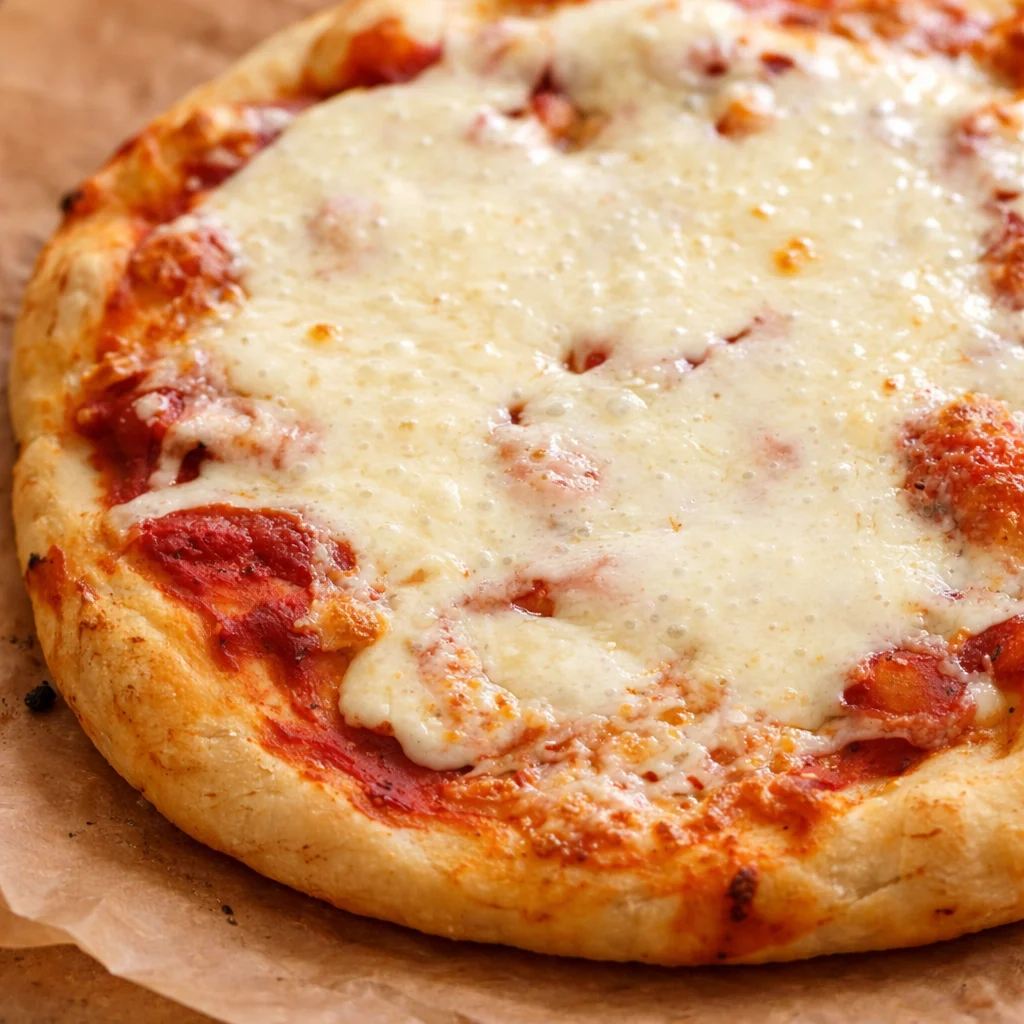
gluten free pizza crust recipe days used to stress me out, because I wanted that real pizza night vibe without a crust that crumbles or tastes like cardboard. If you have ever pulled a gluten free crust out of the oven and it turned into a cracker, you know the disappointment. I have been there, hungry and slightly annoyed, staring at a sad little circle on a pan. After a lot of trial and error, I landed on a crust that is crisp on the edges, soft in the middle, and actually holds toppings. It is simple enough for a weeknight, and it does not require fancy equipment. 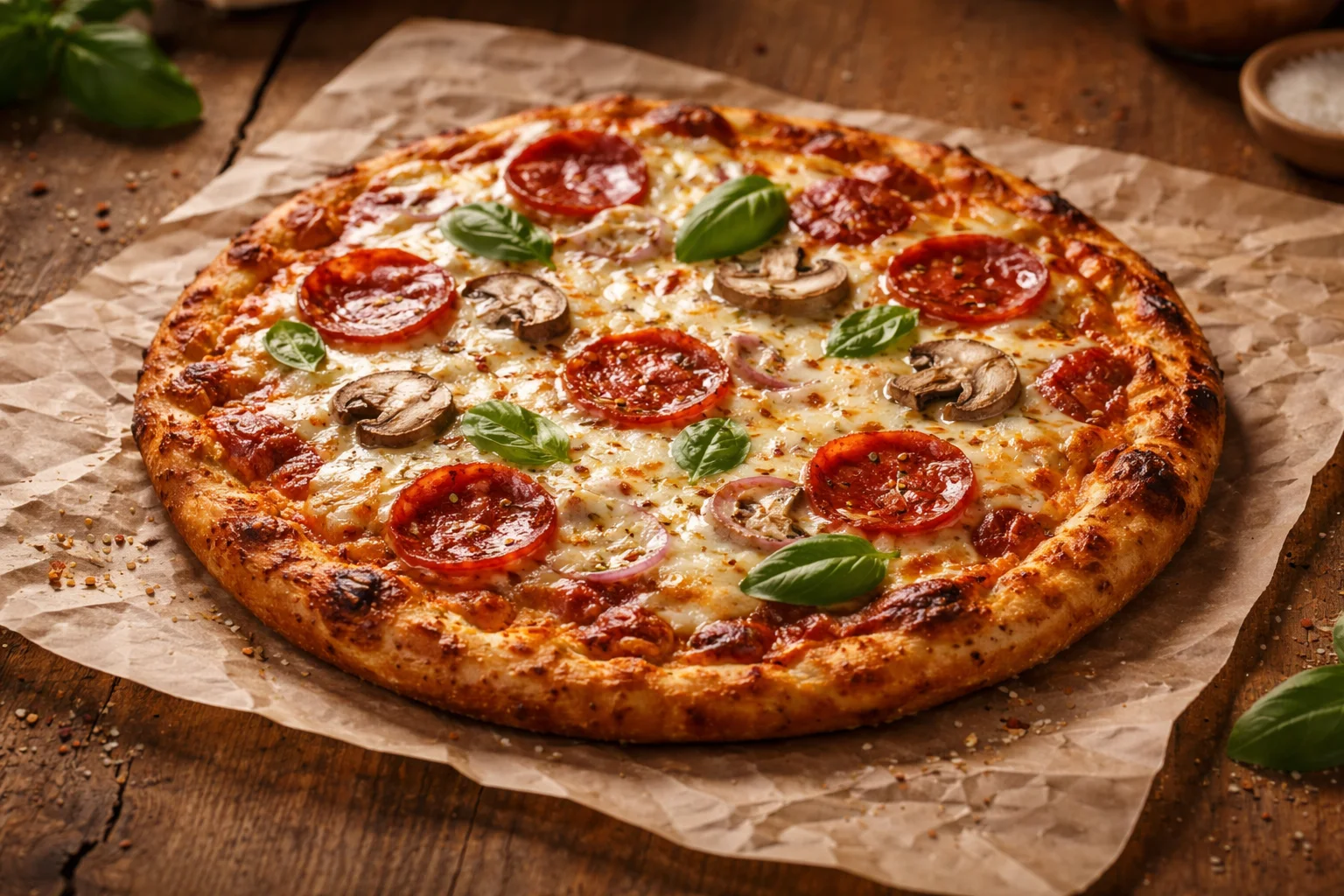
Nicole’s Recipe Notes
I make this crust when I want something reliable, not a science project. The dough is a little different from wheat dough. It is softer and more like a thick batter at first, then it firms up as it rests and bakes. That is normal, so do not panic and start dumping in extra flour.
The key for me is using a good gluten free flour blend that already includes xanthan gum. If yours does not have it, you will add it yourself. Xanthan gum helps the dough hold together and gives it that bendy, pizza slice feel.
I also like a quick par bake before adding sauce and toppings. It takes a few extra minutes, but it solves a lot of problems. You get a crust that is less soggy and easier to slide off the pan.
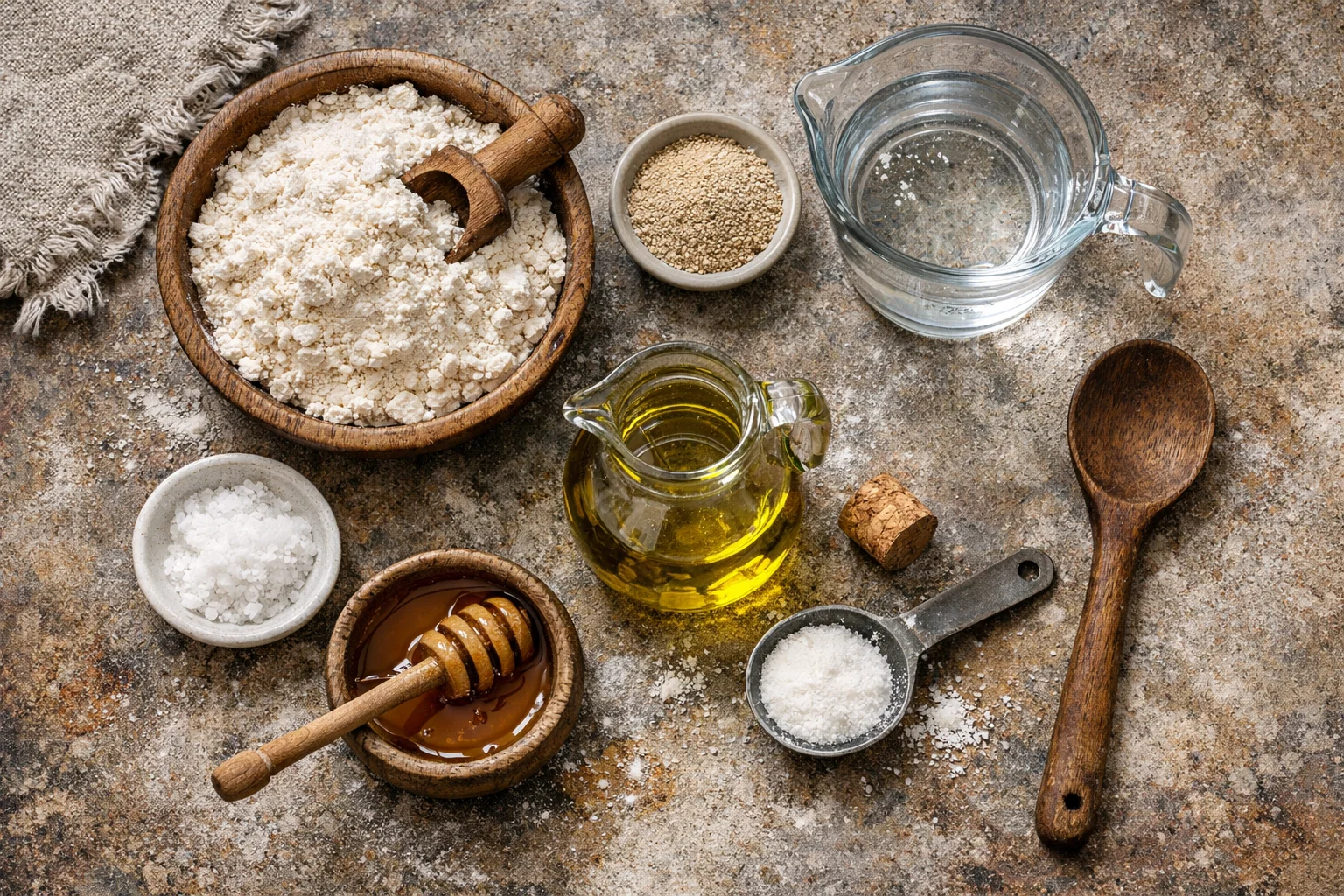
Here is what you will need for my go to version. I am keeping it super practical.
- Gluten free flour blend (with xanthan gum if possible)
- Instant yeast
- Warm water (not hot, think bath water)
- Olive oil
- Salt
- A little sugar or honey (just to wake up the yeast)
One more note from my kitchen. If your house is chilly, the dough may take a bit longer to rise. I usually let it rise near the oven while it preheats, and that gentle warmth helps a lot.
Expert tips
I am not a professional chef, but I have made this enough times to know where things can go sideways. These tips are the small stuff that makes a big difference.
Tip 1: Measure flour the careful way. If you can, use a kitchen scale. If you do not have one, spoon flour into the measuring cup and level it. Scooping straight from the bag packs it down and can make the dough too dry.
Tip 2: Give the dough a rest. After mixing, let it sit for about 10 minutes. Gluten free flour needs a moment to soak up the liquid. You will notice it thickens and gets easier to handle.
Tip 3: Wet hands beat sticky dough. Instead of adding more flour, lightly oil your hands or wet them with water and press the dough out. It spreads so much easier.
Tip 4: Use parchment paper. This is the easiest way to avoid sticking and it helps you move the crust. I shape the dough on parchment, then lift it onto the pan.
Tip 5: Par bake for structure. This is my secret weapon. Bake the crust for a short time first, then add toppings and finish baking. You get a sturdier slice that does not flop.
Ingredient substitutions
I know not everyone has the same pantry or the same food needs, so here are some swaps that usually work. I will also be honest about what changes the texture.
Flour blend: You can use most cup for cup gluten free flour blends. I have better luck with blends that include rice flour plus starches like tapioca or potato starch. If your blend is bean based, the flavor will be stronger. Not bad, just more noticeable.
Xanthan gum: If your flour blend does not include it, add about 1 teaspoon for one pizza crust. If you cannot do xanthan gum, some people use psyllium husk powder instead. It can work, but the dough feels different and can be a bit chewier.
Yeast: Instant yeast is easiest. If you only have active dry yeast, dissolve it in the warm water with the sugar first and wait until it looks foamy, usually 5 to 10 minutes.
Sugar or honey: You can skip it if you really need to, but yeast likes a tiny bit of sweetness. It helps the rise and gives a nicer flavor.
Olive oil: Avocado oil works too. Even melted butter works if you are not dairy free.
Dairy free: Good news, this crust is naturally dairy free as written. Just watch your toppings and cheese.
One small caution. If you swap flour blends, you might need a splash more water or a spoon of extra flour. Gluten free blends are all a little different, so trust the look and feel. You want a soft dough that you can press out, not something dry like cookie dough.
How to make gluten free pizza dough
This is the part you came for. I will walk you through it like I am standing in your kitchen chatting while you stir. The goal is a crust that bakes up with crispy edges and a nice bite.
Step 1: Mix the yeast and water. In a large bowl, stir warm water with sugar (or honey) and yeast. If you are using instant yeast, you can move right on. If you are using active dry yeast, wait until it gets foamy.
Step 2: Add dry ingredients. Stir in the gluten free flour blend and salt. Pour in the olive oil. Mix until you have a thick, sticky dough. It will not look like classic kneadable dough, and that is okay.
Step 3: Rest the dough. Let it sit for 10 minutes. This is where the magic happens, because the flour hydrates and the dough becomes more spreadable.
Step 4: Let it rise. Cover the bowl and let it rise for 30 to 45 minutes. It might not double in size like wheat dough, but it should look puffier.
Step 5: Shape it. Preheat your oven to 450 F. Line a pizza pan or baking sheet with parchment paper. Scrape the dough onto the parchment. With oiled hands, press it into a circle, about 10 to 12 inches wide. If you like a thicker crust, make it smaller and keep it a little thicker.
Step 6: Par bake. Bake the crust for 8 to 10 minutes. It should look set on top and just barely starting to color on the edges.
Step 7: Add toppings and finish baking. Pull it out, add sauce, cheese, and your favorite toppings. Bake again for 10 to 15 minutes until the cheese is bubbly and the crust edges are golden.
This is the gluten free pizza crust recipe I keep coming back to because it actually behaves like pizza. You can pick up a slice, and it does not fall apart in your hands. Also, your kitchen will smell like a real pizza place, which is honestly half the fun.
One more little personal thing. The first time I nailed this, I stood at the counter and ate a slice before I even sat down. No plate, no shame. That is how you know it is good.
Storage instructions
If you are anything like me, you will be thrilled if you can make this ahead. The good news is that this crust stores really well if you do it the right way.
To store baked crust: Let the crust cool completely. Wrap it tightly and keep it in the fridge for up to 3 days. Reheat it in a hot oven or in a skillet to bring back the crispness.
To freeze baked crust: Par bake it, cool it, then wrap it well. Freeze for up to 2 months. When you want pizza, unwrap, add toppings straight from frozen, and bake until hot and bubbly. It is such a lifesaver on busy nights.
To store leftover pizza slices: Keep them in an airtight container in the fridge. Reheat in a skillet with a lid for a few minutes. The bottom gets crisp again and the cheese melts nicely without drying out.
Can you refrigerate the dough? Yes, but I prefer freezing the par baked crust instead. Raw gluten free dough can change texture in the fridge and sometimes bakes up denser. If you must chill it, use it within 24 hours and let it come back to room temp before shaping.
If you are meal prepping, this gluten free pizza crust recipe is honestly a gift. I have stashed par baked crusts in my freezer and felt like my past self was being weirdly kind to my future self.
Common Questions
Why is my crust gummy in the middle?
Usually it needs a longer bake or a par bake. Also go easy on sauce and wet toppings. Too much moisture can keep the center from setting.
Can I make this gluten free pizza crust recipe without yeast?
You can, but it will taste more like a flatbread. Yeast adds that classic pizza flavor and a lighter texture. If you skip it, use baking powder and expect a different vibe.
What is the best pan for gluten free pizza?
A regular baking sheet works, but a pizza pan or preheated pizza stone gives a crispier bottom. If you use a stone, shape the dough on parchment and slide it on carefully.
How thin should I press the dough?
For a classic slice, aim for about one quarter inch thick in the center, slightly thicker around the edge. If you go too thin, it can get crunchy fast.
Can I use this as a base for toppings like BBQ chicken or veggie pizza?
Absolutely. This crust holds up well. Just cook watery veggies first and pat them dry so your pizza does not get soggy.
A pizza night you can actually look forward to
If you have been chasing a crust that feels like real pizza, this one is worth a try. Keep the dough soft, let it rest, and do not skip the par bake if you want a sturdy slice. After you make it once, it starts feeling easy and kind of comforting, like your go to dinner plan. And yes, this gluten free pizza crust recipe is flexible enough for whatever toppings your fridge can throw at it. Make it this week, and tell me what you piled on top.

Gluten Free Pizza Crust
Ingredients
For the Dough
- 2 cups gluten free flour blend (with xanthan gum if possible) Use blends that include rice flour plus starches like tapioca or potato starch.
- 1 packet instant yeast If using active dry yeast, dissolve in warm water with sugar first.
- 1 cup warm water Should be bath temperature, not hot.
- 2 tablespoons olive oil Can substitute with avocado oil or melted butter.
- 1 teaspoon salt
- 1 teaspoon sugar or honey Just to wake up the yeast.
Instructions
Preparation
- In a large bowl, stir warm water with sugar (or honey) and yeast. If using active dry yeast, wait until it gets foamy before proceeding.
- Stir in gluten free flour blend and salt. Pour in the olive oil and mix until you have a thick, sticky dough.
- Let the dough sit for 10 minutes to allow the flour to absorb the liquid.
- Cover the bowl and let it rise for 30 to 45 minutes until puffier.
- Preheat oven to 450°F and line a pizza pan or baking sheet with parchment paper.
- Scrape the dough onto the parchment. With oiled hands, press it into a circle, about 10 to 12 inches wide.
- Par bake the crust for 8 to 10 minutes until it is set on top and starting to color on the edges.
- Add sauce, cheese, and any desired toppings, then bake again for 10 to 15 minutes until cheese is bubbly and edges are golden.