 Skip to content
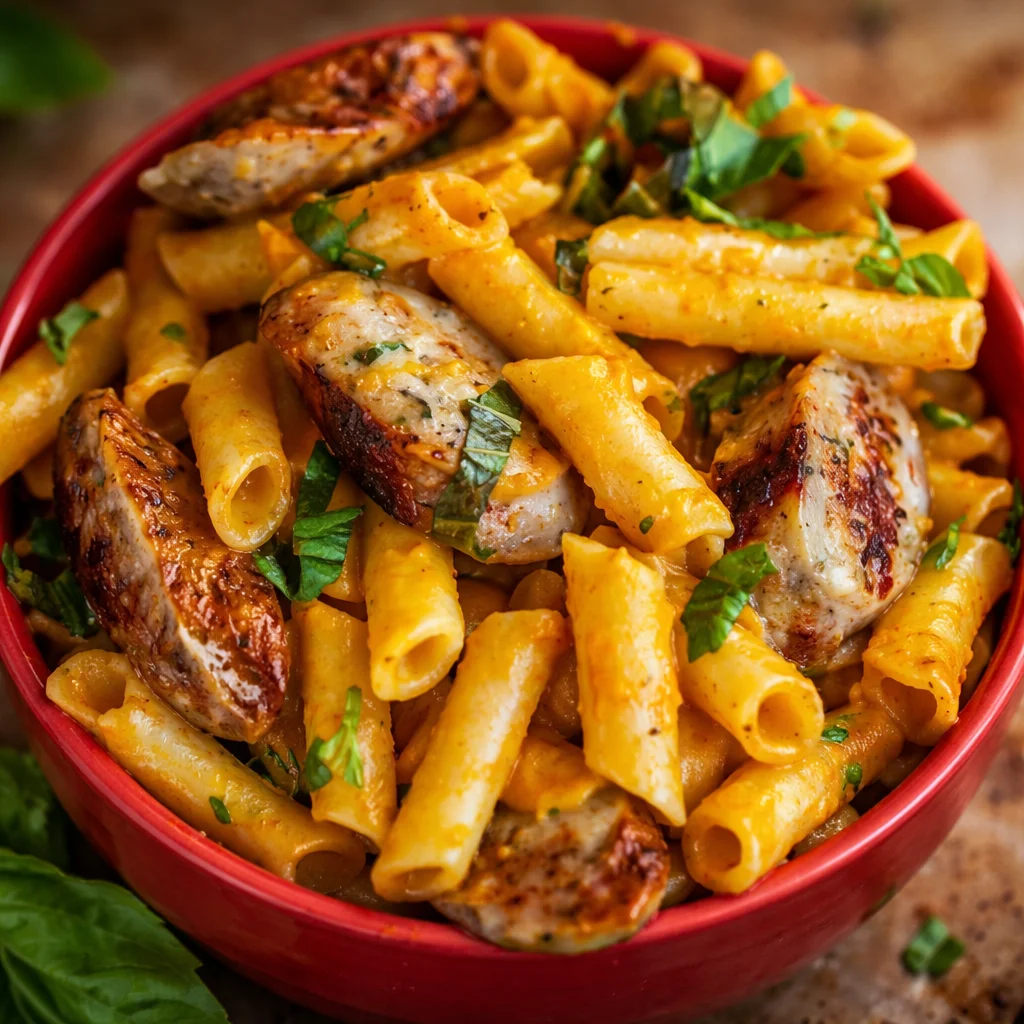
gluten free pasta recipes saved my weeknight dinners when I realized gluten was not loving me back. I still wanted big bowls of comfort food, the kind that makes the kitchen smell like garlic and tomatoes and makes everyone wander in asking, “What are you making?” The tricky part is that some gluten free pasta can turn mushy fast, or it just does not feel satisfying. So I started testing brands, sauces, and little tricks until it felt easy again. This post pulls together my favorite wins, plus a fresh pasta option when you want to go the extra mile. 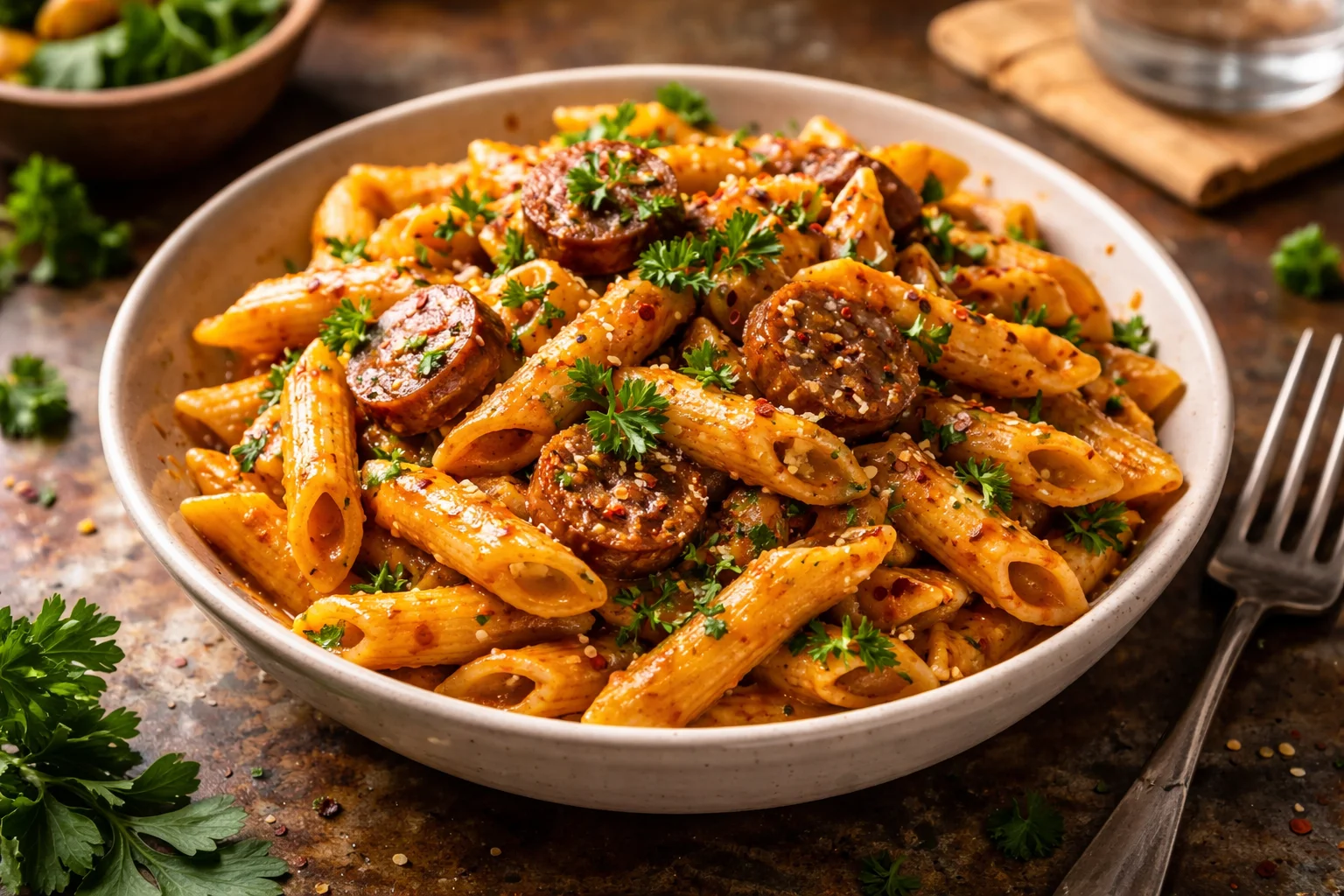
15 Amazing Gluten Free Pasta Dishes
If you are craving variety, here are the dishes I actually make on repeat. I’m keeping them realistic for normal people schedules, but still really tasty. A lot of these work with any boxed pasta you like, so use what you can find.
- Garlic butter shrimp linguine with lemon and parsley
- Creamy tomato basil penne with a splash of cream or coconut cream
- One pot sausage and spinach pasta with lots of garlic
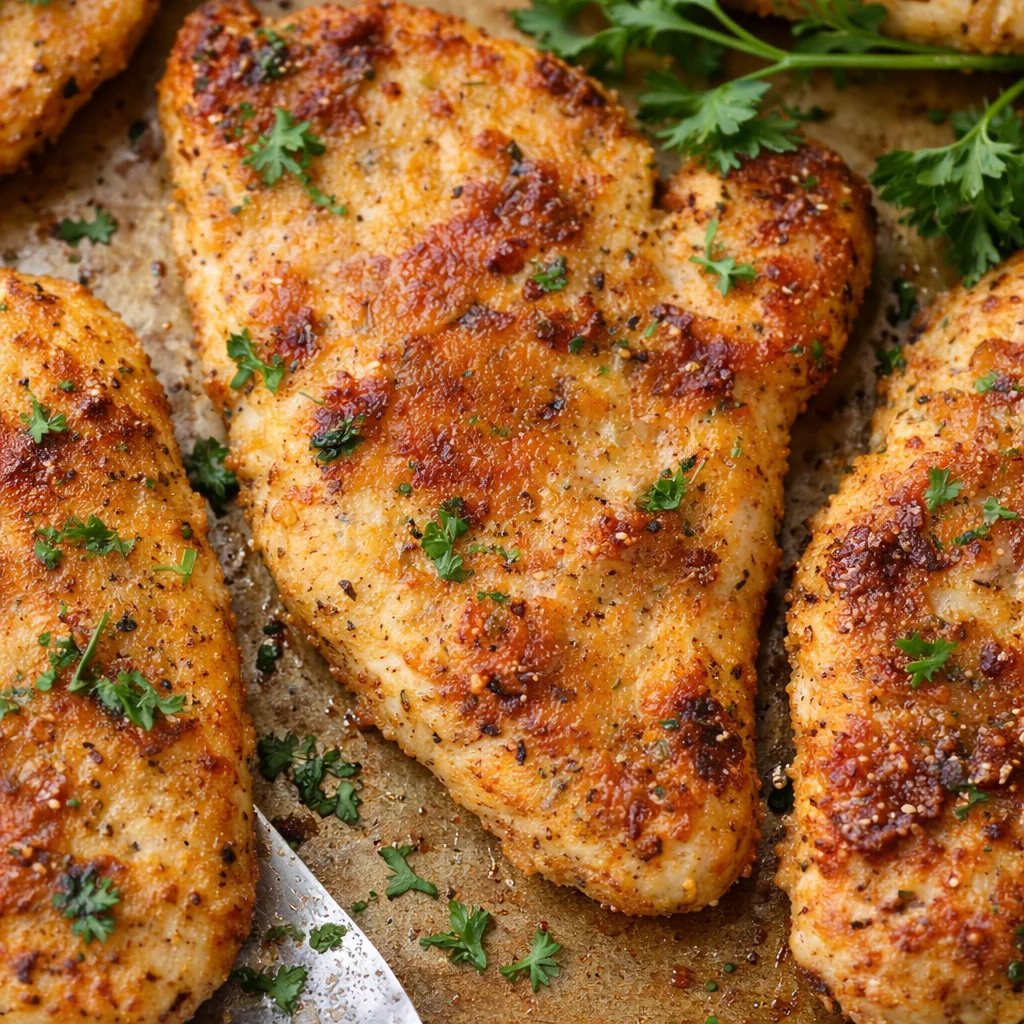
- Pesto chicken rotini with cherry tomatoes
- Mac and cheese with sharp cheddar and a little mustard
- Roasted veggie primavera with zucchini, peppers, and onions
- Spicy arrabbiata with crushed red pepper and extra olive oil
- Tuna caper pasta with lemon zest for brightness
- Alfredo with broccoli for that cozy, creamy vibe
- Meat sauce bolognese style that simmers while you clean up
- Cheesy baked ziti with mozzarella and ricotta
- Cold pasta salad with cucumbers, olives, and feta
- Thai inspired peanut noodles with shredded carrots and cilantro
- Gnocchi style skillet using gluten free gnocchi if you can find it
- Lemony chickpea pasta bowl with arugula and parmesan
My personal top three are the garlic butter shrimp, the baked ziti, and the pesto chicken. They taste like something you would order, but they are honestly not hard. And yes, they totally fit the vibe of gluten free pasta recipes that do not feel like “diet food.”
A quick sauce tip: if your pasta is a little delicate, pick sauces that cling. Think pesto, thicker tomato sauce, or cheesy sauces. Super thin sauces can make the whole bowl feel watery and sad.
Gluten Free Fresh Pasta Noodles
Okay, fresh pasta sounds fancy, but it can be surprisingly doable at home. I do it on a weekend afternoon when I want a cozy kitchen project and an excuse to wear sweatpants all day. Fresh noodles also have a softer bite that feels more like classic pasta, especially when boxed gluten free pasta has been hit or miss for you.
My go to fresh gluten free noodle method
I’m not going to pretend this is exactly like traditional wheat pasta dough, because it is not. But it can still be really good, and it scratches that itch when you want something special.
What you will need:
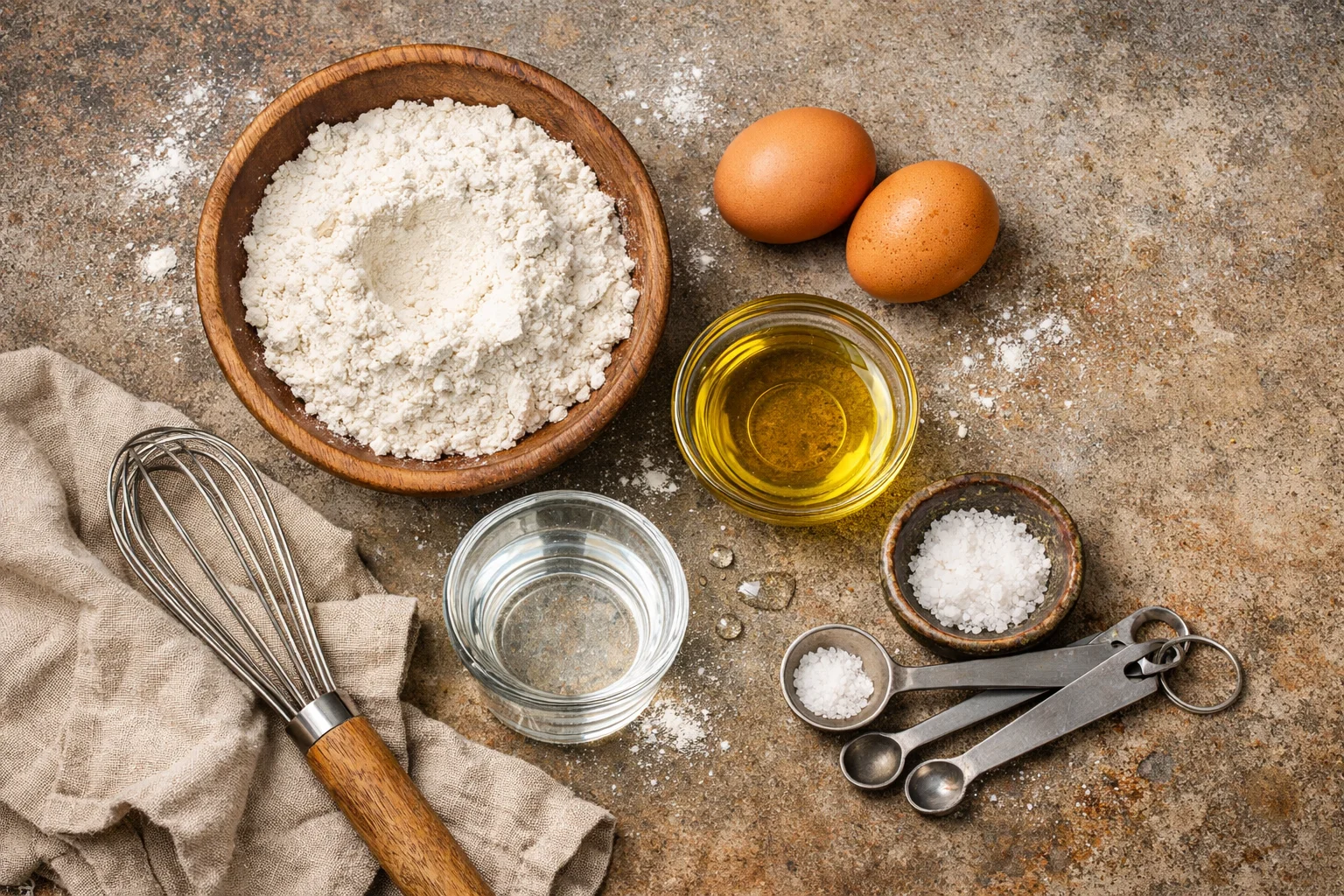
- 1 1/2 cups gluten free flour blend with xanthan gum (or add 1/2 teaspoon xanthan if yours does not have it)
- 2 eggs
- 2 tablespoons olive oil
- 2 to 4 tablespoons water, added slowly
- 1/2 teaspoon salt
How I make it:
Mix the flour and salt in a bowl. Add eggs and olive oil, then stir. It will look shaggy at first, which is normal. Add a little water until it comes together into a smooth dough that is not sticky. Let it rest for 15 minutes so the flour can hydrate. Then roll it out between two sheets of parchment paper. Slice into ribbons with a knife. Boil in salted water for about 2 to 3 minutes, then scoop it right into your sauce.
Fresh gluten free noodles can break if you overcook them, so stay close to the pot. I usually taste a strand at 2 minutes and decide from there. And if you are feeling extra, toss the noodles in a little butter before saucing. That tiny step makes everything feel restaurant-y.
“I tried your fresh noodle tip with parchment paper and it actually worked. I have avoided homemade gluten free pasta for years, but this was the first time it felt easy and tasted great.”
Love gluten free Italian recipes? Here are a few more to try!
If you are here for that cozy Italian comfort, you are in the right place. I grew up thinking pasta night meant a big pot of red sauce and everyone grabbing a bowl and some bread. Going gluten free changed the bread part, but it did not have to change the comfort part.
Here are some Italian style ideas that pair beautifully with your favorite gluten free pasta recipes:
Chicken piccata: Lemon, capers, butter. Spoon that sauce right over spaghetti.
Eggplant parm: Serve it next to penne with marinara, or chop it up and mix it in.
Italian meatballs: Bake them, then simmer in sauce. Great with any noodle shape.
Sausage and peppers: Pile it on top of pasta and finish with parmesan.
Minestrone soup: Add a handful of small pasta shells near the end.
And if you want one simple dinner formula that never fails: cook pasta, warm a sauce, add a protein, add greens, finish with cheese. It is basic, but it works, and it keeps weeknights from turning into takeout nights.
Tips for Cooking Gluten Free Pasta Perfectly
If you have ever pulled gluten free pasta out of the pot and it went from perfect to gummy in two minutes, I feel you. This is where most of the heartbreak happens. The good news is you can avoid it with a few simple habits.
Little tricks that make a big difference
Use a big pot and lots of water. Crowding makes it stick and cook unevenly.
Salt the water generously. This is your chance to season the noodles from the inside.
Stir early. For the first minute or two, stir a few times to prevent clumps.
Start testing early. Gluten free pasta can go from firm to mushy fast, so taste it 1 to 2 minutes before the box says.
Do not rinse unless you are making pasta salad. Rinsing can wash away starch that helps sauce cling. For pasta salad, rinsing and cooling is totally fine.
Toss with sauce right away. Letting it sit plain makes it stick and stiffen. I like to save a splash of pasta water and stir it into the sauce so everything coats nicely.
Also, pick the right shape for the job. In my kitchen, penne and rotini are the most forgiving. Spaghetti can be amazing, but it is easier to overcook. When I am serving people who are skeptical, I go with a shape that holds sauce and feels hearty.
And yes, I have preferences. Brown rice pasta is mild and classic. Chickpea pasta is higher protein but has a stronger flavor. Lentil pasta is great in garlicky sauces. If you are new to this, start with a simple brown rice blend and build from there.
These tips really help you get consistent results with gluten free pasta recipes so you are not guessing every time you cook.
Nutritional Benefits of Gluten Free Pasta
Let’s talk nutrition in a normal way, not a lecture. Gluten free pasta is not automatically “healthier,” but it can be a great option depending on what it is made from and what your body needs.
What you might get depending on the pasta type
Brown rice pasta is usually easy to digest and has a pretty neutral taste. It is a solid everyday choice.
Chickpea pasta often has more protein and fiber, which can keep you full longer. I like it in bold sauces like marinara, pesto, or spicy tomato.
Lentil pasta can also be higher in protein and iron. It is hearty, so it works well with sausage, mushrooms, and darker sauces.
Quinoa blends sometimes bring extra minerals and a slightly nutty flavor. Great with veggies and lighter sauces.
If you are gluten free for medical reasons like celiac disease or sensitivity, the big nutrition win is that you can still enjoy pasta night without feeling awful after. Just make sure to check labels for certified gluten free if cross contact is a concern in your house.
I also like to build a more balanced bowl by adding veggies and protein. Think roasted broccoli, spinach, peas, chicken, shrimp, beans, or meatballs. It makes the meal feel complete, and it stretches the pasta so you do not need a massive portion to feel satisfied.
When you keep these basics in mind, gluten free pasta recipes can fit into a really normal, happy way of eating.
Common Questions
Why does my gluten free pasta fall apart?
Most of the time it is overcooked or stirred too aggressively later in cooking. Start checking early, stir gently after the first couple minutes, and get it into sauce right away.
Do I need to add oil to the pasta water?
I usually do not. Oil can make sauce slide off. A big pot, enough water, and stirring early does a better job.
What is the best gluten free pasta shape for beginners?
Penne or rotini. They are sturdy, they hold sauce, and they are less dramatic than long noodles.
Can I make gluten free pasta ahead of time?
Yes, but it is best fresh. If you need to prep ahead, undercook it slightly, toss with a little olive oil, then rewarm in sauce with a splash of water.
How do I keep gluten free pasta from getting gummy?
Do not overcook it, do not let it sit plain, and use sauce quickly. Also, try a different brand if it happens every time, because texture varies a lot.
Ready for your next cozy pasta night?
If you take anything from this post, let it be this: you do not have to settle for boring noodles. With the right cooking habits and a sauce you love, gluten free pasta can be comforting, filling, and honestly exciting again. Try one of the dishes from the list, and if you are feeling brave, make the fresh noodles on a slow weekend. Let me know what you make first, because I’m always looking for my next favorite bowl.

Gluten Free Pasta Dishes
Ingredients
Fresh Gluten Free Pasta Noodles
- 1.5 cups gluten free flour blend with xanthan gum Alternatively, add 1/2 teaspoon xanthan if the flour blend does not contain it.
- 2 large eggs Use large eggs for best results.
- 2 tablespoons olive oil Extra virgin olive oil is recommended.
- 2-4 tablespoons water Add gradually until dough comes together.
- 0.5 teaspoon salt
Instructions
Prepare the Dough
- Mix the gluten free flour and salt in a bowl.
- Add the eggs and olive oil, and stir until the mixture is shaggy.
- Gradually add water until the dough comes together into a smooth and non-sticky consistency.
- Let it rest for 15 minutes to allow the flour to hydrate.
- Roll out the dough between two sheets of parchment paper and slice into ribbons.
Cook the Noodles
- Boil the noodles in salted water for about 2 to 3 minutes.
- Taste a strand at 2 minutes to check for doneness; avoid overcooking.
- For extra flavor, toss the cooked noodles in butter before adding sauce.


1 thought on “Delicious Gluten Free Pasta Recipes You’ll Want to Try!”