Skip to content
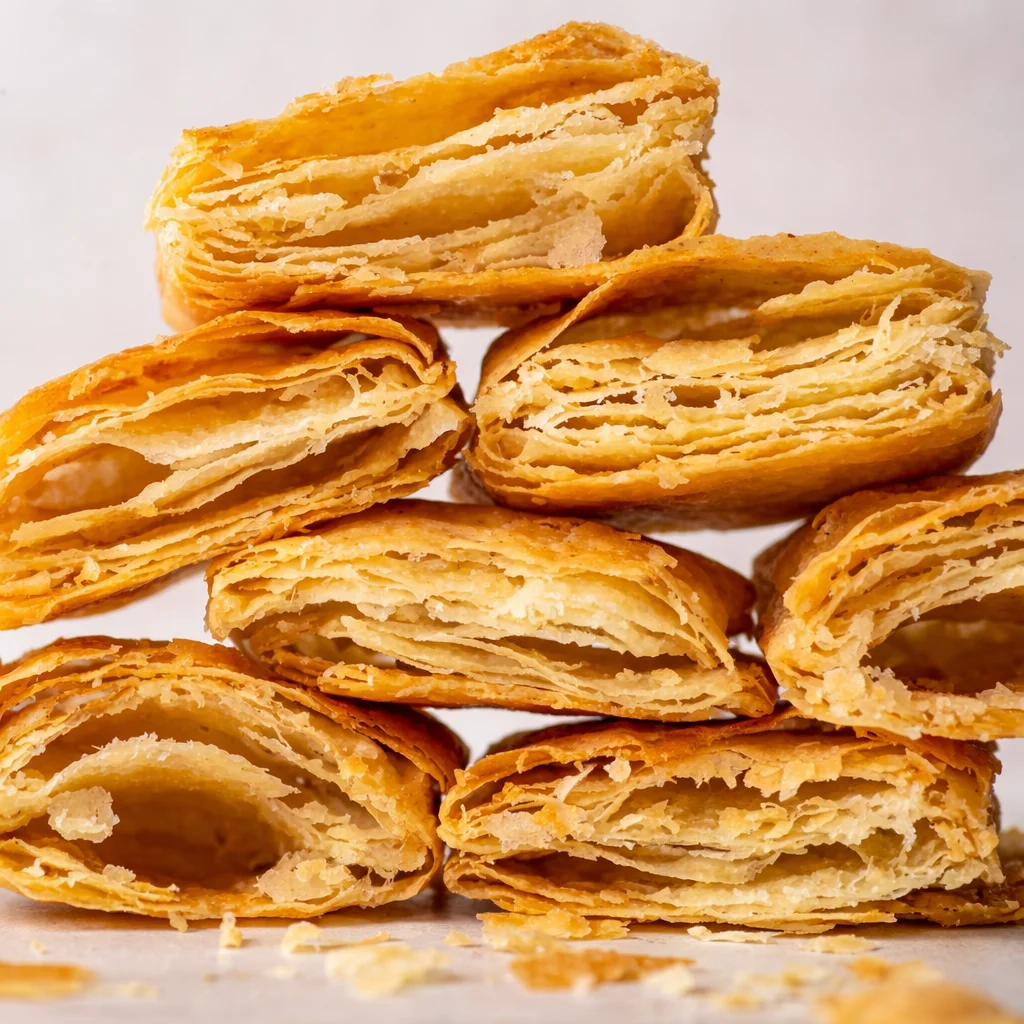
gluten free pastry puff recipe cravings always hit me at the most annoying times, like when I have guests coming over or when I just want something warm and flaky with my coffee. I used to think puff pastry was one of those things I had to give up forever once I stopped eating gluten. Store bought options can be pricey, hard to find, or they bake up kind of stiff. So I started tinkering until I got a version that actually puffs, actually flakes, and doesn’t taste like “diet food.” This is the one I keep coming back to, and I’m really excited to share it with you. 
Why you’ll love this recipe
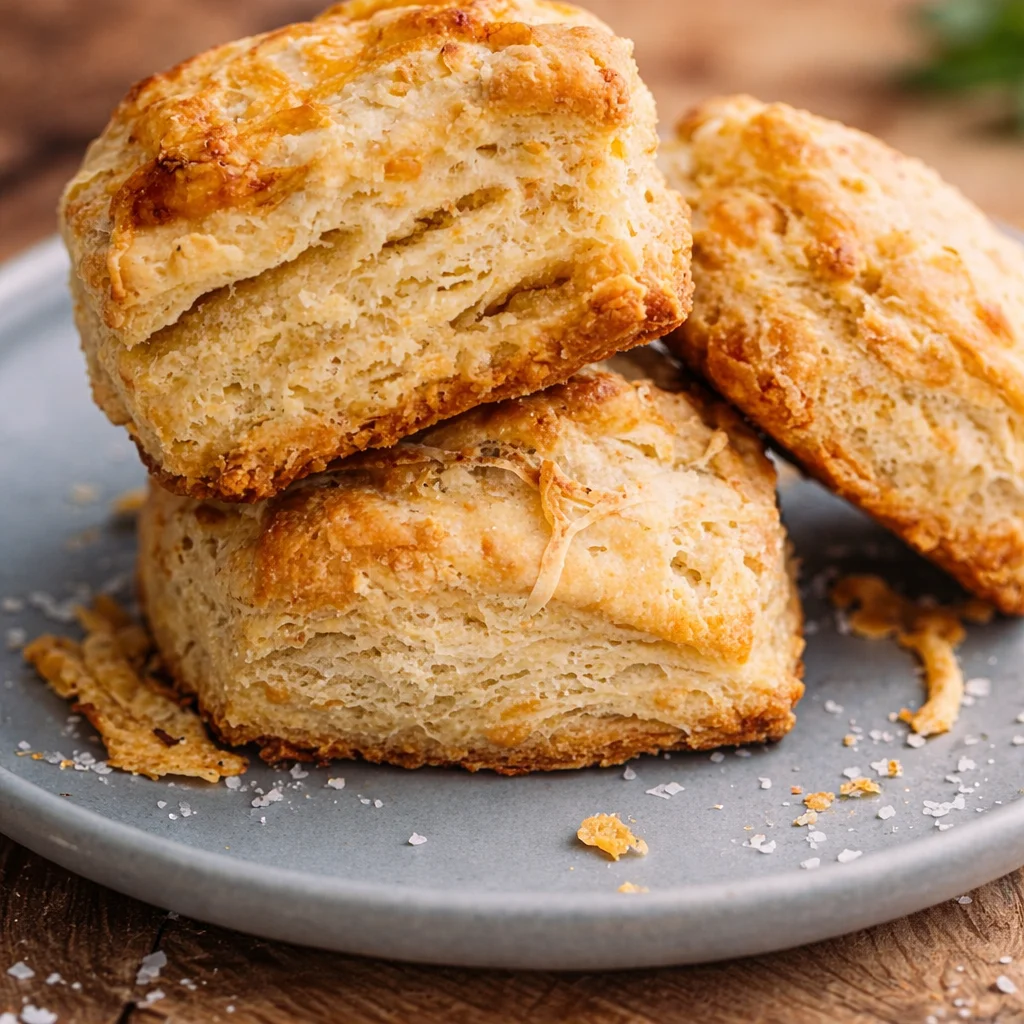
If you miss that shattering, buttery crunch when you bite into a turnover or a pot pie lid, you’re in the right place. This dough gives you layers that bake up light and crisp, with a center that stays tender instead of gummy. It’s not hard, but it does ask for a little patience, and the payoff is totally worth it.
Here’s why I think you’ll be into it:
- Real flaky layers without weird aftertaste
- Simple grocery store ingredients and no specialty equipment
- Works for sweet or savory bakes
- You can make it ahead and keep it in the fridge or freezer
I also love that it makes you feel like you “have your life together,” even if the rest of your day is chaos. There is something weirdly calming about folding dough and knowing future you will get pastries.
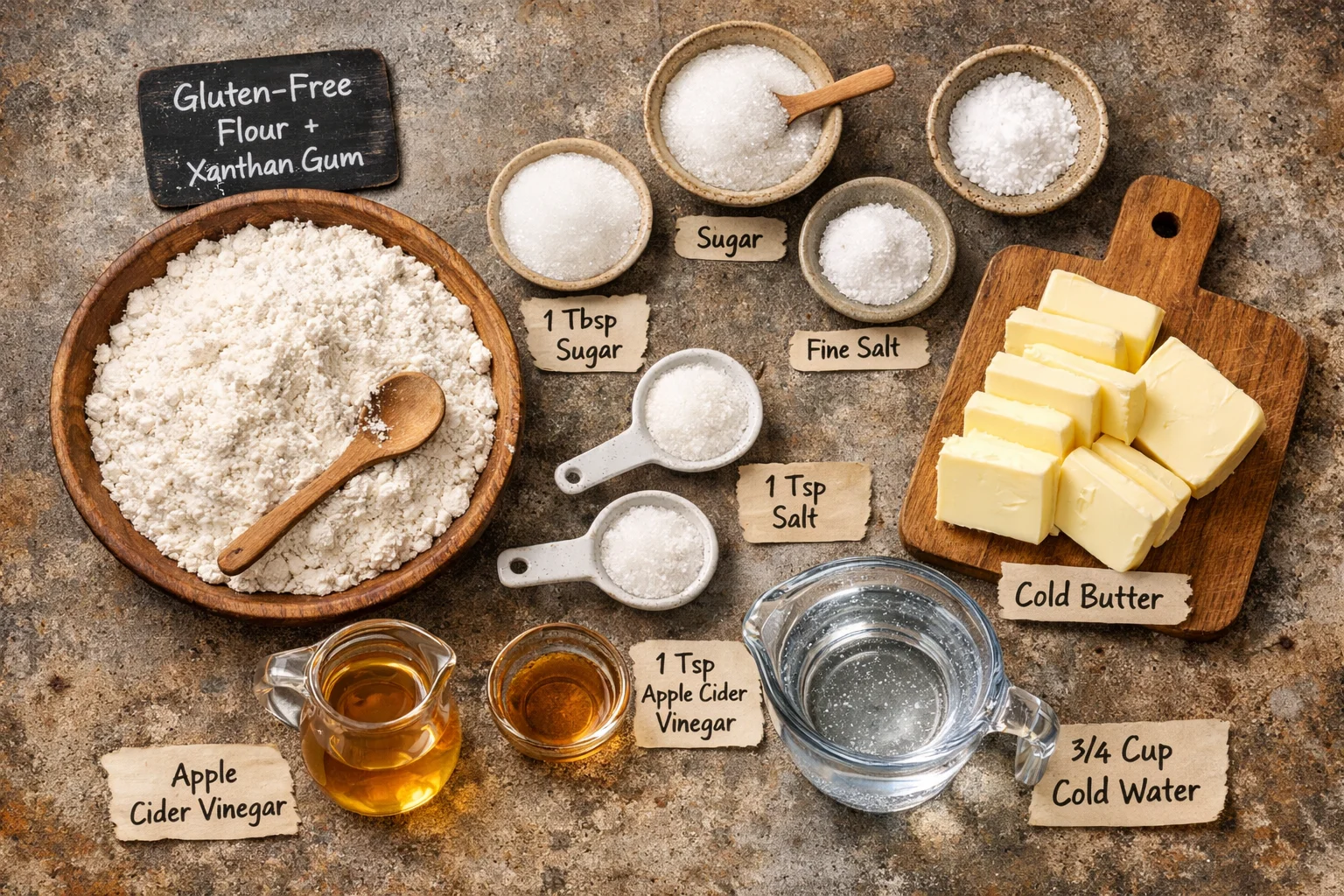
How to make gluten free puff pastry
Let’s talk ingredients and the general game plan. Puff pastry is basically dough plus butter, rolled and folded so the butter creates layers. When it hits the oven, water in the butter turns to steam and pushes those layers apart. Gluten free dough behaves differently, so we support it with a good flour blend and a little extra structure.
What you will need
- 2 and 1/2 cups gluten free all purpose flour blend with xanthan gum (about 300g)
- 1 tablespoon sugar (optional, but helps browning)
- 1 teaspoon fine salt
- 1 teaspoon baking powder (tiny boost, not mandatory but I like it)
- 1 cup very cold unsalted butter (226g), cut into slices for a butter block
- 3/4 cup cold water (start with 1/2 cup and add as needed)
- 1 teaspoon apple cider vinegar or lemon juice (helps tenderness)
- Extra flour for dusting
Flour blend note: I get the best results with a balanced blend that includes rice flour and starches (like tapioca or potato starch). If your blend does not have xanthan gum, add 3/4 teaspoon xanthan gum to the dry ingredients.
Quick step by step
1) Mix the dry ingredients in a big bowl.
2) Add vinegar to your cold water. Pour in half the water and stir. Add more water a splash at a time until the dough looks shaggy but holds together when you press it. It should feel cool and a little firm, not wet.
3) Press the dough into a rough rectangle, wrap it, and chill for 30 minutes. This makes it less sticky and easier to roll.
4) Make a butter block: lay butter slices on parchment into a square, cover with another piece of parchment, and lightly tap and press until you have an even square, about 5 to 6 inches. Chill it until firm but still bendable.
At this stage, you’re setting yourself up for success. Cold dough plus cold butter is what keeps those layers clean instead of melting into one sad blob.
“I made this for spinach feta puff triangles and nobody believed it was gluten free. The layers were legit. I’m printing this recipe.”
Roll and fold the dough (lamination)
This is the part that sounds fancy but is honestly just repeating a simple pattern. Roll, fold, chill. That’s it. If at any point the butter starts to feel soft or greasy, stop and chill. The fridge is your best friend here.
1) On a lightly floured surface, roll the chilled dough into a rectangle about twice the length of your butter block. Aim for edges that are fairly straight, but don’t stress. Rustic is fine.
2) Place the butter block in the center. Fold the dough over it like you’re wrapping a present. Pinch seams to seal the butter inside. If cracks happen, just patch them with a little extra flour and gentle pressing.
3) Roll it into a long rectangle again. You’ll feel bumps of butter at first. Keep going slowly and use gentle pressure. If it cracks, press it back together with your hands and keep rolling.
4) Do a simple letter fold: fold the top third down, then fold the bottom third up, like folding a letter. That is your first fold.
5) Wrap and chill 25 to 30 minutes.
6) Repeat the roll and letter fold 3 more times for a total of 4 folds. Always chill between folds.
By the last fold, the dough should look smoother and roll more easily. You’ll also notice it feels a bit more “together,” which is exactly what we want for this gluten free pastry puff recipe.
When is it ready to use? After the final fold, chill it at least 1 hour before shaping. If you’re not baking the same day, keep it wrapped in the fridge up to 2 days, or freeze it.
Expert Tips
I’ve messed this up enough times to tell you what matters most. These tips are the difference between flaky and frustrating.
Keep everything cold. If your kitchen is warm, chill your rolling pin and even your baking sheet. Butter melting early is the number one puff pastry killer.
Dust flour, but do not drown it. Too much bench flour can make the dough dry. Use just enough to prevent sticking, and brush off extra before folding.
Patch cracks right away. Gluten free dough can crack at the edges. Don’t panic. Press it back together and keep going. A small crack will not ruin your life.
Use a sharp cut. When cutting shapes, press straight down with a knife or cutter. Dragging the blade can seal layers, and sealed layers do not puff as well.
Hot oven, quick bake. Puff pastry likes a fairly hot oven, usually 400 to 425 F for most uses. If you go too low, butter melts out before it lifts the layers.
Egg wash for that bakery look. One egg plus a splash of water, brushed lightly on top only. Try not to drip it down the sides or you can glue the layers shut.
And one more thing that’s not exactly a tip, more like permission: this does not have to look perfect. Even the “messy” batches still taste amazing, and you’ll get better every time you make this gluten free pastry puff recipe.
Ingredient substitutions
I get asked a lot about swaps, so here’s what I’ve tested and what I’d do if you need to adjust.
Dairy free: Use a good quality plant based butter that comes in sticks and is known for baking. It must be firm when chilled. Some spreads are too soft and will melt right out. I’ve had decent results with the firmer vegan butters, but the puff is a bit less dramatic than dairy butter.
Sugar: You can skip it if you’re using the pastry for savory pies or appetizers. I still like 1 tablespoon because it helps with color.
Vinegar or lemon juice: You can leave it out if you have nothing, but I recommend keeping it. It helps the dough stay tender and easier to roll.
Flour blend: Different blends absorb water differently. Start with less water and add slowly. If your blend is heavy on starch, you may need a touch less water. If it’s whole grain heavy, you may need a bit more.
Baking powder: Optional. This recipe relies on lamination for lift, but baking powder gives a tiny assist, especially with gluten free dough.
Once your dough is done, you can use it for so many things: turnovers, cheese straws, pot pie tops, sausage rolls, jam pinwheels, or little cinnamon twists. I’ve even used scraps for “snack crackers” by sprinkling salt and baking them until crisp. Nothing goes to waste in my kitchen when I make this gluten free pastry puff recipe.
Common Questions
Can I make the dough ahead of time?
Yes. Keep it wrapped in the fridge up to 2 days. For longer storage, freeze it well wrapped and thaw overnight in the fridge.
Why did my butter leak out in the oven?
Usually the dough got too warm during rolling, or the oven wasn’t hot enough. Chill the shaped pastries before baking and bake at a higher temperature.
My dough keeps cracking when I roll it. What should I do?
Cracking is common with gluten free dough. Let it sit for 5 minutes so it’s not fridge hard, then roll gently. Patch cracks with your fingertips and a light dusting of flour.
Can I use this for croissants?
You can, but croissants are fussier because of shaping and proofing. This dough is best for simple pastries, turnovers, and pie tops. If you try croissants, keep expectations flexible.
How thick should I roll it for most recipes?
For turnovers and tops, I usually roll to about 1/8 inch. If you want extra crisp layers, go slightly thinner. If you want more bite, go a little thicker.
A flaky little win for your kitchen
If you’ve been missing that buttery crunch, this is your sign to try it. Keep things cold, take your time with the folds, and remember that imperfect layers still bake into something you’ll be proud of. Once you get this dough in your fridge or freezer, quick pastries feel way more doable on a random weeknight. I hope this gluten free pastry puff recipe becomes one of those recipes you rely on when you want something fun and comforting.

Gluten Free Puff Pastry
Ingredients
For the Dough
- 2.5 cups gluten free all purpose flour blend with xanthan gum (about 300g)
- 1 tablespoon sugar (optional, helps browning)
- 1 teaspoon fine salt
- 1 teaspoon baking powder (optional, adds a tiny boost)
- 1 cup very cold unsalted butter (cut into slices for a butter block, about 226g)
- 3/4 cup cold water (start with 1/2 cup and add as needed)
- 1 teaspoon apple cider vinegar or lemon juice (helps tenderness)
- Extra flour for dusting
Instructions
Preparation
- Mix the dry ingredients in a big bowl.
- Add vinegar to your cold water. Pour in half the water and stir. Add more water a splash at a time until the dough looks shaggy but holds together when you press it.
- Press the dough into a rough rectangle, wrap it, and chill for 30 minutes.
- Make a butter block: lay butter slices on parchment into a square, cover with another piece of parchment, and lightly tap and press until you have an even square, about 5 to 6 inches. Chill it until firm but still bendable.
Lamination
- On a lightly floured surface, roll the chilled dough into a rectangle about twice the length of your butter block.
- Place the butter block in the center. Fold the dough over it like you’re wrapping a present. Pinch seams to seal the butter inside.
- Roll it into a long rectangle again. If it cracks, press it back together with your hands and keep rolling.
- Do a simple letter fold: fold the top third down, then fold the bottom third up, like folding a letter.
- Wrap and chill for 25 to 30 minutes.
- Repeat the roll and letter fold 3 more times for a total of 4 folds.
- After the final fold, chill it for at least 1 hour before shaping.