

As someone who delights in the world of gluten-free baking, I can’t tell you how thrilled I am to share my collection of the most mouthwatering sourdough recipes that everyone can enjoy gluten-free or not! Whether you’re in the mood for soft dinner rolls, indulgent brownies, or warm, flaky biscuits, this roundup has something to satisfy every craving. Explore these delightful recipes that not only tantalize the taste buds but also let you use your leftover sourdough starter creatively. Get ready to uplift your gluten-free baking game and impress your family and friends with these scrumptious creations!
1. Deliciously Soft Gluten-Free Sourdough Dinner Rolls You’ll Love
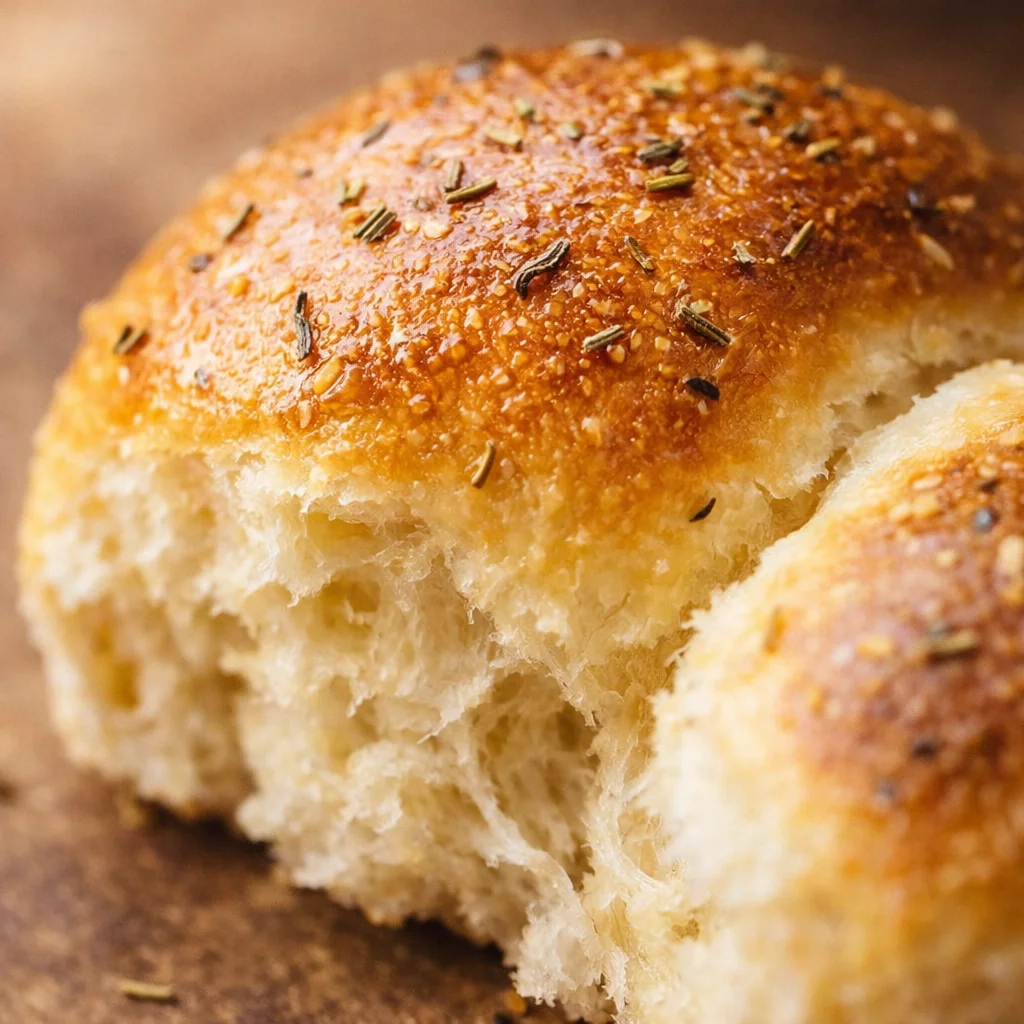
Imagine a dinner table adorned with warm, fluffy rolls that everyone can enjoy—no gluten required! These Deliciously Soft Gluten-Free Sourdough Dinner Rolls are not just a delightful addition to any meal; they’re the perfect solution for using up that extra sourdough starter lingering in your kitchen. Say goodbye to dense, tasteless gluten-free bread and hello to rolls that are wonderfully soft, tender, and bursting with flavor. Whether you’re pairing them with soup or enjoying them on their own, these rolls are a must-try for anyone seeking comfort food that caters to dietary needs. Dive in to discover how to whip up this magical recipe!
2. Indulgent Gluten-Free Sourdough Brownies You’ll Adore
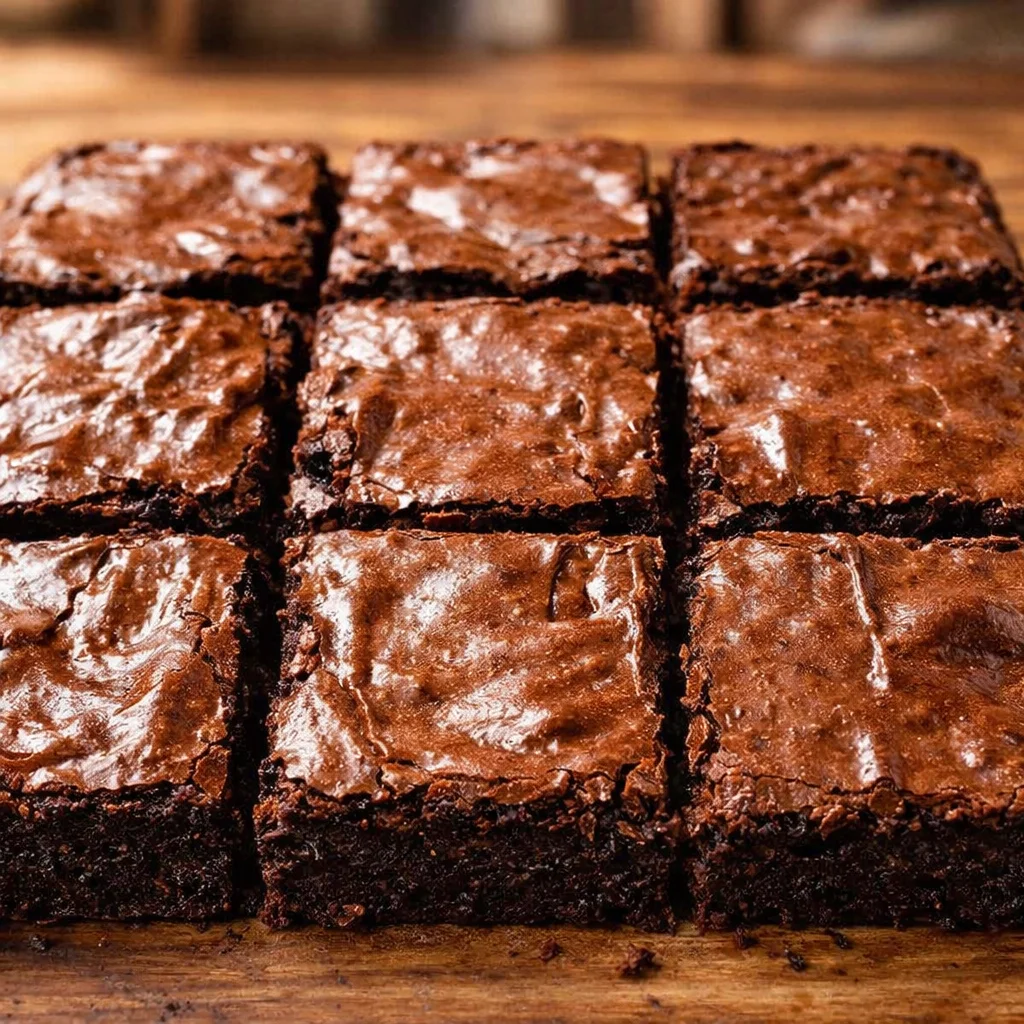
If you’ve ever found yourself with leftover sourdough discard and a craving for something chocolatey, you’re in for a treat! These indulgent Gluten-Free Sourdough Brownies are not only a delightful way to use up that discard, but they also promise a fudgy, rich experience that will have you coming back for more. In this collection, you’ll discover how to create mouthwatering desserts that feel special, making it easy to satisfy your sweet tooth while minimizing waste. Dive into this delicious journey and transform your sourdough discard into a crowd-pleasing dessert you can’t resist!
3. Warm and Flaky Gluten-Free Sourdough Biscuits You’ll Love
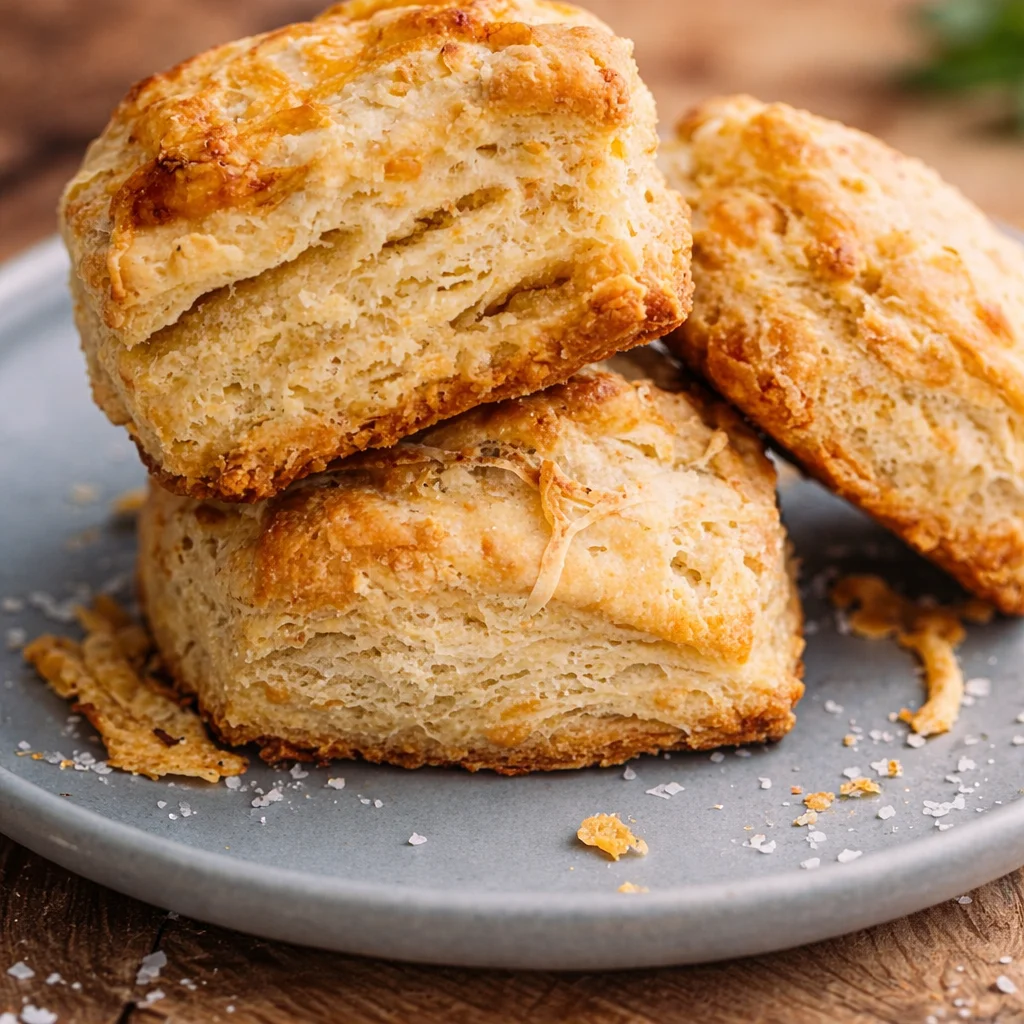
If you’re tired of breakfast options that require too much time or hassle, these Warm and Flaky Gluten-Free Sourdough Biscuits are about to become your new go-to! Perfect for those mornings when you crave something comforting yet easy to whip up, these biscuits utilize any leftover gluten-free sourdough starter you might have hanging around. Not only are they a delicious way to reduce waste, but they also make for a delightful addition to your breakfast routine. Say goodbye to kneading and rising dough—dive into this easy recipe and discover how quickly you can enjoy warm, flaky biscuits with minimal fuss!
4. Deliciously Easy Gluten-Free Sourdough Pizza Crust Recipe
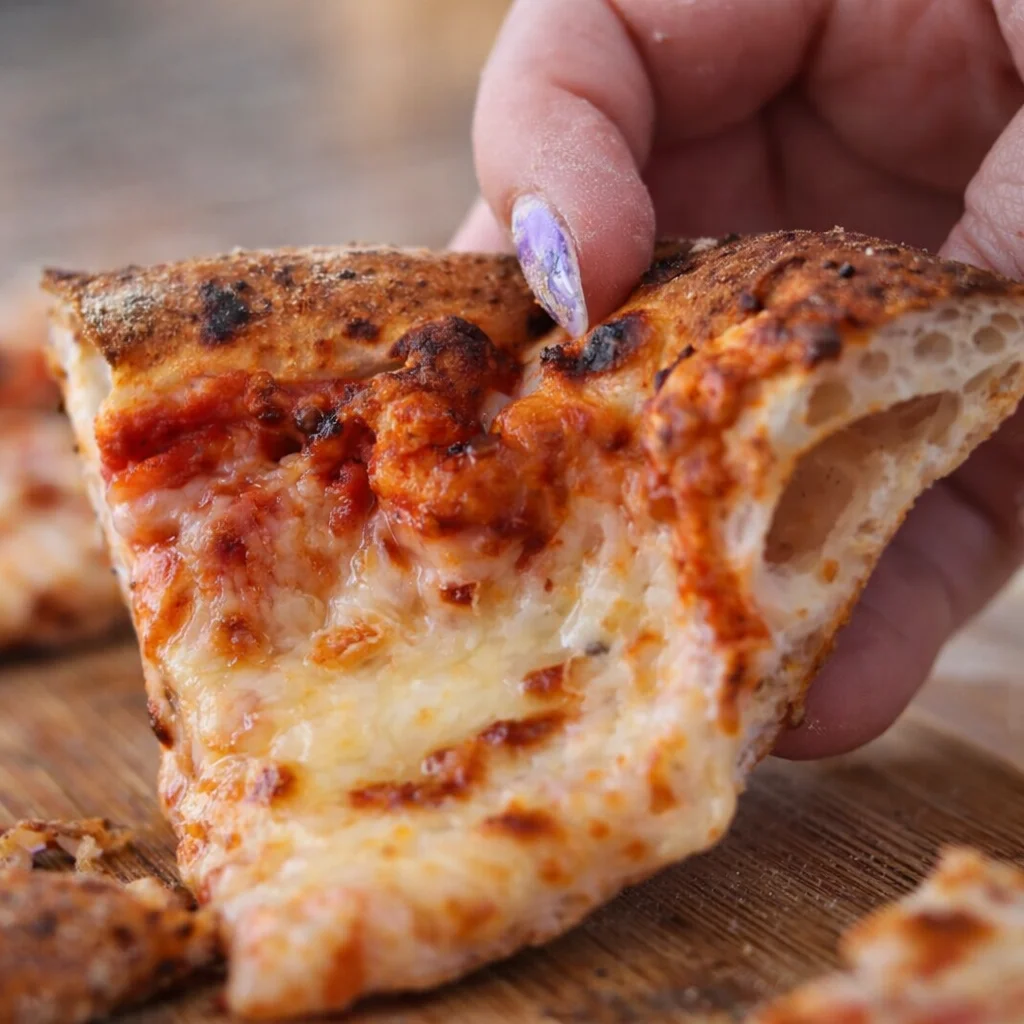
Are you tired of the same old gluten-free pizza crust that leaves you feeling more sad than satisfied? Look no further! This easy gluten-free sourdough pizza crust recipe not only transforms your sourdough discard into a delightful crust that’s tangy and chewy, but it also takes the stress out of pizza night. With this foolproof method, you can whip up a pizza that rivals any pizzeria, making it a must-try for gluten-free enthusiasts and sourdough lovers alike. Ready to elevate your pizza game? Dive into the recipe and discover the deliciousness that awaits!
5. Deliciously Easy Gluten-Free Sourdough Banana Bread Recipe
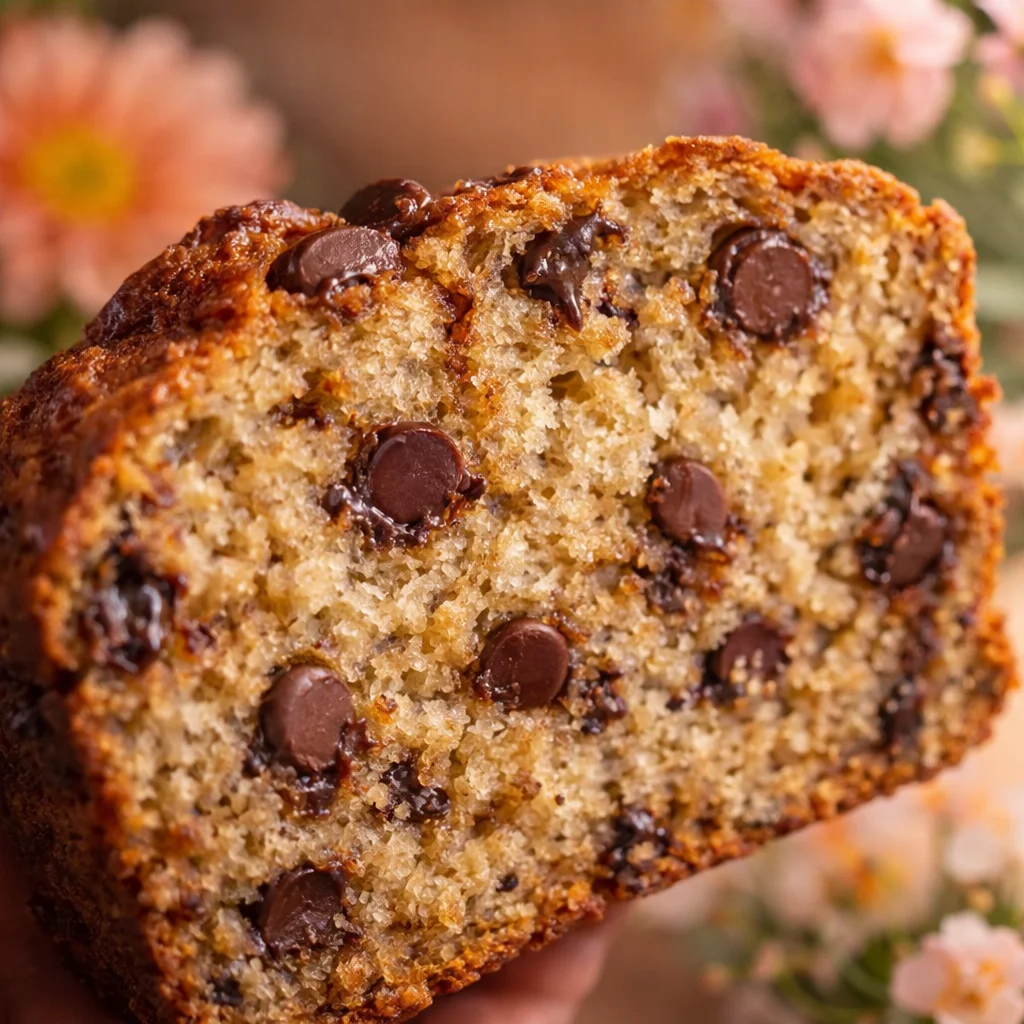
If you’re tired of gluten-free banana bread that’s either too gummy or dry, you’re in for a real treat! This easy Gluten-Free Sourdough Banana Bread recipe transforms spotty bananas and leftover sourdough starter into a tender, tangy delight that you’ll want to slice into again and again. Not only does it banish waste with its clever use of discard, but it also delivers on flavor, making it the perfect addition to your gluten-free baking repertoire. Dive in and discover how to whip up a moist loaf that will have everyone coming back for more!
6. Deliciously Easy Gluten-Free Sourdough Discard Waffles
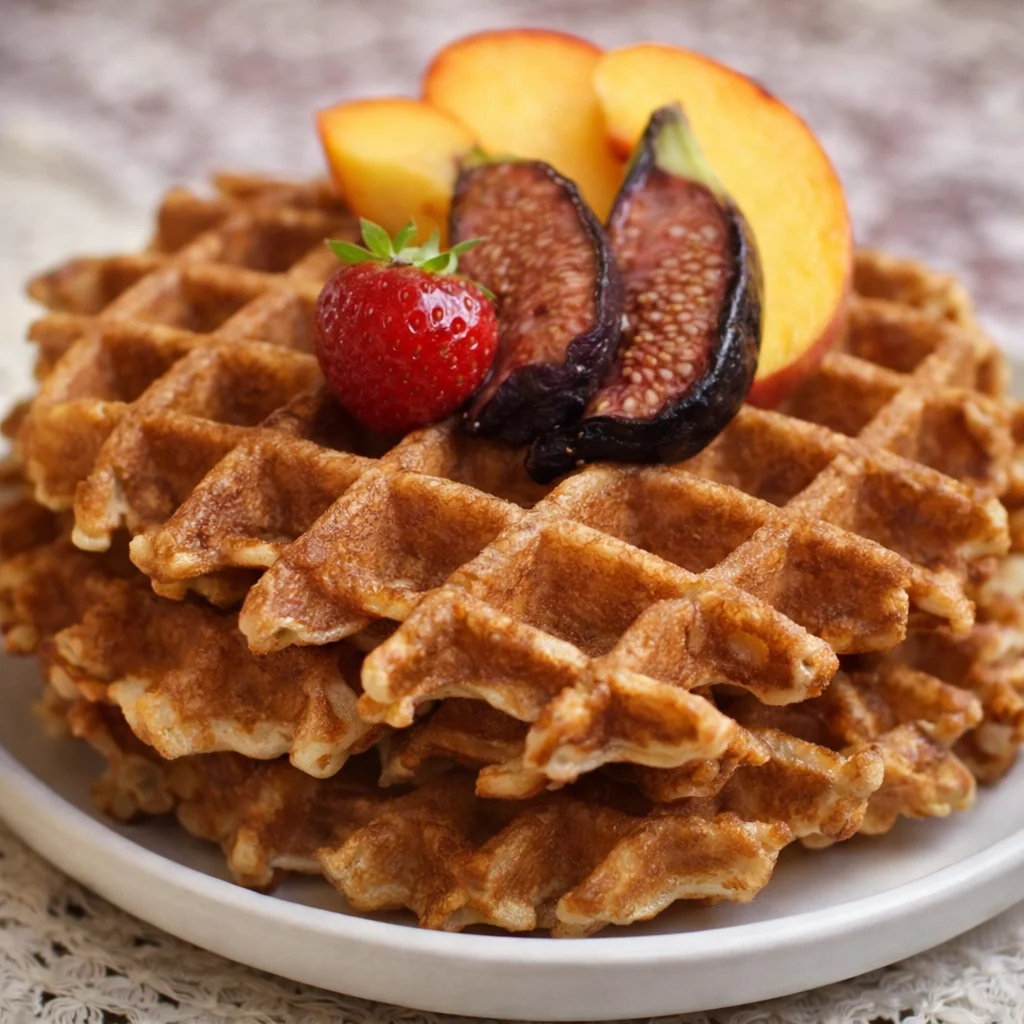
Are you tired of tossing out your gluten-free sourdough discard? Transform that tangy jar of leftovers into something scrumptious and satisfying with these easy Gluten-Free Sourdough Discard Waffles! Perfect for breakfast or brunch, these waffles are not only delicious but also a creative way to reduce waste and give your discard a delightful second life. Dive into this article to discover how you can whip up fluffy, cozy waffles that feel a little fancy without any fuss, and check out more inventive discard recipes to keep your kitchen journey exciting!
7. Deliciously Easy Gluten-Free Sourdough Flatbread Recipe
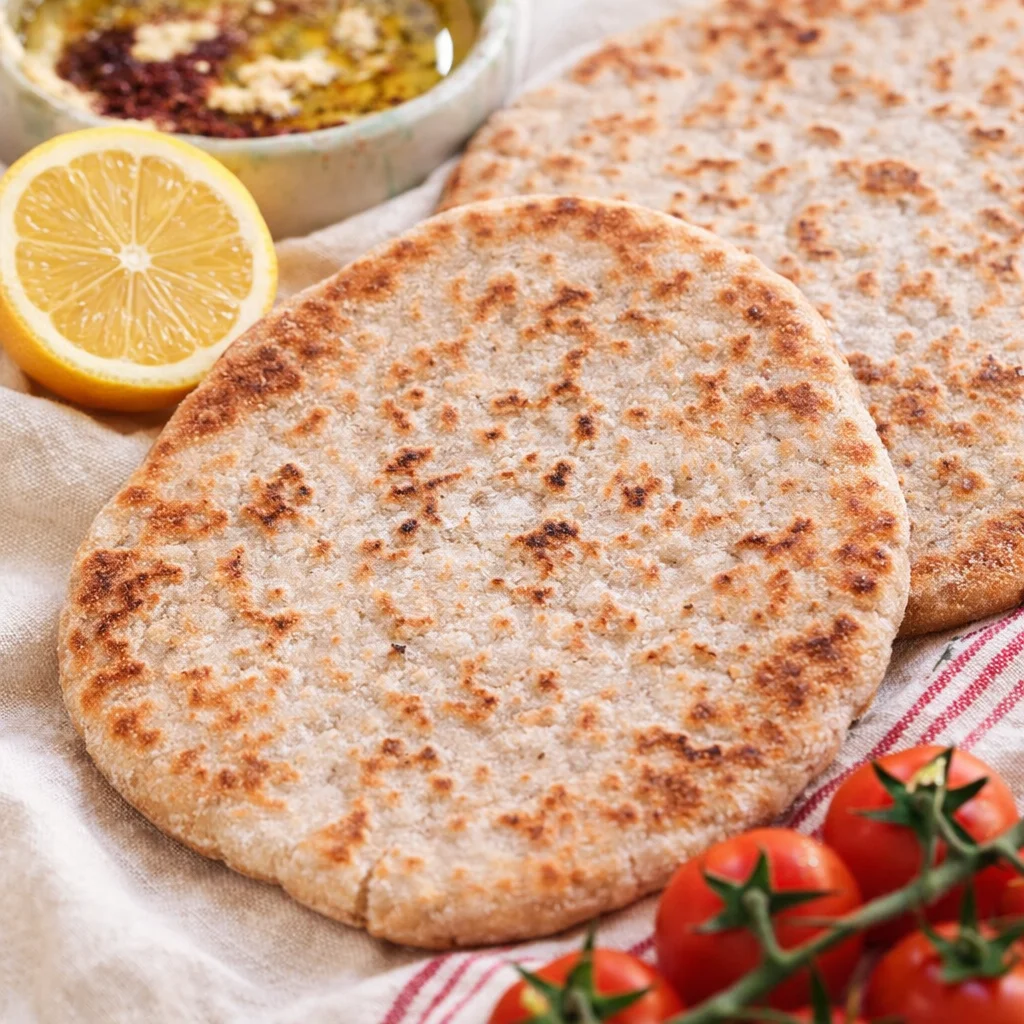
If you’re craving something warm, bready, and gluten-free without the hassle of traditional baking, you’re in for a treat! This Deliciously Easy Gluten-Free Sourdough Flatbread recipe is not just a lifesaver for using up that pesky sourdough discard, but it also delivers a flexible and scrumptious option that fits any meal. Whether you’re a seasoned home cook or a beginner in the kitchen, this flatbread is your ticket to quick, satisfying, and guilt-free snacking. Dive into the article for a straightforward guide that transforms your sourdough starter into delicious flatbread you can enjoy any time of the day!
8. Deliciously Easy Gluten-Free Sourdough Discard Muffins to Try
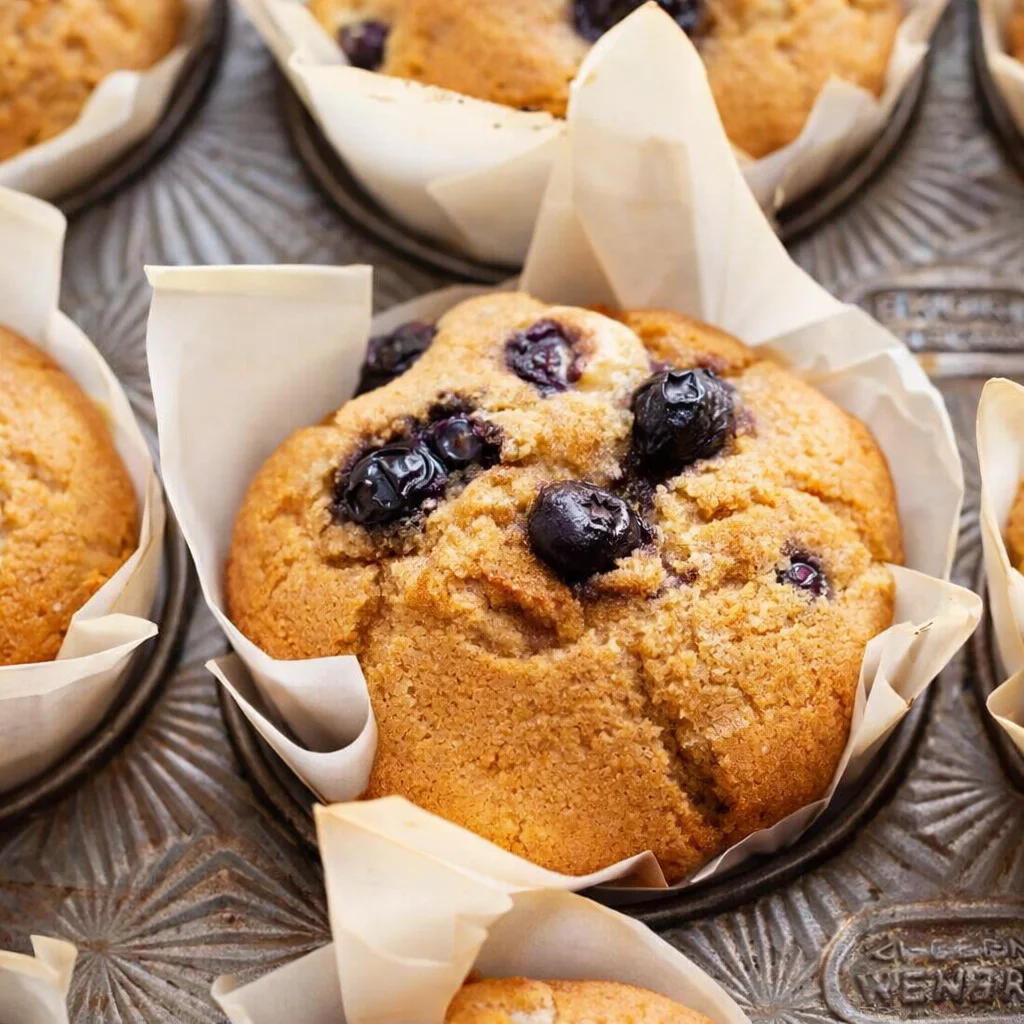
If you’re a sourdough enthusiast, you know the struggle of managing discard. Fear not—Gluten-Free Sourdough Discard Muffins are here to save the day! These delightful treats not only help you reduce waste but also offer a quick and satisfying baking experience. With just a few simple tricks up your sleeve, you can whip up inviting muffins that will become a staple in your kitchen. Ready to transform that leftover sourdough into something delicious? Dive into the full article for easy recipes and pro tips that will make baking with discard a breeze!
9. Deliciously Crunchy Gluten-Free Sourdough Discard Crackers
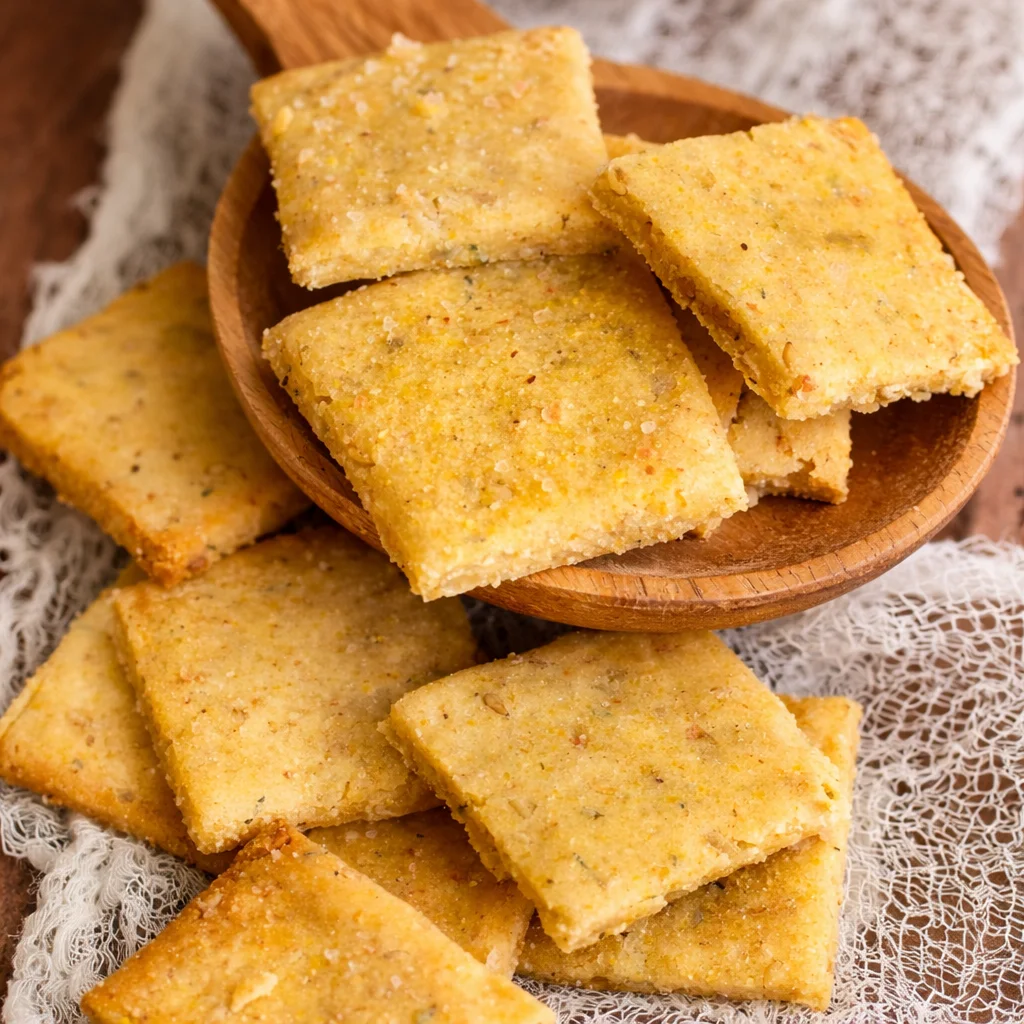
If you’ve ever stared at your leftover sourdough discard and thought, “What do I do with this?” then you’re in for a treat! These Deliciously Crunchy Gluten-Free Sourdough Discard Crackers are a creative and tasty solution to that common dilemma. With just a few simple steps — stir, roll, bake — you can transform that discard into a delightful snack that satisfies your crunch cravings. Plus, they’re a fabulous way to embrace sustainability in your kitchen while enjoying a guilt-free munch. Ready to elevate your sourdough game? Dive into the recipe and discover how easy it is to turn waste into a gourmet treat!
10. Deliciously Light Gluten-Free Sourdough Discard Pancakes
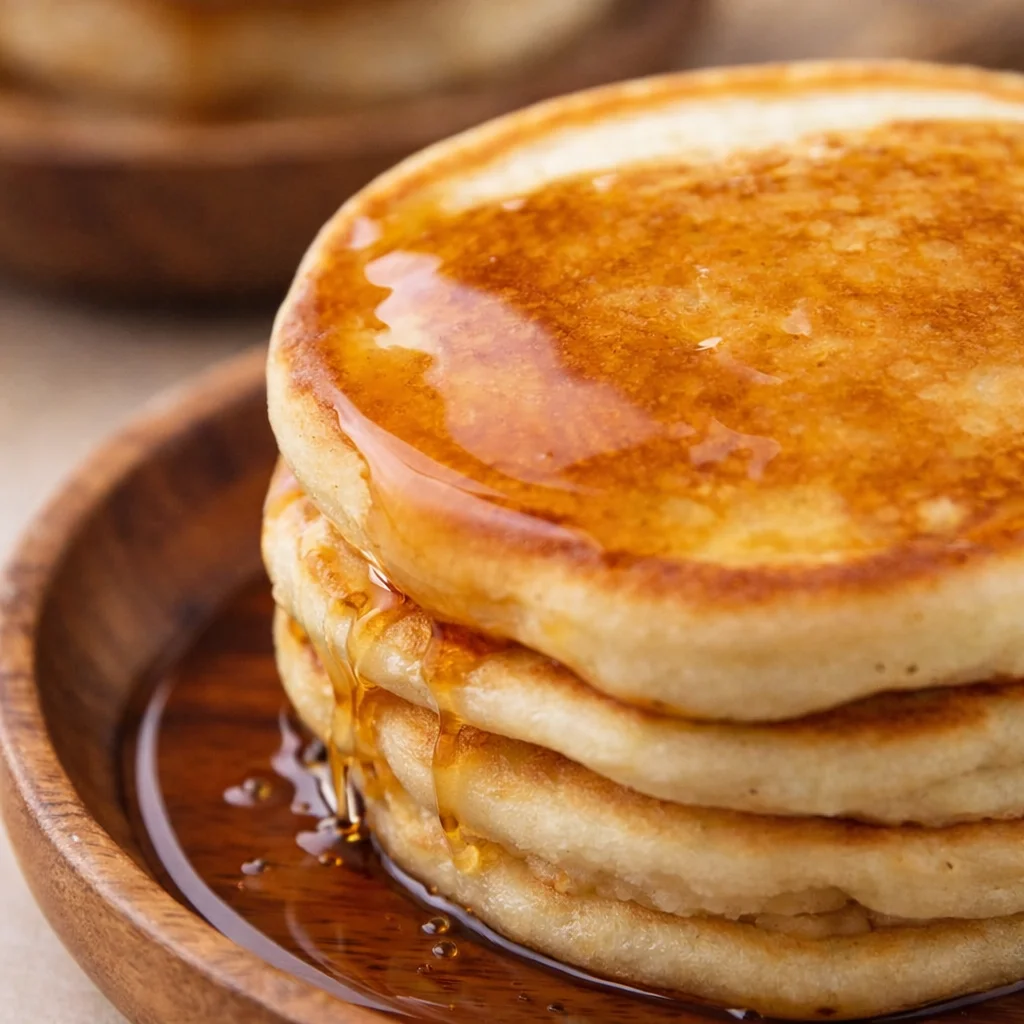
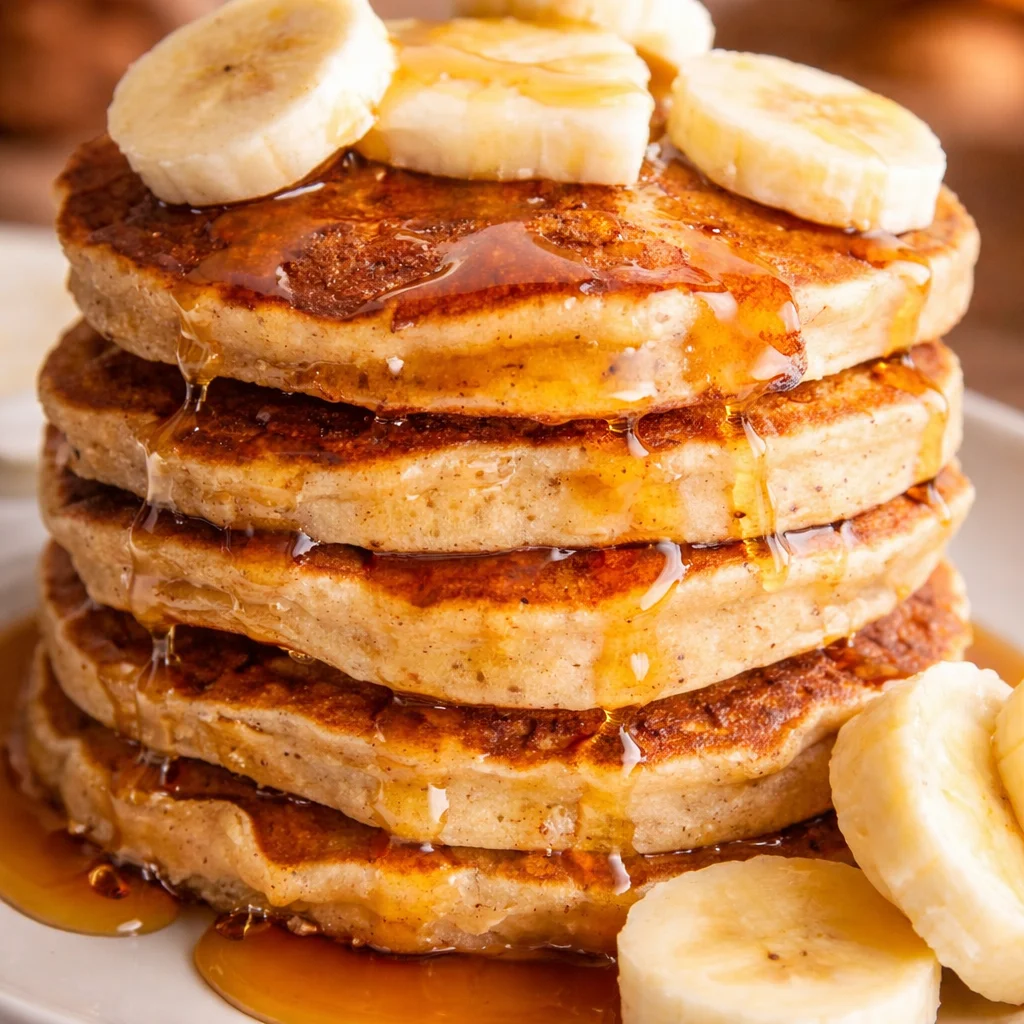
If you’re anything like me, that jar of sourdough discard can feel like both a treasure and a burden! Luckily, I’ve discovered the perfect solution: Deliciously Light Gluten-Free Sourdough Discard Pancakes. These delightful pancakes are not only the ultimate brunch treat for those lazy weekends, but they also let you redeem that often-overlooked discard in a delicious way—without leaving you in a food coma. Dive into this recipe and learn how to transform your discard into fluffy, mouthwatering pancakes that will have you looking forward to breakfast like never before!



2 thoughts on “Best 10 Gluten-Free Sourdough Recipes for Every Craving”