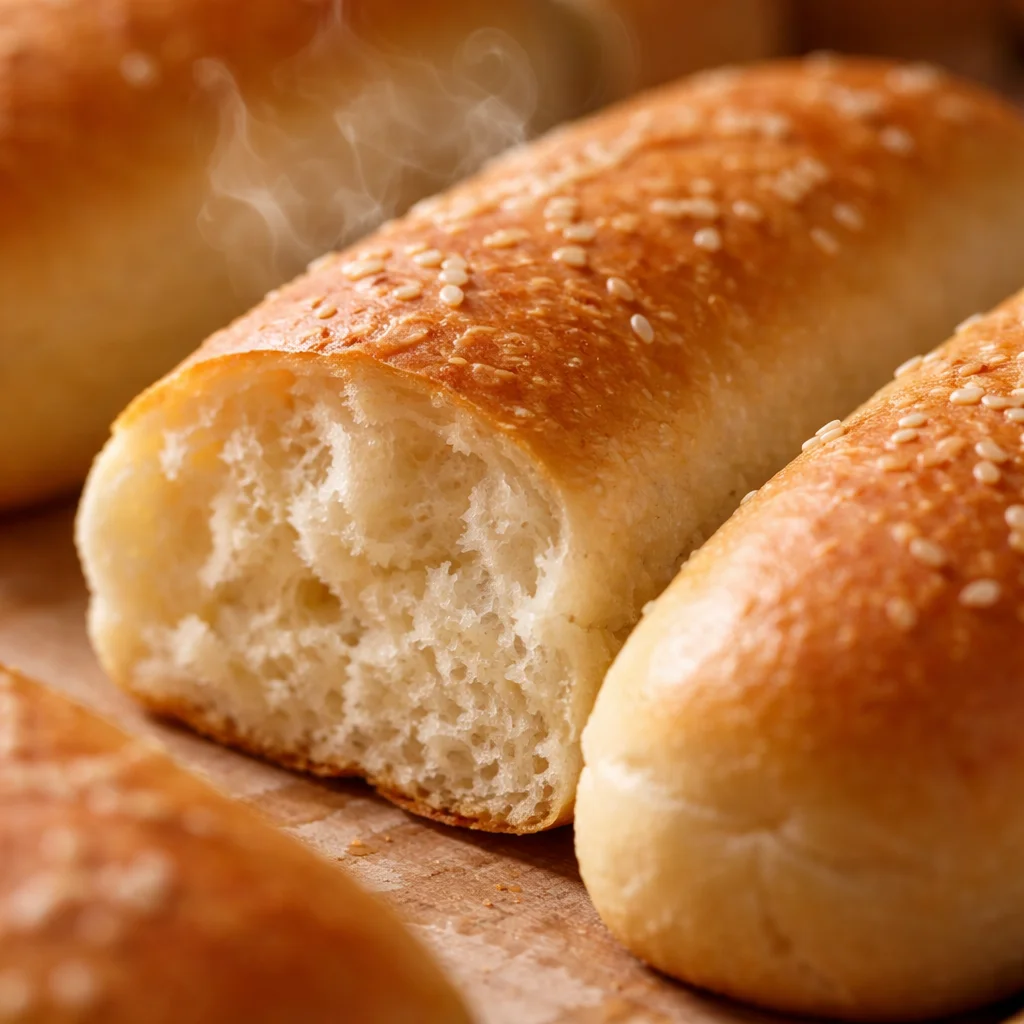
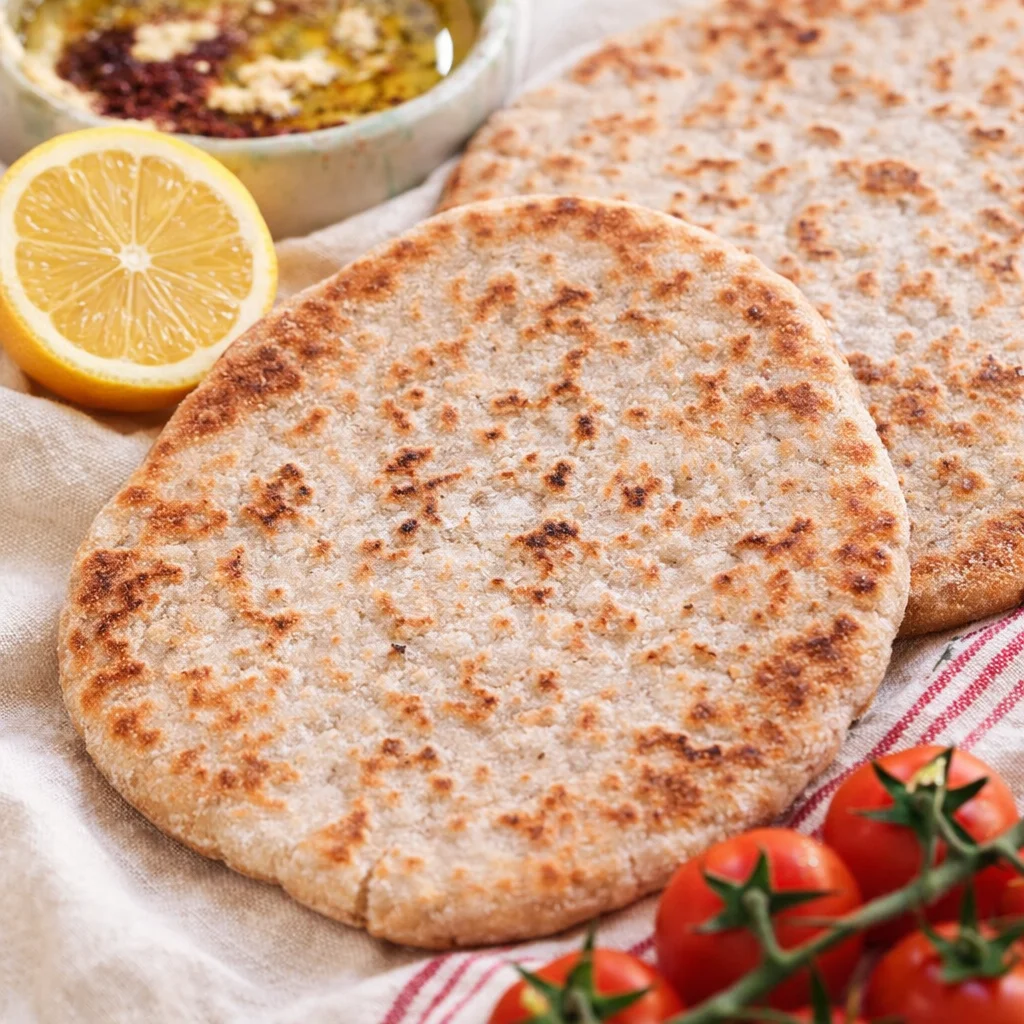
Gluten-Free Sourdough Flatbread is my go to move when I want something warm and bready without turning my kitchen into a full on baking project. If you keep a starter on the counter, you already know the mini guilt of tossing discard, so I started leaning on quick flatbreads to use it up. I’ve pulled a bunch of ideas from my own trial and error, plus I keep bookmarking helpful roundups like gluten-free sourdough discard recipes whenever I need fresh inspiration. This recipe is simple, flexible, and honestly pretty forgiving, even if your starter is a little sleepy. And the best part is you can cook these in a skillet in minutes, then pile them with whatever you love.
Why You Will Love This Recipe
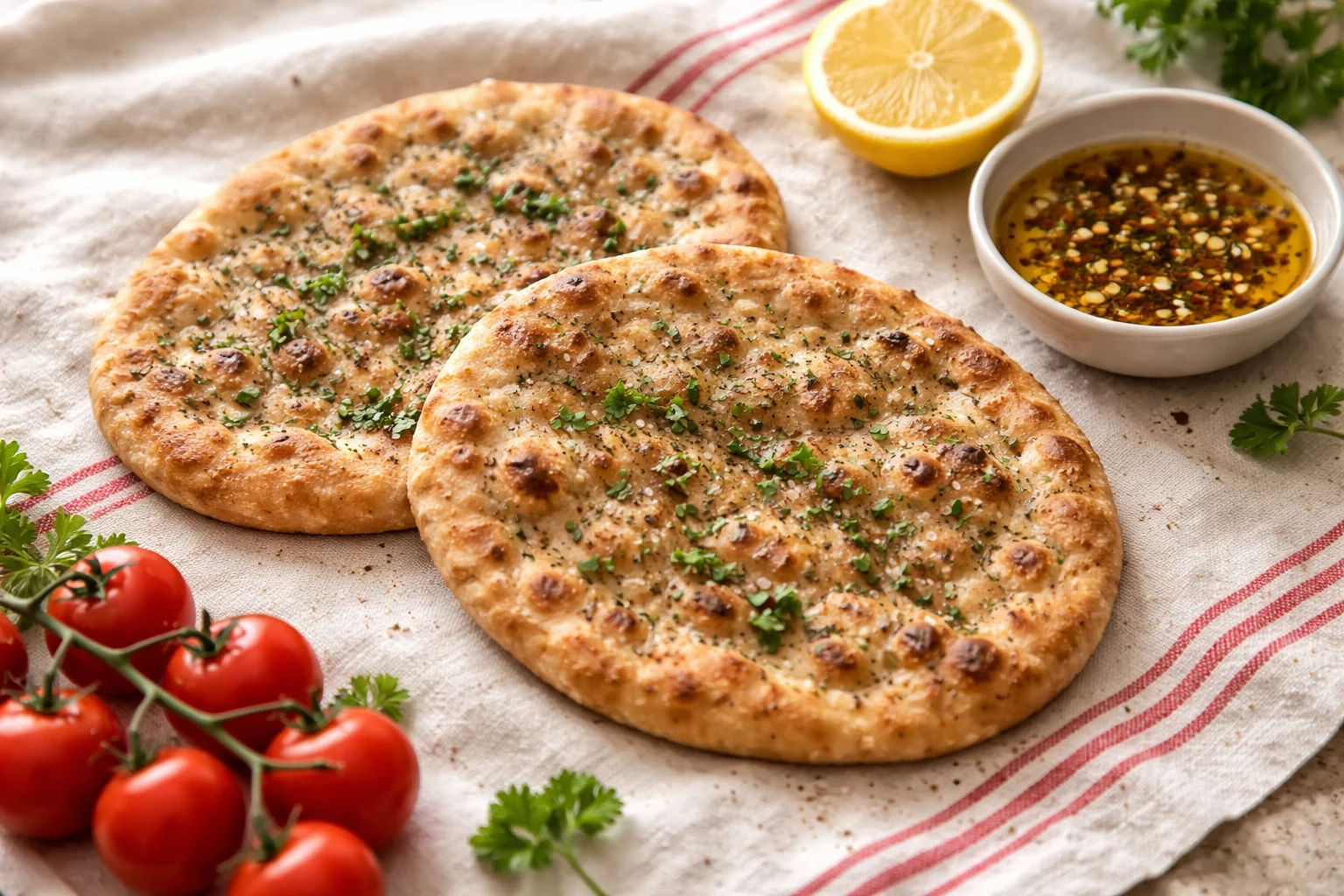
I’m not saying this replaces every bread in your life, but it’s the kind of recipe that makes gluten free eating feel less complicated. It’s cozy, tangy, and you can make it on a random weeknight without planning ahead for hours.
Here’s why it keeps showing up in my kitchen:
- Quick cooking: no oven needed, just a hot pan.
- Great for discard: perfect when your jar is getting full.
- Soft and bendy: ideal for wraps, dipping, or mini pizzas.
- Easy to customize: go plain, garlicky, herby, or even a little spicy.
- Beginner friendly: you don’t need fancy shaping skills.
Also, if you’re building a gluten free bread habit, it helps to have options. I like browsing collections like best gluten-free bread recipes to bake today so I don’t get stuck making the same thing every week.
;
What Is A Sourdough Starter?
If you’re new here, a sourdough starter is basically a living mix of flour and water that has natural yeast and good bacteria. It ferments on your counter and helps dough rise, but for flatbread, we’re not chasing a big puffy loaf situation. We’re mostly using starter for flavor, tenderness, and that gentle tang that makes everything taste more interesting.
Gluten free starter in real life terms
A gluten free starter works the same way as a wheat one, just with gluten free flour. It can be made with rice flour, sorghum, or a blend, and it still bubbles when it’s active. When you feed it, it grows. When you don’t need that much, you remove some, and that removed portion is called discard.
Active starter vs discard for this flatbread
You can use either one for Gluten-Free Sourdough Flatbread, and that’s why I love it. If your starter is active and bubbly, you might get a little more lift. If it’s discard from the fridge, you’ll still get great flavor, just slightly less puff. Either way, the skillet does most of the work.
And if you’re in a big discard phase, I’ve also enjoyed scrolling through this helpful roundup of gluten-free sourdough discard recipes because it’s packed with ideas that don’t feel fussy.
Creative Uses for Your Flatbreads
Once you make a stack, you’ll find ways to use them all day. I’ve eaten these standing at the counter with butter and salt and called it lunch. No shame.
My favorite ways to serve them
Try any of these and see what becomes your regular:
1) Wraps and sandwiches
Fill with turkey, crunchy lettuce, and a quick mayo mustard thing. Or go veggie with hummus and cucumbers.
2) Dip scooper
Tear into triangles and serve with soup, chili, or a simple olive oil and herbs dip.
3) Flatbread pizza
Quick sauce, mozzarella, and whatever toppings you have. A few minutes in a covered skillet or toaster oven and it’s dangerously snackable.
4) Breakfast situation
Scrambled eggs, avocado, hot sauce. Or turn it sweet with nut butter and banana.
These also pair so well with comfort food. If you’re a soup person, you might like something cozy like comforting gluten-free chicken soup for cozy nights on the side.
Tips and Tricks for Perfect Gluten-Free Sourdough Flatbreads
Gluten free dough acts different, so I’m going to save you a few headaches. My first batch ever was sticky, tore in half, and I still ate them. But now I do a couple small things that make a huge difference.
The actual recipe I use
I keep this simple, and I recommend you do too the first time. Then you can tweak.
What you will need:
- 1 cup gluten free sourdough starter (active or discard)
- 1 cup gluten free all purpose flour blend (with xanthan gum if possible)
- 2 to 4 tablespoons plain yogurt or dairy free yogurt (helps softness)
- 1 to 2 tablespoons olive oil
- 1 teaspoon salt
- Optional: 1 teaspoon baking powder for extra puff
- Warm water as needed, usually 1 to 3 tablespoons
Directions:
1) In a bowl, mix starter, flour, yogurt, olive oil, and salt. Add baking powder if using.
2) Stir until a dough forms. It should be soft and workable, not soupy. Add a tiny splash of water if it looks dry. Add a sprinkle of flour if it’s wildly sticky.
3) Let it rest for 10 to 15 minutes. This helps the flour hydrate and makes shaping less annoying.
4) Divide into 6 pieces. With lightly oiled hands, press each piece into a round. I like about 1 quarter inch thick.
5) Heat a skillet on medium to medium high. Add a little oil.
6) Cook each flatbread 2 to 3 minutes per side. Look for light browning and a few bubbles. If it’s browning too fast, lower the heat so the middle cooks through.
7) Stack them in a clean towel to keep them soft while you finish the rest.
My best real life tips:
Rest the dough. This one step makes gluten free dough less gritty and more flexible.
Oil your hands instead of adding lots of extra flour. Too much flour can make them dry.
Don’t crank the heat. Medium heat gives you a soft center and a nice outside.
Cover the pan for extra softness. If you want them more pliable, cover the skillet for 30 seconds on the first side to trap steam.
Salt matters. Flatbread without enough salt tastes like a missed opportunity.
If you’re serving these with a full dinner, I’m also a fan of easy comfort recipes like best 17 easy gluten-free dinners when I don’t want to overthink the rest of the meal.
How to Store Gluten-Free Sourdough Flatbread
These are best warm, like most good bread things. But you can absolutely store them and still be happy tomorrow.
Room temperature: Keep them in a sealed container or bag for up to 1 day. I like to let them cool first so they don’t get gummy.
Fridge: Store up to 4 days. Reheat in a dry skillet for 30 to 60 seconds per side. That brings back the soft texture way better than the microwave.
Freezer: Freeze with parchment between each one so they don’t stick together. They’ll keep about 2 months. Reheat straight from frozen in a covered skillet on low, then raise heat to finish.
Little tip: If they feel a bit stiff after chilling, a tiny brush of water on the surface before reheating helps. Not a lot, just a quick swipe.
Common Questions
Can I make Gluten-Free Sourdough Flatbread without yogurt?
Yes. You can swap in unsweetened applesauce, mashed avocado for a savory vibe, or just use a bit more olive oil. Yogurt just makes them a little softer.
Why is my dough super sticky?
Gluten free dough can be sticky, especially with starter. Oil your hands and let it rest. If it’s still unmanageable, add a tablespoon of flour at a time until it’s workable.
Do I need baking powder if I have sourdough starter?
Nope. Baking powder is optional. It helps if your starter is cold discard or not very active, but the flatbread will still cook up fine without it.
Can I make the dough ahead?
You can mix it and store it covered in the fridge for up to 24 hours. Let it sit at room temp for 20 minutes before shaping so it’s not stiff.
How do I keep them soft for serving?
Stack them and wrap in a clean towel. That little bit of trapped steam keeps them tender while you cook the rest.
A cozy little send off (and a nudge to try it)
If you’ve been craving something simple and comforting, Gluten-Free Sourdough Flatbread is honestly one of the best low effort wins I know. Use active starter if you have it, use discard if that’s what’s around, and don’t stress the shaping. Once you get your heat right, the rest is easy and kind of fun. If you want to compare another home cook’s take, check out Gluten-Free Sourdough Flatbread (Naan) – Natasha’s Home for more ideas. Now go make a warm stack, tear one right away, and tell yourself you’ll save the rest for later.
Gluten-Free Sourdough Flatbread
Ingredients
Main Ingredients
- 1 cup gluten free sourdough starter (active or discard) Provides flavor and tenderness
- 1 cup gluten free all purpose flour blend (with xanthan gum if possible) For structure
- 2-4 tablespoons plain yogurt or dairy free yogurt Helps with softness
- 1-2 tablespoons olive oil Adds moisture
- 1 teaspoon salt For flavor
- 1 teaspoon baking powder (optional) For extra puff
- 1-3 tablespoons warm water As needed to adjust texture
Instructions
Preparation
- In a bowl, mix starter, flour, yogurt, olive oil, and salt. Add baking powder if using.
- Stir until a dough forms. It should be soft and workable, not soupy. Add a tiny splash of water if it looks dry; add a sprinkle of flour if it’s too sticky.
- Let it rest for 10 to 15 minutes.
- Divide into 6 pieces. With lightly oiled hands, press each piece into a round about 1/4 inch thick.
Cooking
- Heat a skillet on medium to medium-high. Add a little oil.
- Cook each flatbread for 2 to 3 minutes per side until light brown with a few bubbles.
- Stack them in a clean towel to keep them soft while finishing the rest.