Skip to content
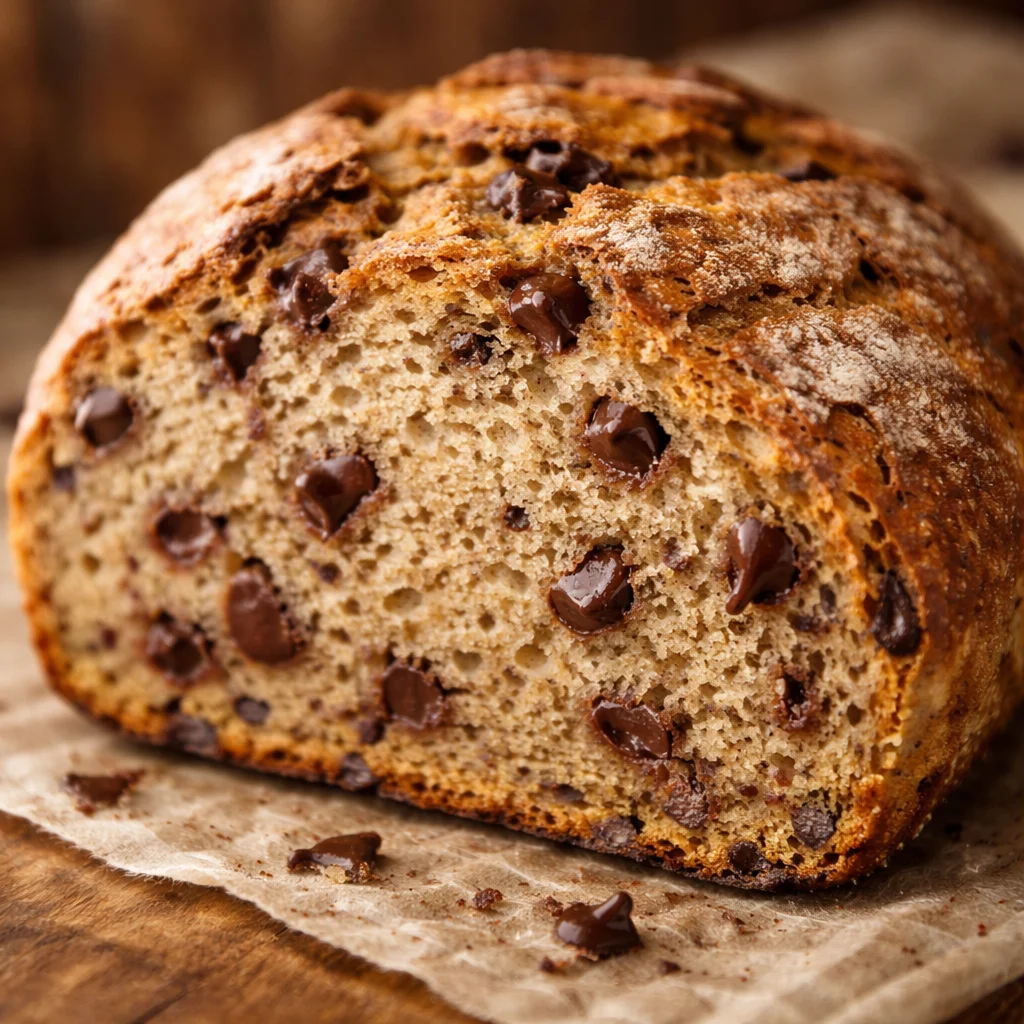
gluten free bread recipe for bread maker nights used to stress me out because I would crave a warm slice of bread, but I did not want to babysit dough or gamble on a weird gummy loaf. If you have a bread machine sitting on your counter, you are already halfway to a really good, everyday gluten free loaf. I am talking soft in the middle, lightly crisp on the outside, and actually great for sandwiches the next day. This is the recipe I make when I want bread that feels normal, not like a special project. Let me walk you through it like a friend in your kitchen, because you can totally pull this off.
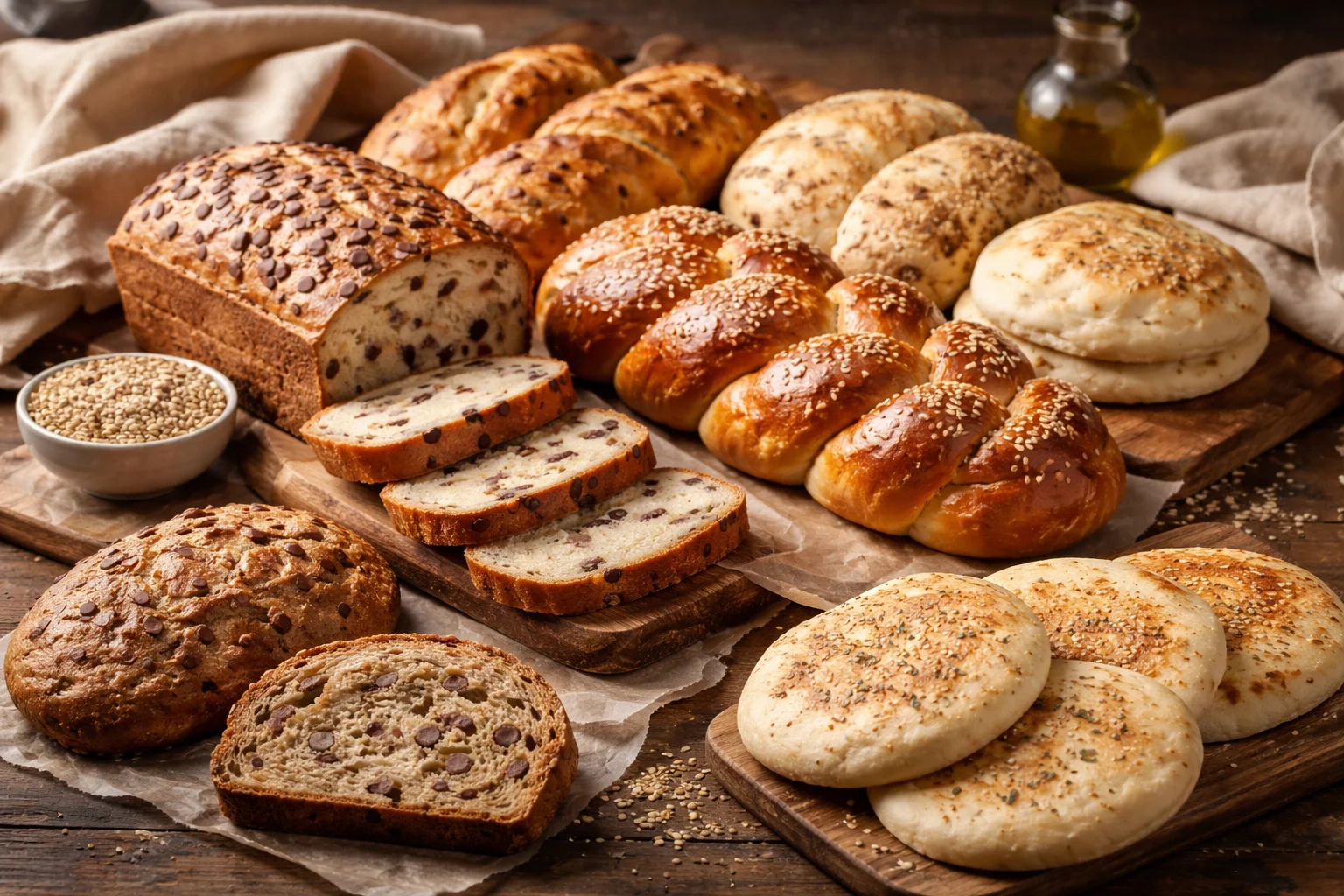
WHY MAKING BREAD MACHINE GLUTEN FREE BREAD IS AMAZING
The first time I made gluten free bread in a machine, I honestly felt like I unlocked a life cheat. You add ingredients, press a button, and the house starts smelling like a cozy bakery. No flour clouds all over the counters, no extra bowls, no guessing if your dough looks right. Gluten free dough is more like a thick batter anyway, so the bread maker does a great job mixing it evenly.
Here is why it has become my go to:
It is consistent. Once you find your settings and ingredients, you get the same kind of loaf each time.
It saves time. I can do other things while it mixes, rises, and bakes.
It is beginner friendly. You do not need advanced baking skills to get a solid loaf.
If you want another version to compare, I have also used tips from this post and it is super helpful: gluten-free bread for bread maker recipe. Sometimes reading a second method makes everything click.
“I tried this on a rainy Sunday and it came out fluffy, not crumbly. My kids ate it toasted with butter and did not even ask if it was gluten free.”
WHAT YOU NEED TO MAKE BREAD MACHINE GLUTEN FREE BREAD
Let us talk about the practical stuff. Bread machines vary a little, but most work great for gluten free loaves as long as you follow the order of ingredients and use the right flour blend. If your machine has a gluten free setting, use it. If it does not, do the basic or quick bread setting and keep an eye on the first mix.
Ingredients and simple swaps
This is my favorite ingredient list because it gives you a loaf that slices without falling apart. Plus it tastes good plain, toasted, or as a sandwich.
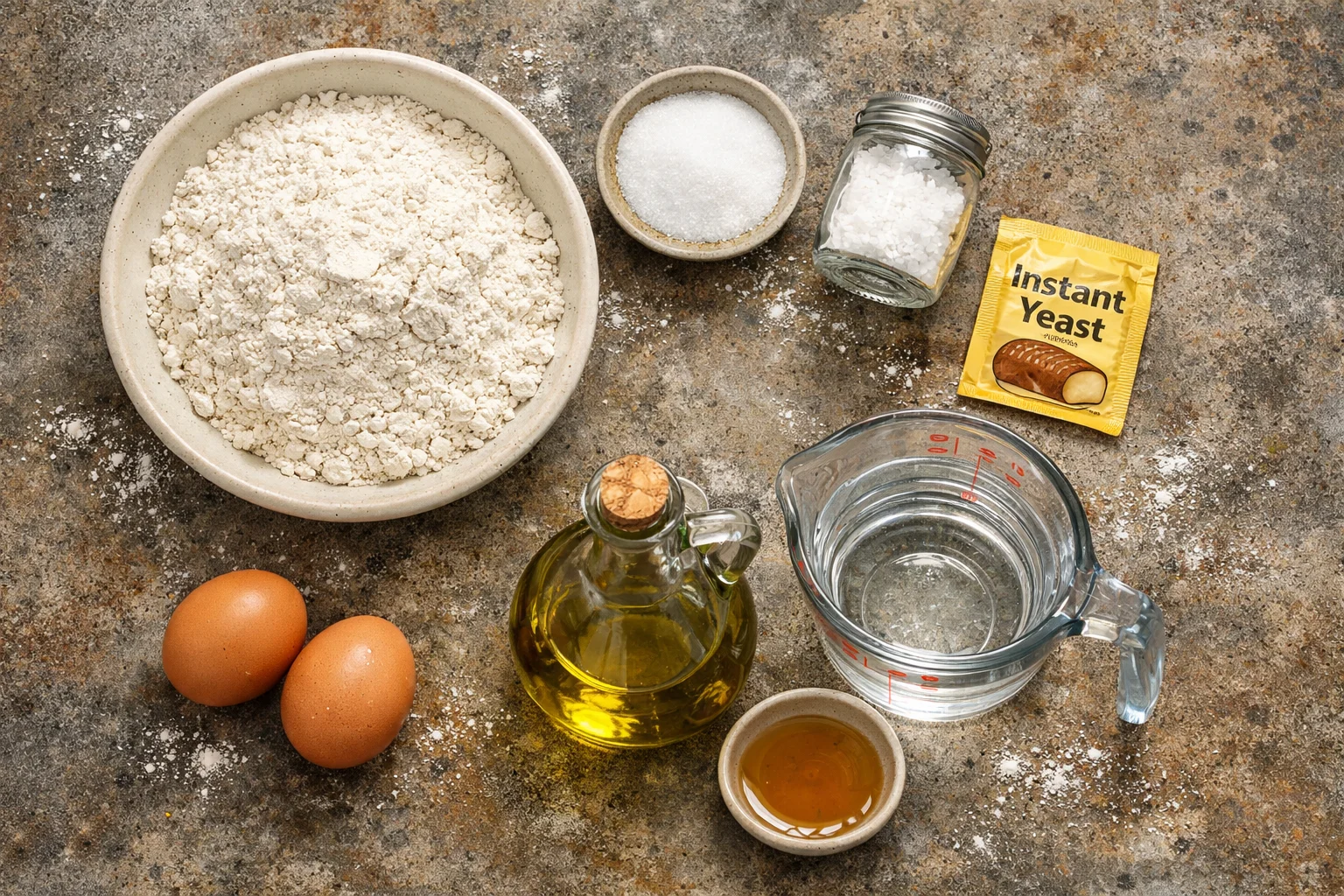
- Gluten free flour blend (about 3 cups, choose one that is made for yeast bread)
- 1 tablespoon sugar or honey (helps the yeast wake up)
- 1 teaspoon salt
- 2 and 1 quarter teaspoons instant yeast (one packet)
- 1 and 1 quarter cups warm water (not hot)
- 2 large eggs (room temp is best)
- 3 tablespoons olive oil or melted butter
- 1 teaspoon apple cider vinegar (tiny amount, big help for texture)
If you are dairy free, use olive oil instead of butter. If you cannot do eggs, you can try egg replacer, but heads up, the loaf will be a bit more delicate.
And a quick note on the flour blend: not all blends are equal. If you want more baking ideas with different blends, this round up is fun to browse: delicious gluten free flour recipes youll love to bake.
Also, if you are planning breakfast with your loaf, you might like this list for easy pairings: delicious recipes for gluten free breakfast to brighten your mornings.
Now for the equipment. You likely already have it, but here is the basic checklist:
- Bread machine pan and paddle
- Measuring cups and spoons
- A small spoon to scrape flour off the sides during mixing
HOW TO MAKE THE PERFECT BREAD MACHINE GLUTEN FREE BREAD
This is the part where it all comes together. I am going to keep it simple, but I will share the little checks I do that make a big difference. This is also where people usually mess up, so do not skip the small tips.
Step by step directions
1) Add wet ingredients first. Pour warm water into the bread pan, then add eggs, oil, and vinegar.
2) Add dry ingredients next. Sprinkle in the flour blend, then add sugar and salt on top.
3) Make a small well in the flour and add the yeast. You want the yeast to sit on dry flour at first, not directly in the water.
4) Choose the gluten free cycle if you have it. If not, use a basic setting that includes one rise and bake. Aim for a loaf around 2 pounds if your machine asks.
5) Check the mix during the first few minutes. Gluten free dough should look like a thick cake batter. If it looks like dry sand, add a tablespoon of water. If it looks like soup, add a tablespoon of flour blend. Also scrape down the sides so everything mixes evenly.
6) Let it bake fully, then cool before slicing. I know it is hard. But if you cut too early, the inside can turn gummy. I cool it at least one hour on a rack.
My best texture tip is this: measure carefully and do not overdo extra flour. With gluten free bread, a too dry dough means a crumbly loaf.
If you want another loaf option with a slightly different balance, this one is worth checking out later: delicious gluten free bread maker recipe youll love.
Gluten-Based Bread vs Gluten-Free Bread
I get asked this a lot because people assume gluten free bread should behave exactly like regular bread. The truth is, it is similar, but not identical, and that is totally fine once you know what to expect.
Gluten based dough is stretchy and elastic. You can punch it down, shape it, and it holds those lovely air pockets. Gluten free dough does not have that same stretch. It is usually more like a thick batter, and it relies on other ingredients for structure.
Here are the main differences I notice at home:
Rising: Gluten free bread usually rises once and then bakes. Too much rising can make it collapse.
Texture: A good loaf is soft and springy, but it may be slightly more tender than wheat bread.
Staling: Gluten free bread can dry out faster, so I slice and freeze half the loaf.
One more real life note: gluten free loaves often taste better toasted on day two. That warm crunch brings it back to life.
Basic Ingredients of Gluten-Free Bread
This is the part that helped me stop feeling confused when I read ingredient labels. Once you understand the roles, you can troubleshoot your loaf without guessing.
Flour blend is the base. It usually includes rice flour, sorghum, millet, or a mix. Some blends include starches for softness.
Binders help hold the loaf together. Many blends have xanthan gum already mixed in. If yours does not, you might need to add it, usually about 1 teaspoon per loaf, but check your blend first.
Yeast gives rise and that classic bread flavor.
Eggs add structure and help the bread slice nicely.
Fat like oil or butter keeps it tender.
Once you have a loaf you like, you can start playing with flavors. I sometimes add garlic powder and Italian herbs for savory slices. If you are more in a comfort food mood, this goes so well alongside cozy recipes like these: recipes for gluten free chicken.
And if you want a sweet treat to go with your coffee, I am a big fan of this simple bake: deliciously simple gluten free shortbread cookie recipe.
Common Questions
1) Why did my loaf sink in the middle?
This usually happens when there is too much liquid, too much yeast, or the dough rose too long. Measure carefully, and use the gluten free cycle if you have it.
2) Can I use active dry yeast instead of instant yeast?
Yes. I proof it in the warm water with the sugar for about 5 to 10 minutes first, then add it in with the wet ingredients.
3) How do I store gluten free bread so it stays soft?
I keep what I will eat in one to two days in a sealed bag on the counter, then slice and freeze the rest. Toast straight from frozen and it is great.
4) My bread is gummy. What went wrong?
It is often sliced too soon or underbaked. Let it cool completely before slicing, and make sure your machine finishes the full bake cycle.
5) Can I add seeds or oats?
Seeds are easy. Add 2 to 3 tablespoons of sunflower or pumpkin seeds. For oats, make sure they are certified gluten free, and start small so the loaf does not get heavy.
A warm slice and you are set
If you have been hunting for a gluten free bread recipe for bread maker that feels reliable and tasty, I hope this one becomes your new staple. The biggest wins come from using a good flour blend, measuring carefully, and letting the loaf cool before you cut into it. If you want extra bread machine guidance, I found these helpful reads: Baking Gluten Free Bread in a Breadmaker – how-to with gfJules and Perfect Bread Machine Gluten Free Bread – Jenuine Home. Now go make that loaf, slice it up, and do the first bite warm with butter or jam. You will not regret it.

Gluten Free Bread
Ingredients
Wet Ingredients
- 1.25 cups 1 and 1 quarter cups warm water Water should be warm, not hot.
- 2 large 2 large eggs Room temperature is best.
- 3 tablespoons 3 tablespoons olive oil or melted butter Olive oil can be used for a dairy-free option.
- 1 teaspoon 1 teaspoon apple cider vinegar A small amount helps with texture.
Dry Ingredients
- 3 cups Gluten free flour blend Choose one that is made for yeast bread.
- 1 tablespoon 1 tablespoon sugar or honey Helps the yeast wake up.
- 1 teaspoon 1 teaspoon salt Essential for flavor.
- 2.25 teaspoons 2 and 1 quarter teaspoons instant yeast One packet.
Instructions
Preparation
- Add the wet ingredients first: Pour warm water into the bread pan, then add eggs, oil, and vinegar.
- Add the dry ingredients next: Sprinkle in the flour blend, then add sugar and salt on top.
- Make a small well in the flour and add the yeast, ensuring that the yeast sits on dry flour at first.
- Choose the gluten free cycle if your machine has it. If not, use a basic setting that includes one rise and bake for a loaf around 2 pounds.
- Check the mix during the first few minutes: Gluten free dough should look like a thick cake batter. Adjust with additional water or flour if necessary.
- Let it bake fully, then cool on a rack for at least one hour before slicing to avoid gummy texture.