Skip to content
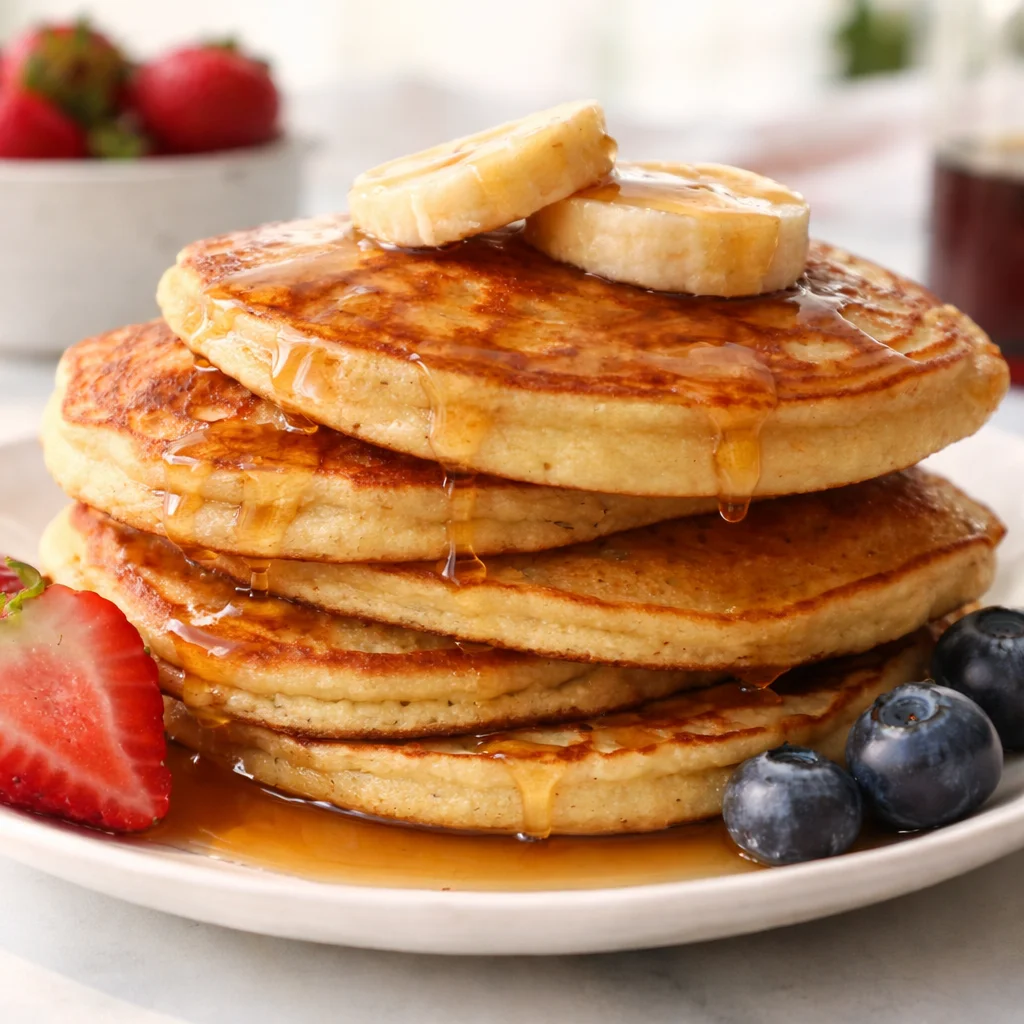
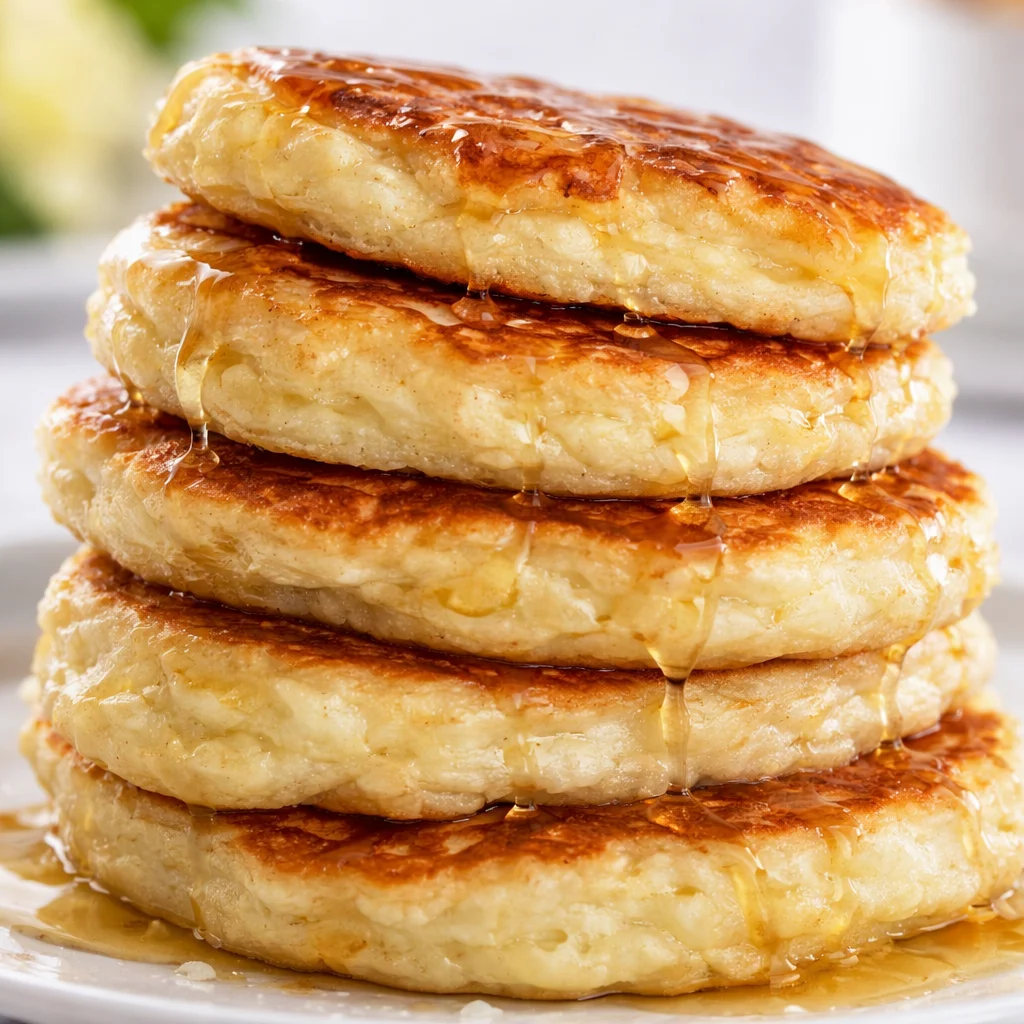
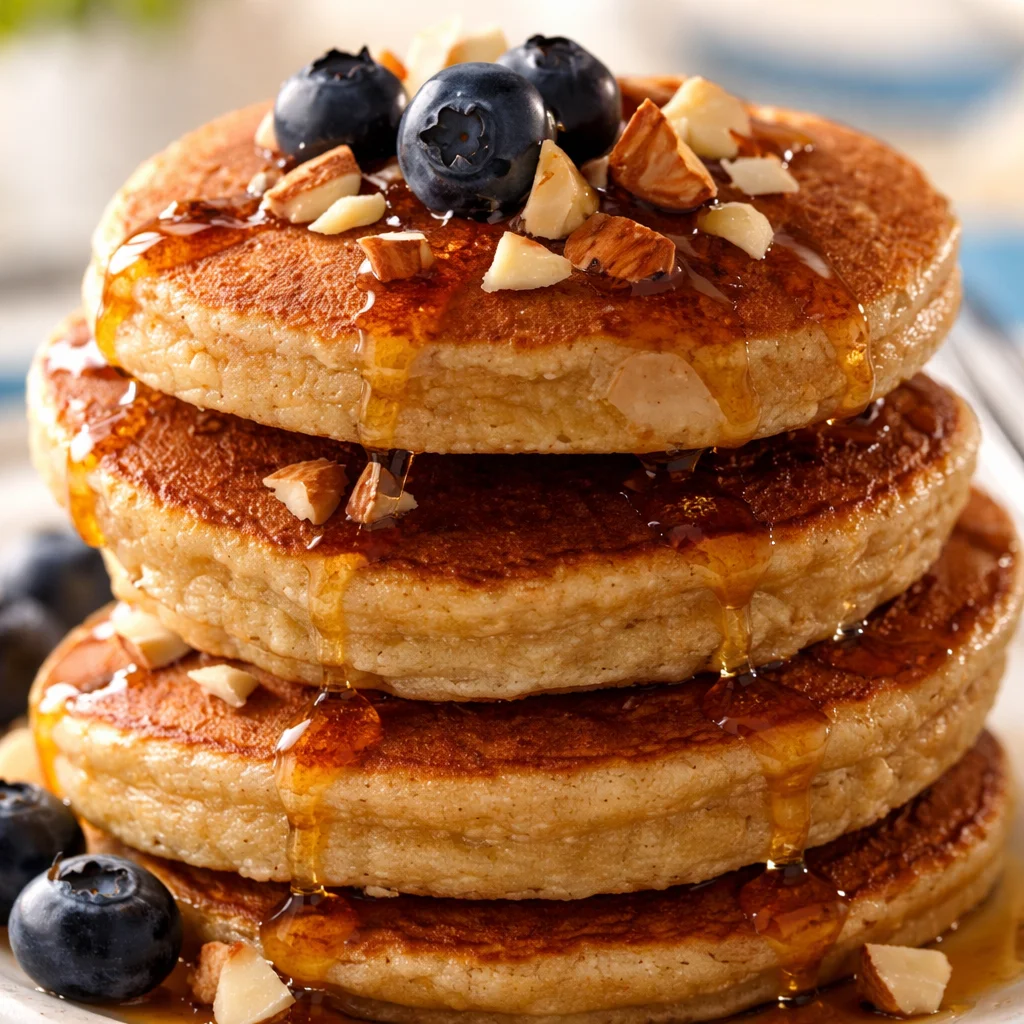
Gluten-Free Coconut Pancakes are my go to fix for those mornings when you want something cozy, but you also want to feel good after breakfast. I used to think gluten free pancakes had to be either dry or weirdly gummy, until I started playing around with coconut flour. Now these come out fluffy, lightly sweet, and they actually taste like a treat. If you’re on a breakfast kick, you should also peek at Delicious Recipes for Gluten Free Breakfast to Brighten Your Mornings because it’s full of easy ideas when you’re bored of the same old eggs. And yes, these pancakes are simple enough for a weekday, even if you are not a morning person.
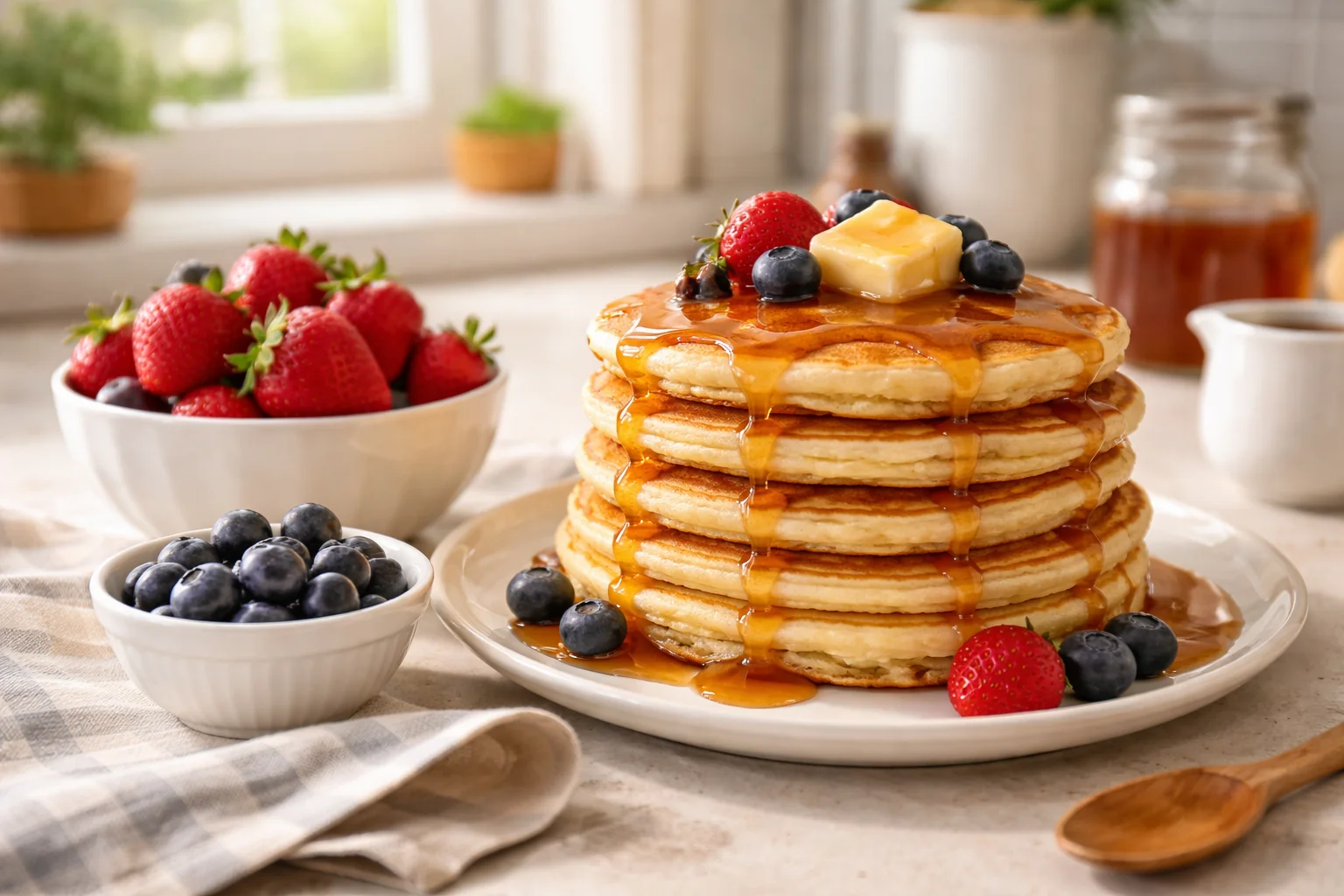
Coconut Flour Pancake Ingredients
Let’s talk ingredients first, because coconut flour is not the kind of flour you can casually swap and hope for the best. It’s super absorbent, so the balance matters. The good news is you only need a short list, and most of it might already be in your kitchen.
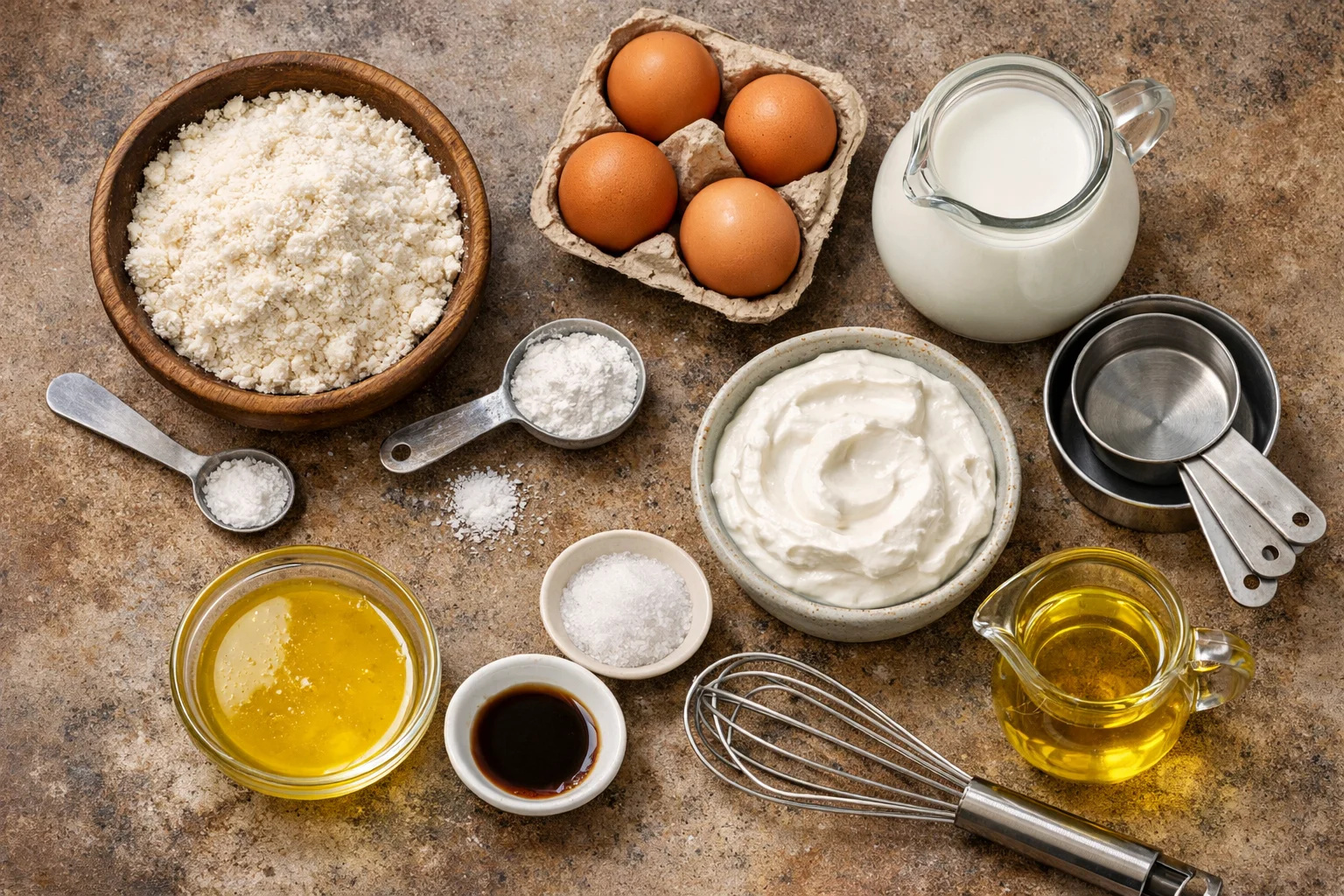
Here’s what I use for my Gluten-Free Coconut Pancakes:
- Coconut flour: the star of the show, but you only need a little.
- Eggs: they give structure and help everything stay fluffy.
- Milk: dairy or non dairy both work. I use almond milk a lot.
- Greek yogurt or plain yogurt: optional, but it adds tenderness and a slight tang.
- Baking powder: for lift.
- A pinch of salt: keeps them from tasting flat.
- Sweetener: maple syrup, honey, or a spoon of sugar, whatever you like.
- Vanilla: makes them taste like a real breakfast treat.
- Oil or melted butter: for the batter and the pan.
If you’re the kind of person who loves having a bread option ready for the week, you’ll probably also like this list of gluten-free bread recipes to bake today. I rotate between pancakes and easy breads depending on my schedule.
How to Make Coconut Flour Pancakes
This is the part where I tell you not to overthink it. Coconut flour pancakes look fussy on paper, but the method is basically mix, rest, cook. The rest step matters because coconut flour needs a minute to soak up liquid. If you skip it, your batter can change mid cooking and you’ll be annoyed.
My simple step by step method
I do it in one bowl because I hate extra dishes. Here’s the flow:
1) Mix the wet ingredients first. Whisk eggs, milk, yogurt if using, vanilla, and sweetener until smooth.
2) Add the dry ingredients. Sprinkle in coconut flour, baking powder, and salt. Whisk again. It will start out thinner than you expect, then it thickens fast.
3) Let the batter rest. Give it 3 to 5 minutes on the counter. This is where the magic happens.
4) Adjust the batter. If it’s too thick, add a splash of milk. If it’s too thin, add a tiny bit more coconut flour, like a teaspoon at a time.
5) Cook low and slow. Heat a nonstick pan or griddle on medium low. Lightly grease it. Pour small pancakes, about 2 to 3 tablespoons each. Coconut flour pancakes do better when they’re not huge.
6) Flip gently. Wait until the edges look set and you see bubbles. Flip carefully and cook another minute or two.
My favorite way to serve these is with toasted coconut flakes, berries, and a drizzle of maple syrup. And if you’re planning a gluten free comfort food day later, save this for dinner: creamy and simple gluten-free mac and cheese. Pancakes for breakfast, mac and cheese at night is a mood.
“I made these for my family and nobody even asked if they were gluten free. They just kept grabbing more. The texture is seriously fluffy.”
How to Measure Coconut Flour
If you take one thing from this whole post, let it be this: measuring coconut flour correctly is the difference between fluffy pancakes and a sad little eggy disk. Coconut flour is light and clumpy, and it packs down easily.
The easy measuring rule I follow
Spoon and level. I don’t scoop straight from the bag with the measuring cup. I spoon coconut flour into the cup, then level it off with the back of a knife. That keeps you from accidentally adding extra, which will make the batter too thick and dry.
Also, if your coconut flour has been sitting a while, give it a quick stir in the bag or container. It settles. And if your kitchen is humid, coconut flour can grab moisture from the air, which is another reason accurate measuring matters.
If you’re newer to gluten free baking and want more ideas beyond pancakes, I’ve bookmarked delicious gluten-free flour recipes you’ll love to bake for those weekends when I feel like experimenting without stressing.
Pancake Storage Tips
These pancakes are best warm, obviously. But I’m also realistic. Sometimes you want to make a batch on Sunday and feel like you’ve got your life together for Monday morning.
Here’s what works for storing Gluten-Free Coconut Pancakes without turning them weird:
Fridge: Let them cool completely, then store in an airtight container for up to 3 days. I place parchment paper between layers so they don’t stick.
Freezer: Freeze in a single layer on a baking sheet for 30 to 60 minutes, then move to a freezer bag. They keep well for about 2 months.
Reheating: Toasting is my favorite because it brings back the edges. You can also warm them in a skillet for a minute per side. Microwave works, but they’ll be softer.
One small tip: if you know you’re freezing them, cook them just a touch lighter than usual. When you reheat, they finish perfectly without drying out.
Recipe Tips for Making Coconut Flour Pancakes
At this point I’ve made these enough times to mess them up in every possible way, so let me save you the frustration. If you want Gluten-Free Coconut Pancakes that stay fluffy and tender, these are the little habits that help.
Quick fixes for the most common pancake problems
If the batter is too thick: Add milk one tablespoon at a time. Coconut flour keeps thickening as it sits.
If the pancakes won’t cook through: Your heat is too high. Coconut flour pancakes need a lower temperature so the middle can set.
If they taste eggy: Add a little more vanilla, a bit more sweetener, or a pinch of cinnamon. Also make sure you’re not making them too large or cooking too hot.
If they fall apart when flipping: Let them cook longer on the first side. And flip with confidence, but gently.
My personal add ins when I want to make them feel special:
Banana slices pressed into the batter right after pouring, mini chocolate chips, or blueberries tossed with a tiny bit of coconut flour so they don’t sink.
If you’re planning a whole gluten free week and want more meal ideas, this roundup of easy gluten-free dinners is the kind of thing I keep open in a tab while I write a grocery list.
Common Questions
Can I make these dairy free?
Yes. Use almond milk, oat milk, or coconut milk from a carton, and swap yogurt for a dairy free yogurt or just leave it out and add a splash more milk.
Why do coconut flour pancakes need so many eggs?
Coconut flour doesn’t have the same structure as wheat flour, so eggs help bind and keep them fluffy instead of crumbly.
Can I use only coconut flour and no other flour?
Yes, this recipe is designed for that. Just be careful with measuring and don’t skip the resting time.
How do I know when it’s time to flip?
Look for set edges and bubbles on top. If the pancake still looks shiny and wet, give it another 30 to 60 seconds.
Can I make the batter ahead of time?
You can, but it thickens a lot as it sits. If you do, store it covered in the fridge and stir in a little milk before cooking.
Ready for Your New Favorite Pancake Morning?
If you’ve been craving a cozy breakfast that doesn’t feel like a compromise, these Gluten-Free Coconut Pancakes are such a good one to keep in your back pocket. Measure the coconut flour carefully, let the batter rest, and keep the heat a bit lower than you think you need, and you’ll get that fluffy texture every time. I also like checking other versions for fun, like Coconut Flour Pancakes – Gluten Free on a Shoestring and Coconut Flour Pancakes – Detoxinista, because it’s interesting to see how small changes affect the result. Now grab your skillet, pick your toppings, and go make your kitchen smell like a real weekend morning, even if it’s Tuesday.

Gluten-Free Coconut Pancakes
Ingredients
Wet Ingredients
- 2 large Eggs Provide structure
- 1 cup Milk (dairy or non-dairy) Almond milk works well
- 1/2 cup Greek yogurt or plain yogurt Optional for tenderness
- 1 teaspoon Vanilla extract Adds flavor
- 2 tablespoons Sweetener (maple syrup, honey, sugar) Use your preferred sweetener
Dry Ingredients
- 1/2 cup Coconut flour Main ingredient, measure carefully
- 1 teaspoon Baking powder For lift
- 1/4 teaspoon Salt Enhances flavor
For Cooking
- 1 tablespoon Oil or melted butter For the batter and the pan
Instructions
Preparation
- Whisk the wet ingredients (eggs, milk, yogurt if using, vanilla, and sweetener) in a bowl until smooth.
- Add the dry ingredients (coconut flour, baking powder, and salt) and whisk until combined. The batter may seem thin initially but will thicken.
- Let the batter rest for 3 to 5 minutes to allow the coconut flour to absorb the liquid.
- Adjust the batter: if too thick, add a splash of milk; if too thin, add a teaspoon of coconut flour at a time.
Cooking
- Heat a nonstick pan or griddle over medium-low heat and lightly grease it.
- Pour about 2 to 3 tablespoons of batter for each pancake.
- Once edges look set and bubbles form, flip the pancake gently and cook for another minute or two.