Skip to content
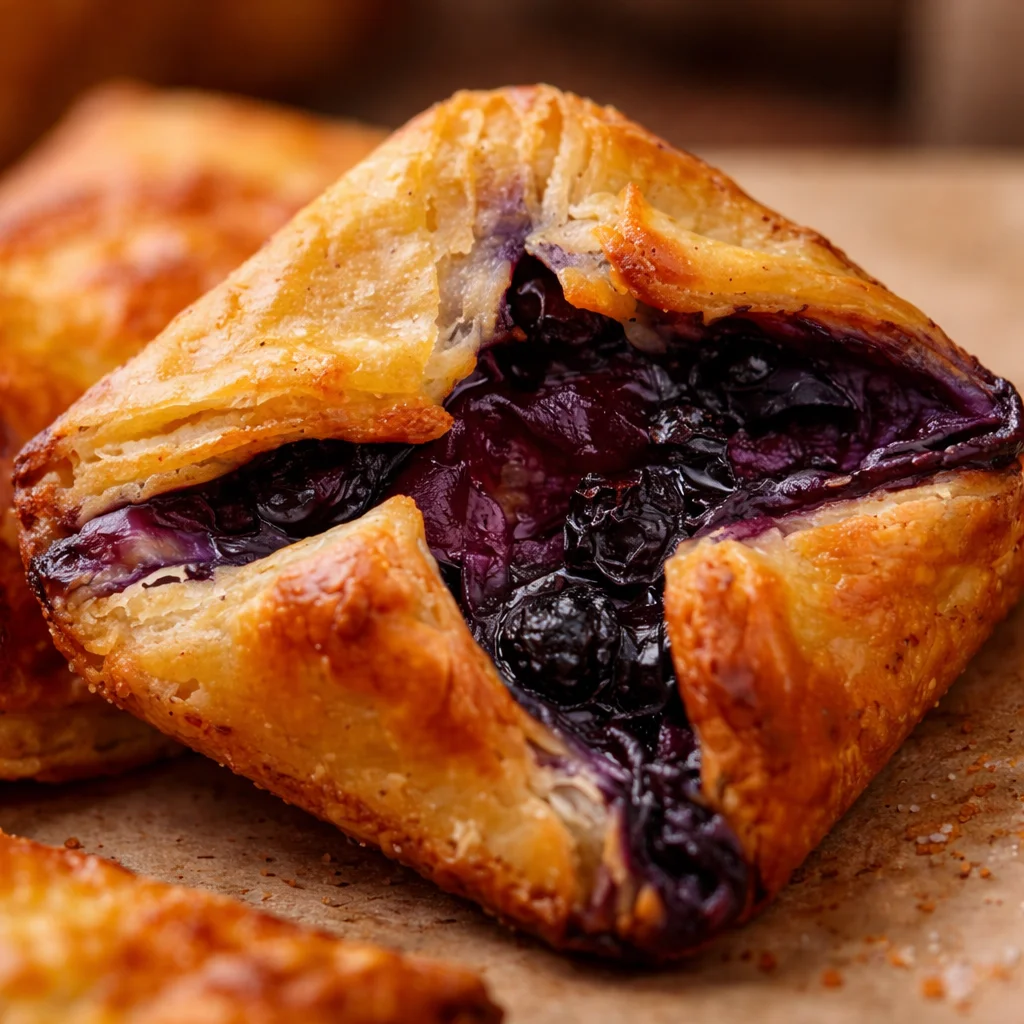
gluten free pastry puff recipe days usually start the same way in my kitchen: I want something flaky and cozy, but I do not want a complicated baking project or a sink full of bowls. If you have ever stood in front of the fridge thinking, “I just want a simple pastry that actually tastes like real pastry,” you are in the right place. This is the kind of dough I make when I want a quick win, like last minute brunch, a snacky dinner, or a cute dessert that looks way fancier than it is. It is crisp on the outside, tender in the middle, and honestly pretty forgiving. Let’s make it together, step by step, with tips that keep it stress free. 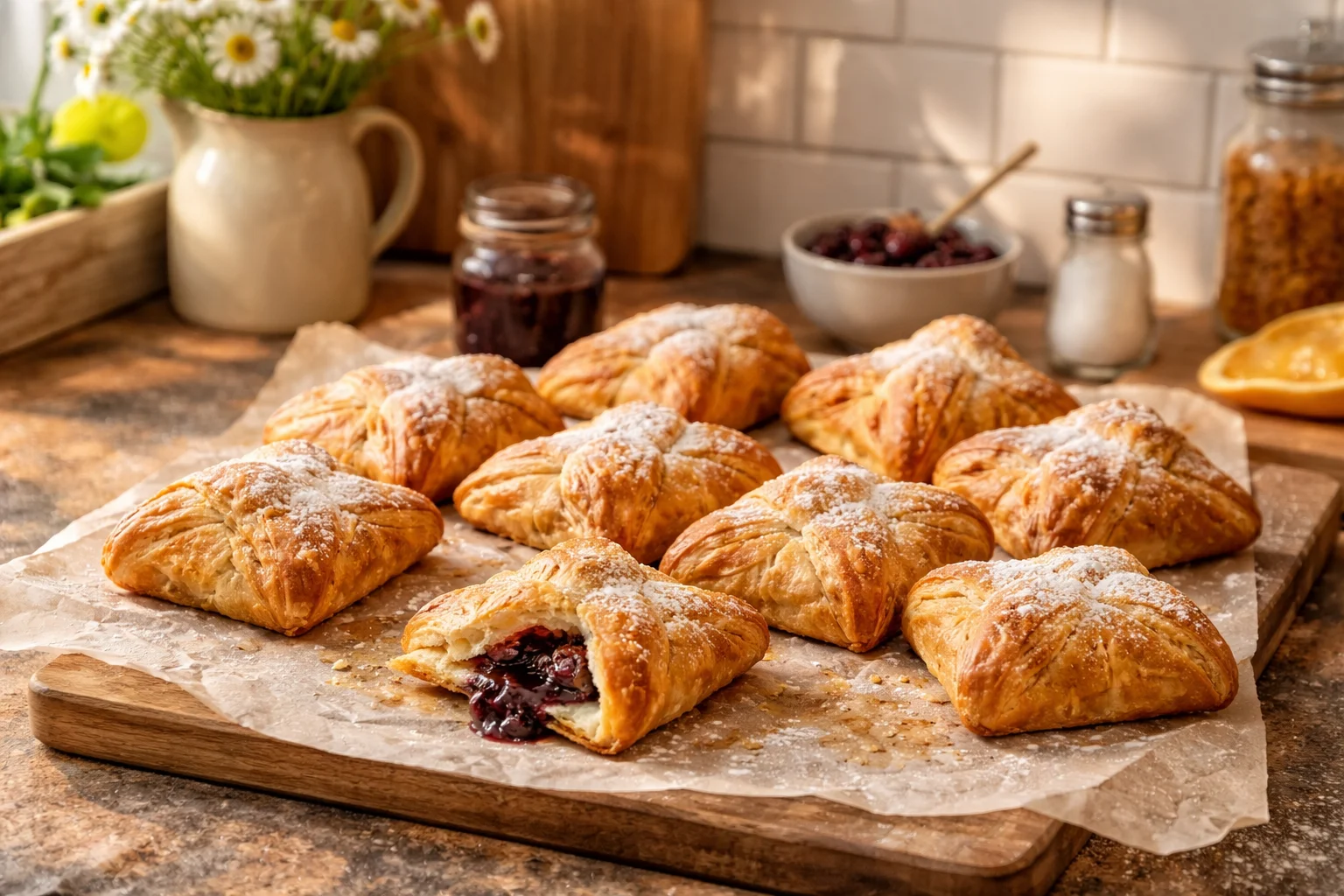
Why you’ll love this recipe
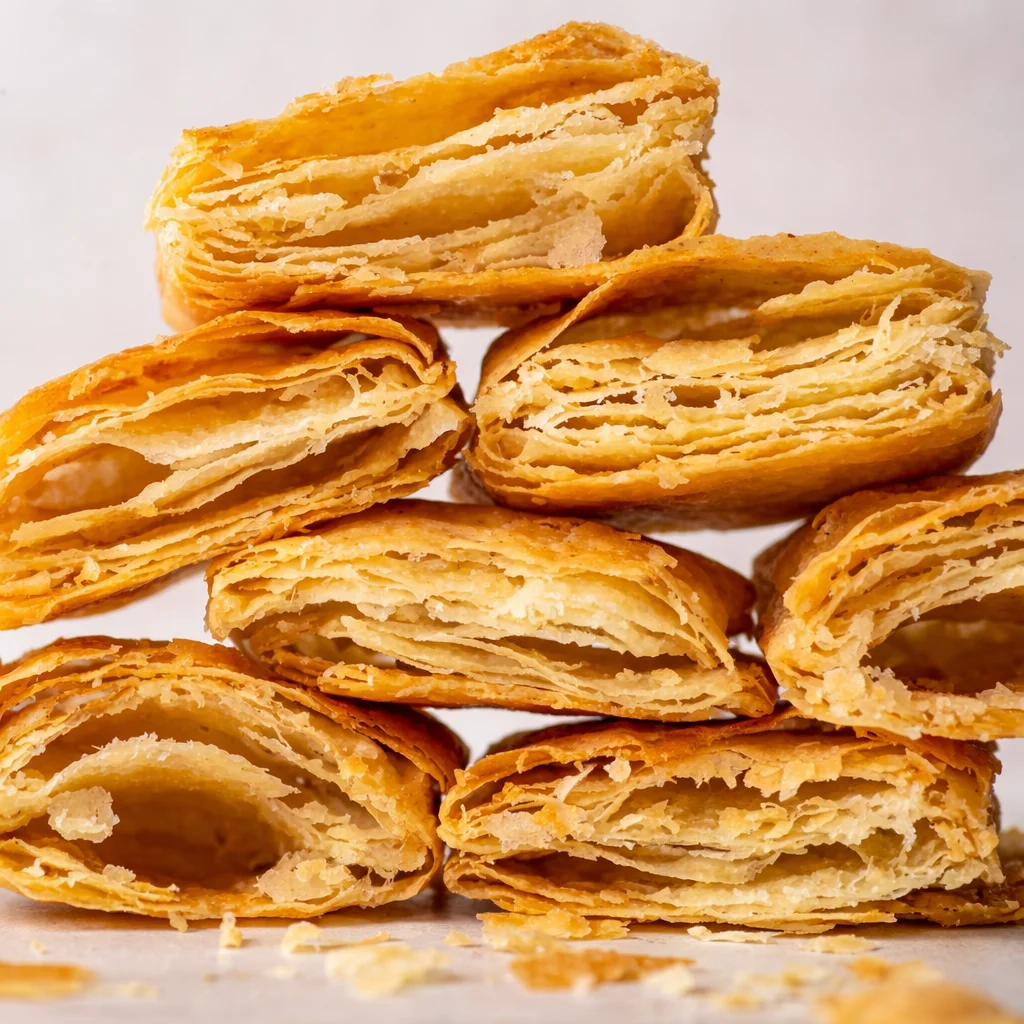
I have tried a lot of gluten free pastry attempts that were either too sandy, too stiff, or just kind of sad. This one hits the sweet spot because it gives you those flaky layers without making you feel like you need a pastry degree. The dough is buttery, light, and it bakes up with that satisfying crackle when you break into it.
Here is why it stays on repeat at my house:
- Actually flaky without complicated steps
- Quick to mix with ingredients you can find in most grocery stores
- Flexible for sweet or savory filling ideas
- Freezer friendly so you can plan ahead
- Great texture even the next day if you reheat it right
If you are gluten free and you miss the little things like toaster pastries, party appetizers, or a simple fruit turnover, this dough brings those back in a very real way.
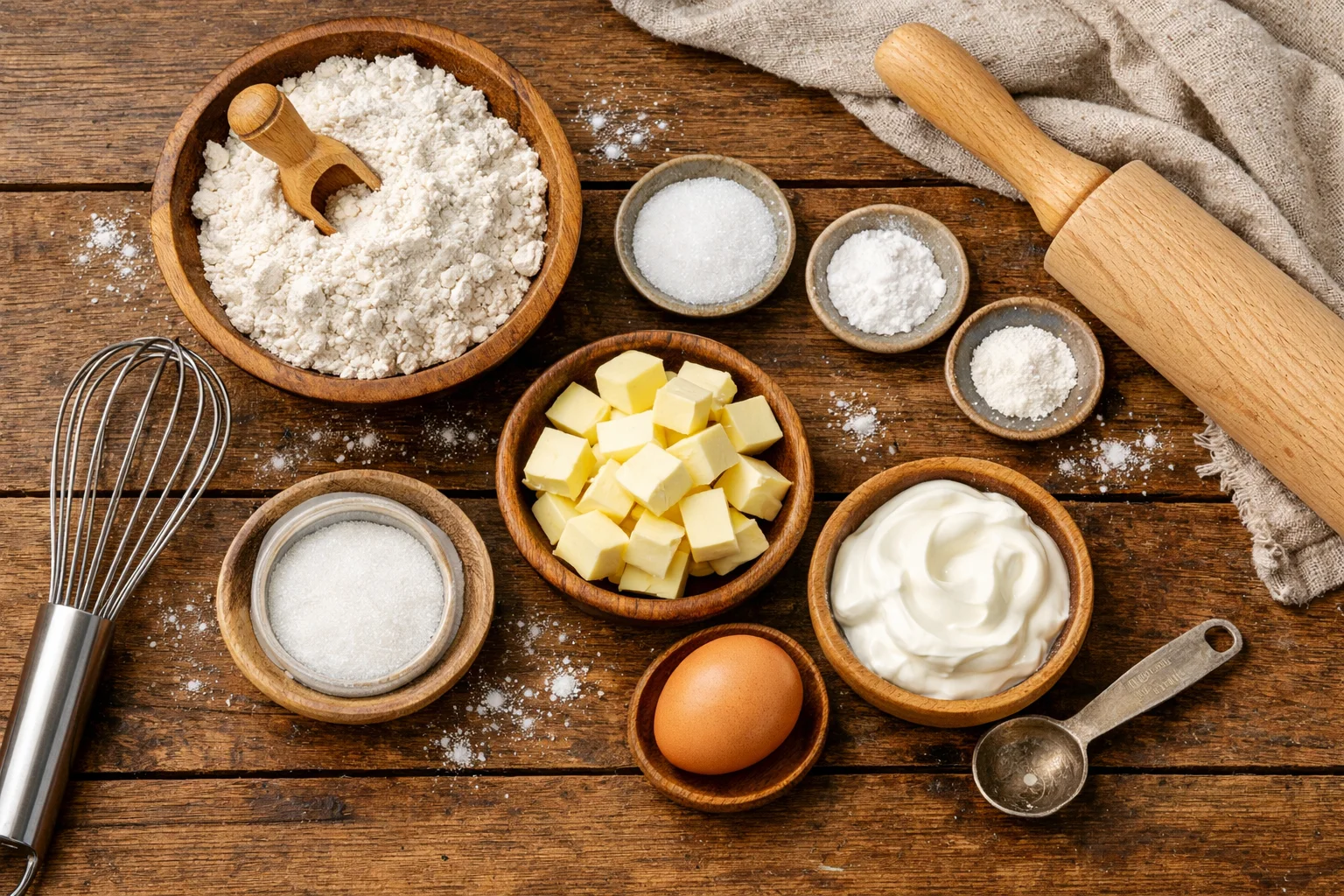
How to make gluten free puff pastry
What you will need
Before you start, a small pep talk: keep things cold. Cold butter plus a hot oven is where the puff magic happens. I also recommend weighing ingredients if you can, because gluten free flours can vary a lot.
Ingredients (makes about 1 sheet worth of dough)
- 1 1/4 cups gluten free all purpose flour blend with xanthan gum (about 160g)
- 1 tablespoon sugar (skip for savory if you want, but I still like a little)
- 1/2 teaspoon fine salt
- 1 teaspoon baking powder
- 1/2 cup cold unsalted butter, cut into small cubes (113g)
- 1/2 cup cold plain yogurt or sour cream (about 120g)
- 2 to 4 tablespoons cold water, only if needed
- 1 egg for egg wash (optional but makes it golden and glossy)
Simple directions
1) In a medium bowl, mix the flour, sugar, salt, and baking powder.
2) Add the cold butter cubes. Use your fingers or a pastry cutter to press the butter into the flour until you have a mix that looks like chunky crumbs. Some bigger butter bits are good. That is what helps create flakes.
3) Add the cold yogurt or sour cream. Stir with a fork until it starts to clump. If it looks dry, add cold water one tablespoon at a time. You want a dough that holds together when you squeeze it, not a sticky batter.
4) Lightly flour your counter with a bit of gluten free flour. Pat the dough into a rectangle. Roll it out into a longer rectangle, about 1/4 inch thick. Fold it into thirds like a letter.
5) Turn it 90 degrees, roll it out again, and fold into thirds again. Do this rolling and folding about 4 times total. If the dough warms up, pop it in the fridge for 10 minutes. Keeping it cool makes a huge difference.
6) Wrap the dough and chill for at least 30 minutes. If you have an hour, even better.
7) When ready to bake, roll it out to about 1/8 to 1/4 inch thick, depending on what you are making. Cut, fill, or shape as needed.
8) Bake on parchment paper in a preheated 400 F oven. Most small pastries bake in 16 to 22 minutes. For best color, brush with egg wash right before baking.
Little reality check from my kitchen: gluten free dough can crack at the edges when you roll. If that happens, just press the cracks back together with your fingers. No one will ever know once it bakes.
Quick bake guide (general)
If you are unsure on timing, this helps:
Small turnovers: 16 to 20 minutes at 400 F
Pinwheels and twists: 14 to 18 minutes at 400 F
Tart base: 18 to 24 minutes at 400 F (dock with a fork)
“I made this for spinach feta puffs and my gluten eating family ate them before I even sat down. The layers were legit. I am saving this recipe forever.”
Expert Tips
I am not a fancy pastry person, but I have made this enough times to learn what matters and what does not. These tips will save you from the most common frustration moments.
Small tweaks that make a big difference
Keep everything cold. If your kitchen is warm, chill the bowl for a few minutes and use cold yogurt straight from the fridge.
Do not over mix. Once the dough comes together, stop. Over working can make it tough.
Use parchment. Gluten free dough can be delicate. Rolling between parchment sheets is a lifesaver if your counter is giving you trouble.
Let it rest. That fridge time is not just a suggestion. Resting helps the flour hydrate so the dough rolls smoother.
Egg wash is optional, but worth it. If you want that bakery look, brush lightly and do not let it pool around the edges.
Also, one more thing I learned the hard way: do not skimp on preheating. A properly hot oven helps the butter puff the layers before the dough sets.
Ingredient substitutions
I know how it goes. You get halfway through a recipe and realize you are missing one thing. Here are swaps that have worked for me, plus a few notes so you can still trust the results.
Flour, dairy, and fat swaps
Gluten free flour blend: Use a trusted 1 to 1 blend that already includes xanthan gum. If yours does not include it, add 1/4 teaspoon xanthan gum. Different blends absorb differently, so you may need a splash more water.
Yogurt or sour cream: Either one works. Greek yogurt works too, but if it is very thick, add a teaspoon or two of water to loosen the dough.
Butter: For dairy free, use a firm plant based butter sticks, not soft tub spread. Soft spreads melt too fast and you lose flake.
Sugar: You can skip it for savory, but I like leaving a little in because it helps browning.
Egg wash: If you cannot do egg, brush with milk, cream, or even a little maple syrup thinned with water for shine and color.
If you are making this gluten free for a health reason like celiac, double check every label, especially baking powder and flour blends. It is boring advice, but it matters.
How to use this dough
Once you have this dough chilling in your fridge, you are basically set up for a week of easy meals and snacks. This is where the fun part starts. I have used this gluten free pastry puff recipe for quick dinners, party bites, and sweet treats when I want dessert but do not want to commit to a whole cake.
My favorite ideas
Savory: ham and cheese pockets, spinach and feta triangles, mini chicken pot pie tops, tomato pesto twists.
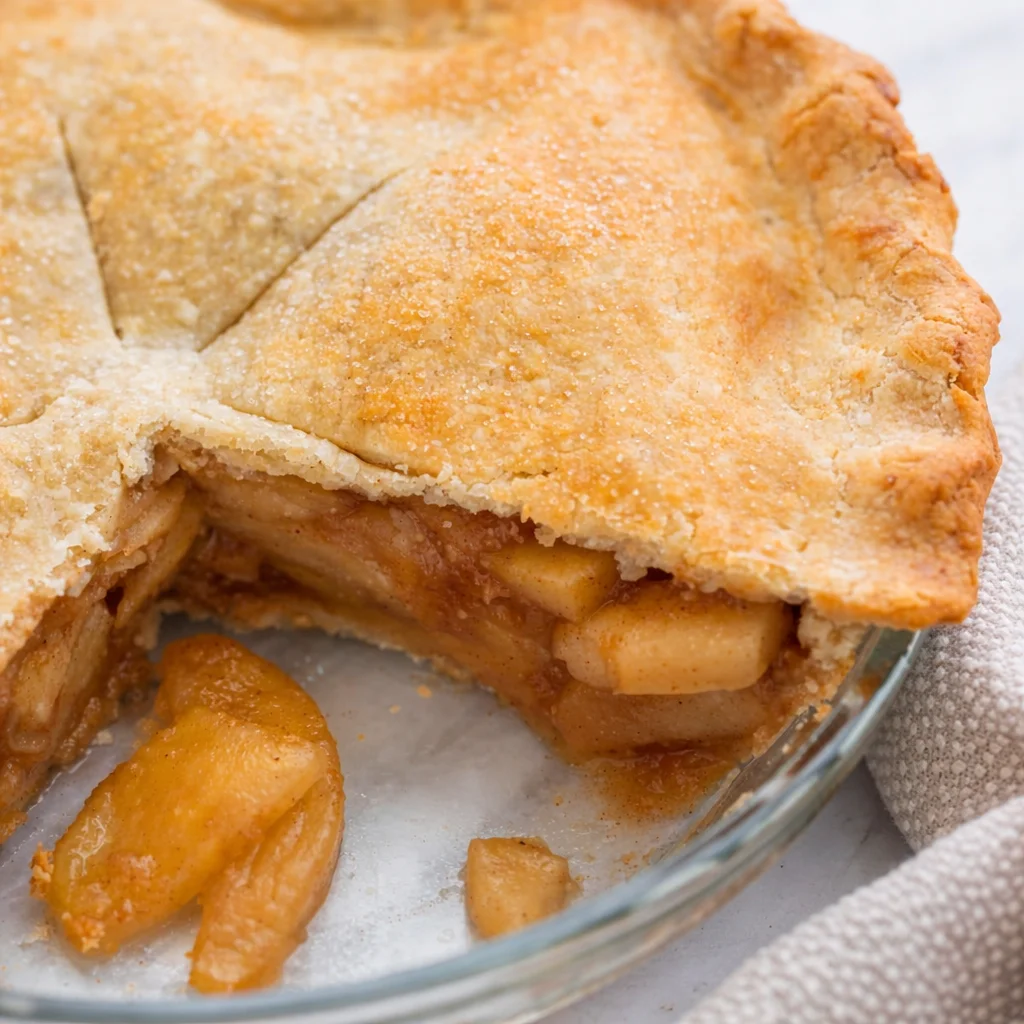
Sweet: apple turnovers, berry hand pies, cinnamon sugar pinwheels, mini jam tarts.
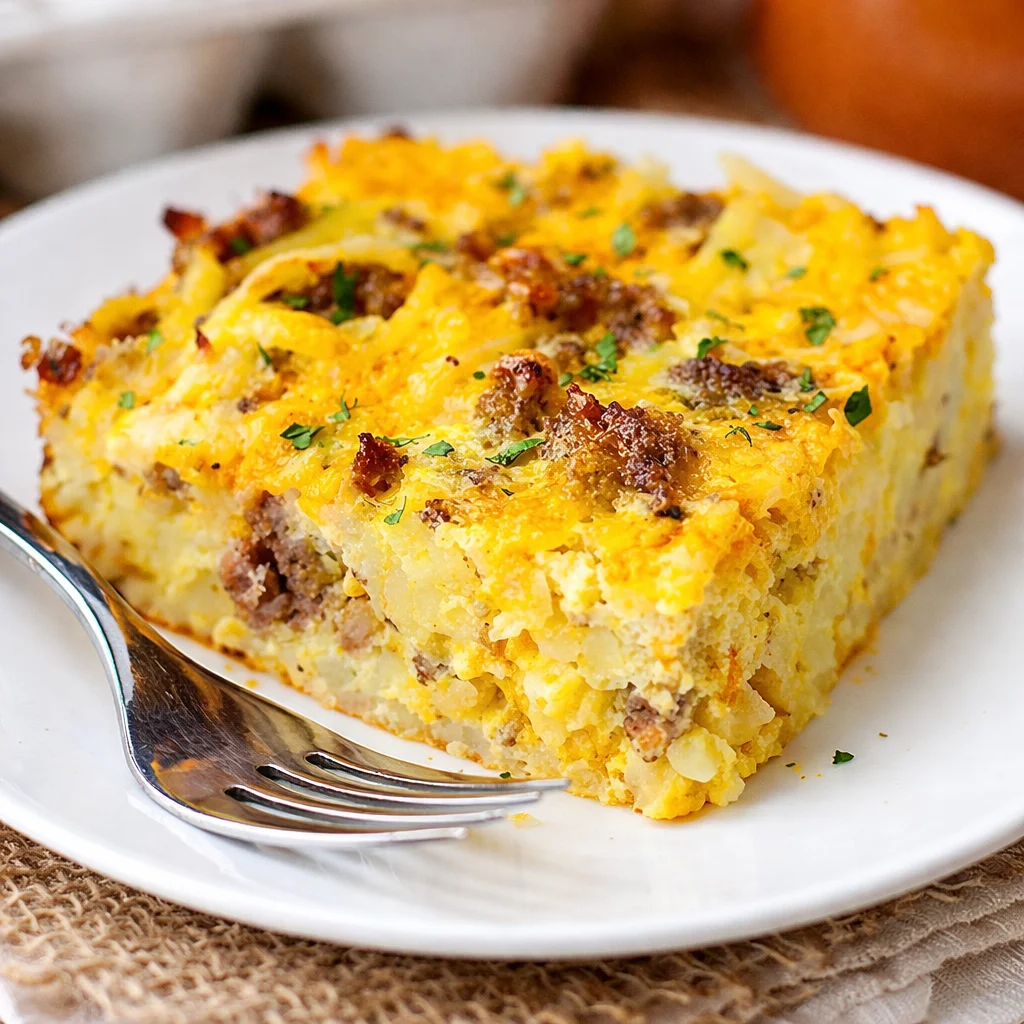
Brunch: egg and cheddar breakfast squares, smoked salmon and cream cheese bites, simple sausage rolls.
A practical tip: if you are filling pastries, keep fillings thick and not too wet. Watery fillings can make the bottom soggy. If you are using fruit, toss it with a little sugar and a teaspoon of cornstarch first.
Storage is easy too. Baked pastries keep for about 2 days on the counter in a container. For best texture, reheat in the oven or air fryer for a few minutes so they crisp back up. And yes, you can freeze the raw shaped pastries. Freeze on a tray, then move to a bag. Bake from frozen and add a few extra minutes.
Common Questions
1) Can I make this gluten free pastry puff recipe ahead of time?
Yes. You can make the dough up to 2 days ahead and keep it wrapped in the fridge. You can also freeze it for up to 2 months. Thaw overnight in the fridge.
2) Why is my dough cracking when I roll it?
Usually it is a little too cold or a little too dry. Let it sit for 5 minutes at room temp, then roll again. If it still feels dry, press in a teaspoon of cold water.
3) Can I use this as a pie crust?
You can, especially for a top crust or a rustic galette. For a full bottom crust, dock it with a fork and consider par baking it for a few minutes so it stays crisp.
4) How do I keep the filling from leaking out?
Do not overfill, and seal the edges well. I press with a fork and then chill the shaped pastries for 10 minutes before baking. That quick chill helps them hold their shape.
5) What if my pastries are not browning?
Brush with egg wash and make sure your oven is fully preheated. Also check your pan color. Dark pans brown faster, light pans may need an extra couple minutes.
A flaky little baking win you can have today
If you have been craving something crisp, buttery, and doable on a regular day, this gluten free pastry puff recipe is the one to try. Keep it cold, fold it a few times, and let the oven do the rest. Once you taste that first warm bite, you will start dreaming up fillings like it is a hobby. If you bake it, I hope you come back and tell me what you made because I am always looking for new ideas.

Gluten Free Pastry Puff
Ingredients
Dry Ingredients
- 1 1/4 cups gluten free all purpose flour blend with xanthan gum Approximately 160g, use a trusted 1 to 1 blend that includes xanthan gum.
- 1 tablespoon sugar Skip for savory fillings if desired.
- 1/2 teaspoon fine salt
- 1 teaspoon baking powder Check that it's gluten-free.
Wet Ingredients
- 1/2 cup cold unsalted butter, cut into small cubes Approximately 113g.
- 1/2 cup cold plain yogurt or sour cream Approximately 120g; Greek yogurt can be used.
- 2 to 4 tablespoons cold water Add only if needed to bring dough together.
- 1 egg for egg wash Optional but makes pastry glossy.
Instructions
Preparation
- In a medium bowl, mix the flour, sugar, salt, and baking powder.
- Add the cold butter cubes. Use your fingers or a pastry cutter to press the butter into the flour until you have a mix that looks like chunky crumbs. Some larger butter bits are acceptable as they create flakes.
- Add the cold yogurt or sour cream. Stir with a fork until it starts to clump. If the mixture looks dry, add cold water one tablespoon at a time until a dough holds together but is not sticky.
- Lightly flour your counter with gluten free flour. Pat the dough into a rectangle and roll it out to about 1/4 inch thick.
- Fold the rolled dough into thirds like a letter. Rotate 90 degrees, roll out again, and fold into thirds. Repeat this rolling and folding about 4 times, refrigerating the dough for 10 minutes if it warms up.
- Wrap the dough and chill for at least 30 minutes; an hour is preferred.
Baking
- When ready to bake, roll the dough out to about 1/8 to 1/4 inch thick. Cut, fill, or shape as desired.
- Bake on parchment paper in a preheated 400°F oven. Most small pastries bake in 16 to 22 minutes. Brush with egg wash right before baking for best color.