Skip to content
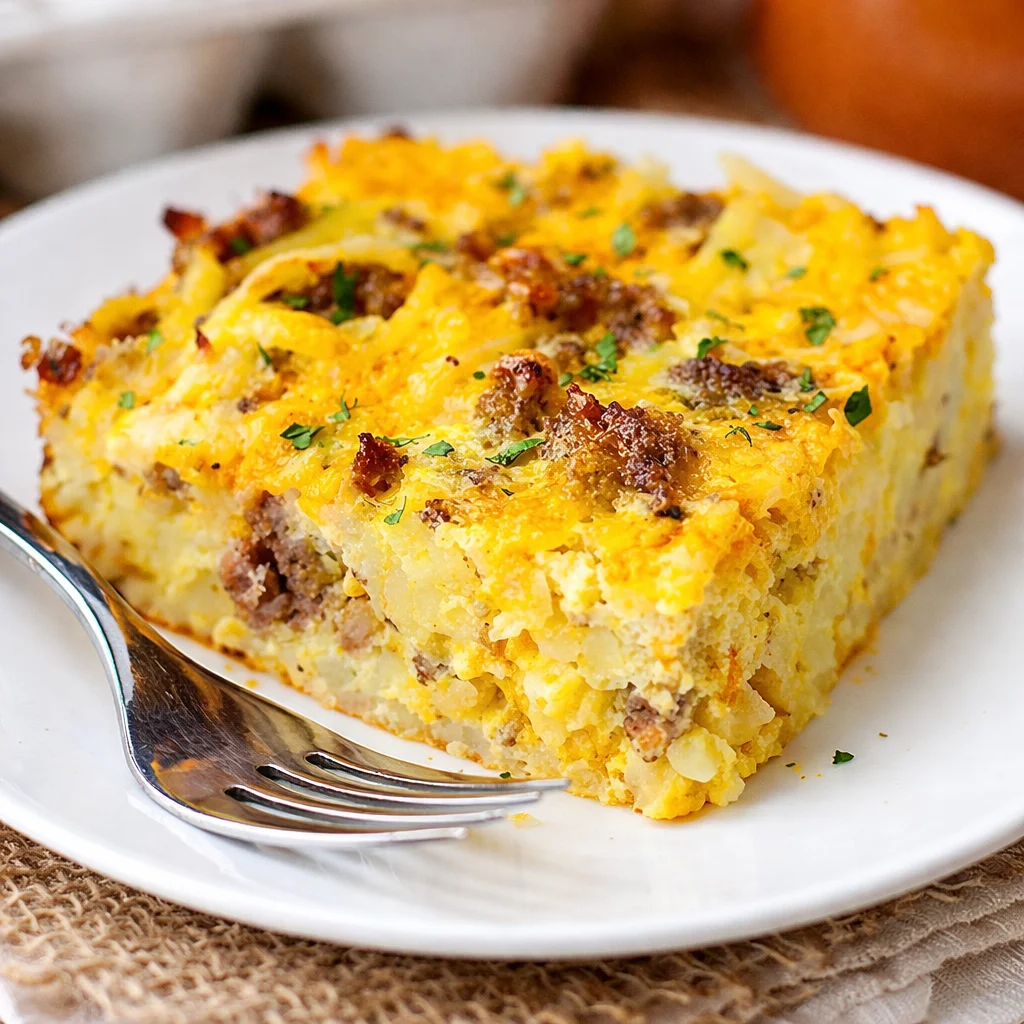
gluten free breakfast casserole recipes are my go to solution for those mornings when everyone’s hungry at the same time and I do not want to babysit a frying pan. You know the scene: kids asking what’s for breakfast, coffee still brewing, and you’re trying to make something that feels filling but not fussy. I started making breakfast casseroles when I needed a dish that could feed a crowd and still taste good as leftovers. The best part is you can make it cozy and classic, or change it up based on what you have. If you’ve ever felt stuck rotating the same boring breakfast, this is for you. 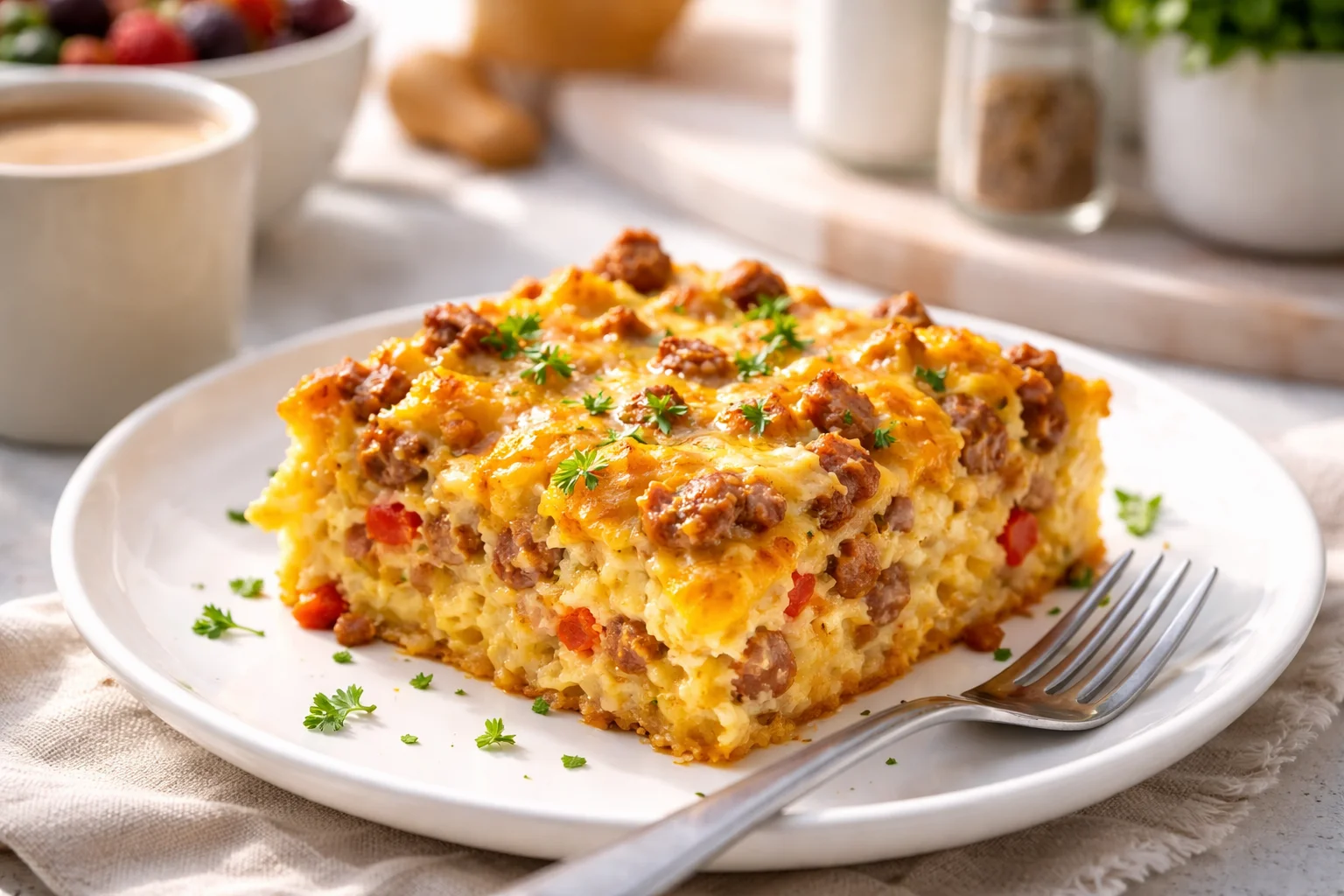
Main Ingredients Needed
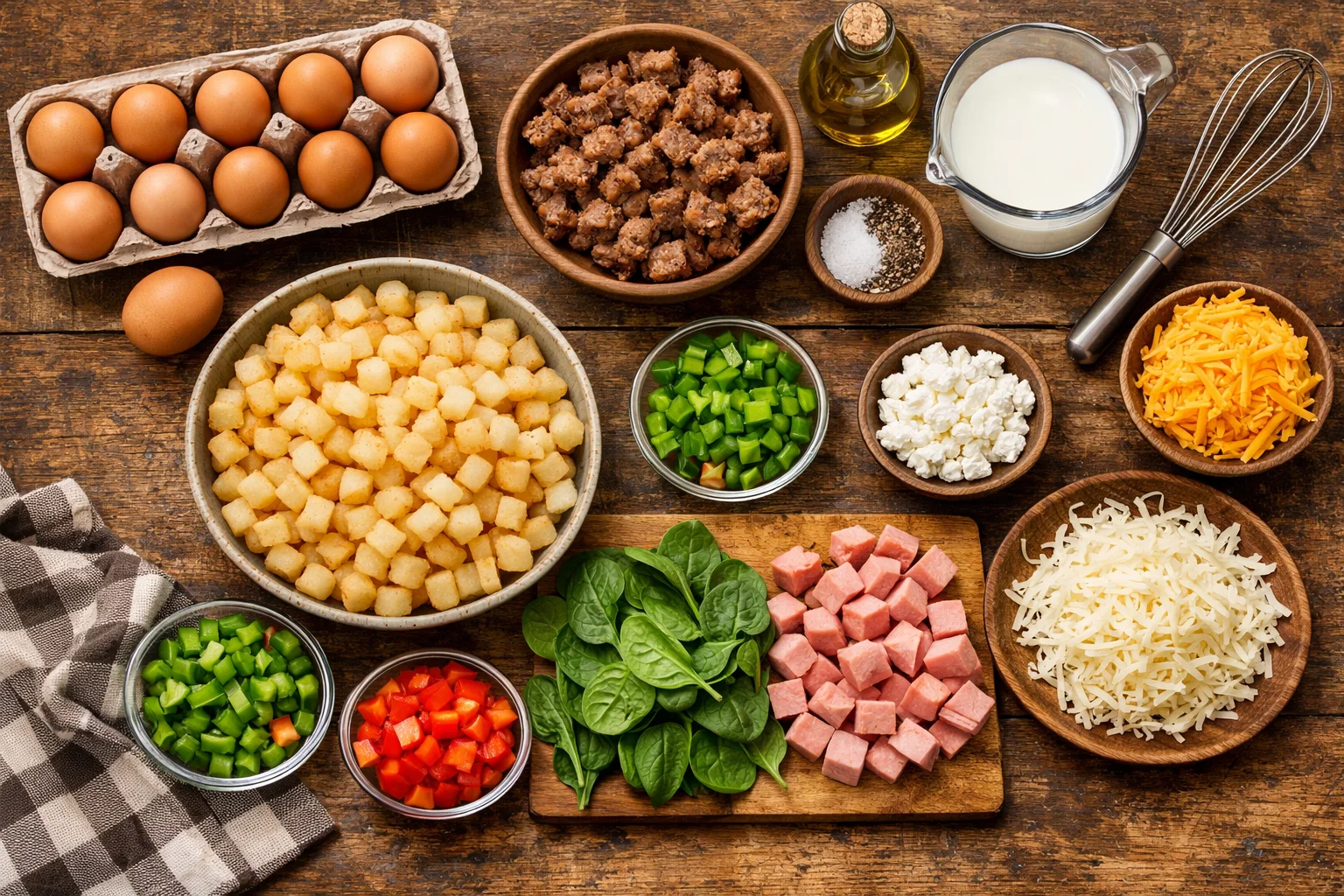
I keep my gluten free breakfast casserole recipes simple, because that’s what makes them actually happen on a weekday. Think of this like a mix and match situation: a base, a protein, a veggie, and something that makes it feel special. The only real rule is to double check labels, especially for sausage, seasoning blends, and shredded cheese.
Here’s what I usually reach for:
- Eggs: the glue that holds it all together. I use 10 to 12 for a standard 9×13 dish.
- Milk or a milk substitute: about 1 cup, just to keep the eggs tender.
- Gluten free base: hash browns, diced potatoes, or gluten free bread cubes.
- Protein: breakfast sausage, bacon, ham, or even leftover chicken.
- Veggies: bell peppers, spinach, onions, mushrooms, or zucchini.
- Cheese: cheddar, pepper jack, Swiss, or whatever you love.
- Seasoning: salt, pepper, garlic powder, and a pinch of paprika or chili flakes if you like a little heat.
I also like one small “extra” that makes it feel like a real recipe and not just breakfast cleanup. A spoonful of salsa, a handful of chopped green onions, or a little Dijon stirred into the eggs does the trick.
Quick tip from my own trial and error: if you’re using frozen hash browns, thaw them first and squeeze out excess moisture with a clean towel. It keeps the casserole from getting watery, and nobody wants soggy potatoes at 8 am.
How to Make Gluten-Free Breakfast Casserole
This is the method I use constantly, and it’s flexible enough to handle picky eaters. I’m writing it like you’re in the kitchen with me, because honestly that’s how I learned. Also, your house is going to smell amazing while this bakes, which is a nice little win.
My everyday method (hash brown and sausage version)
What you’ll do:
1) Heat your oven to 375 F and lightly grease a 9×13 baking dish.
2) Cook your sausage in a skillet until browned, then drain any extra grease. If you’re adding onions or peppers, I toss them in the same skillet for a couple minutes so they soften a bit.
3) Add a layer of hash browns or diced potatoes to the baking dish. Sprinkle with a little salt and pepper. Then add sausage, veggies, and cheese.
4) In a big bowl, whisk 10 to 12 eggs with about 1 cup milk. Add a pinch of salt, pepper, and garlic powder. Pour it over everything in the dish.
5) Bake for 35 to 45 minutes, until the center is set and the top is lightly golden. If the top is browning too fast, loosely cover with foil for the last 10 minutes.
I let it sit for 10 minutes before slicing. That little rest time helps it hold together, and it also gives you a chance to pour more coffee and pretend you’re the kind of person who always has breakfast handled.
Serving ideas I actually use: a spoon of salsa, sliced avocado, hot sauce, or a simple fruit bowl on the side. If I’m feeding a group, I put out toppings and let everyone do their own thing.
“I made this for a family brunch and nobody guessed it was gluten free. My husband went back for thirds and asked if we can have it every weekend.”
One more practical note: if you’re using gluten free bread cubes instead of potatoes, toast the cubes first. Just 10 minutes in the oven makes them sturdier so they do not dissolve into egg pudding. Still tasty, but texture matters.
Make it Dairy-Free
If dairy bugs you, or you’re cooking for someone who can’t do it, you can still enjoy this. I’ve made dairy free versions plenty of times, and they’re honestly just as satisfying when you season well. The trick is choosing replacements that do not turn weird in the oven.
Dairy-free swaps that work
Easy switches:
Milk: use unsweetened almond milk, oat milk, or coconut milk from a carton. I avoid sweetened versions because they make the casserole taste off.
Cheese: dairy free shredded cheese works, but pick one that melts decently. Some brands get a little rubbery, so I usually use a lighter amount and focus on flavor from sausage and veggies.
Creamy feel without dairy: add a few spoonfuls of dairy free sour cream or plain dairy free yogurt if you like that tang. This is optional, but it makes it feel rich.
My favorite dairy free combo is spicy sausage, peppers, onions, and a handful of spinach. With enough seasoning, you do not miss the cheese as much as you’d think.
And yes, gluten free breakfast casserole recipes can be both gluten free and dairy free without turning into sad “health food.” It still feels like comfort food, which is the whole point.
Make-Ahead/Storage/Freezing Instructions
This is where breakfast casserole really earns its keep. I love a recipe that takes pressure off the morning, especially if you’re hosting, traveling, or you just want something ready to grab. I’ve tested all the options below, and they’re reliable.
How to prep it ahead without it getting soggy
Option 1: Prep the night before (best for busy mornings)
Assemble everything in the baking dish, but do not bake it yet. Cover and refrigerate overnight. In the morning, let it sit on the counter while the oven heats up, then bake as usual. Sometimes it needs an extra 5 to 10 minutes since it starts cold.
Option 2: Bake it fully, then reheat (best for meal prep)
Bake the casserole, cool it, then slice into portions. Store in an airtight container in the fridge.
Storage: 3 to 4 days in the fridge is the sweet spot for taste and texture.
Reheating: I reheat slices in the microwave for 60 to 90 seconds. If you want the top a little crisp, use the oven or air fryer for a few minutes.
Freezing: Yes, you can freeze it. I wrap individual slices tightly and freeze for up to 2 months. Thaw overnight in the fridge or microwave from frozen when you’re desperate and need breakfast right now.
If you’re picky about texture, potatoes freeze better than gluten free bread cubes. Bread versions can get a little softer after freezing, still totally edible, just softer.
I’ll say it again because it matters: gluten free breakfast casserole recipes are at their best when you take 5 minutes to drain excess moisture from veggies and potatoes. That one step saves the whole pan.
More Favorite Breakfast Recipes
Once you get comfortable with a casserole, you start wanting more easy breakfast wins. Here are a few ideas I rotate through when I want something gluten free that does not take a ton of effort. I’m keeping these simple on purpose, because complicated breakfasts do not happen in my house.
1) Sheet pan eggs and veggies
Whisk eggs, pour onto a sheet pan, add chopped veggies and cooked meat, then bake and slice into squares. It’s like the casserole’s low maintenance cousin.
2) Gluten free breakfast tacos
Scrambled eggs, leftover casserole fillings, and corn tortillas. Add salsa and you’re done. This is also a great way to use up random bits of cheese or spinach.
3) Overnight oats for the non egg people
Not everyone loves eggs. Overnight oats with chia, berries, and a little nut butter saves me when I want a break.
4) Breakfast potatoes with whatever is in the fridge
Crispy potatoes plus peppers and onions, topped with fried eggs. If you season well, nobody complains.
5) Mini egg muffins
Bake scrambled egg mixture in a muffin pan with diced ham and veggies. These freeze well and feel snacky in a good way.
I’m mentioning these because once you find a couple dependable breakfasts, mornings feel less chaotic. And if you’re here for gluten free breakfast casserole recipes, chances are you want that exact kind of relief.
Common Questions
Can I use gluten free bread instead of potatoes?
Yes. Cube it and toast it first so it holds up. Potatoes are more foolproof, but bread is great when you want that classic strata vibe.
How do I know it’s done baking?
The center should not jiggle like raw egg. If you poke the middle with a knife, it should come out mostly clean. A little melted cheese on the knife is totally fine.
What meat works best?
Breakfast sausage is the easiest for flavor. Bacon and ham are great too. If you use something already salty like ham, go lighter on added salt.
Can I make it vegetarian?
Absolutely. Use sauteed mushrooms, spinach, peppers, and onions. Add extra seasoning and maybe a little smoked paprika so it still feels hearty.
Why is my casserole watery?
Usually it’s moisture from frozen hash browns or watery veggies like mushrooms and spinach. Thaw and squeeze potatoes, and cook veggies briefly to release water before baking.
A cozy breakfast you can actually pull off
If you want a breakfast that feeds everyone and does not stress you out, this is it. Keep a few staples around, pick a combo you love, and you’ll have something warm and filling with very little effort. Play with flavors, make it dairy free if you need to, and do not be afraid to prep it ahead. I hope you try one of these gluten free breakfast casserole recipes this week and make it your own. And if you find a combo you love, write it down, because future you will be very grateful.

Gluten Free Breakfast Casserole
Ingredients
Egg Mixture
- 10 pieces Eggs Use 10 to 12 for a standard 9x13 dish.
- 1 cup Milk or a milk substitute (like almond milk) This keeps the eggs tender.
Base
- 4 cups Gluten free base (hash browns, diced potatoes, or gluten free bread cubes) Thaw and squeeze out excess moisture if using frozen hash browns.
Protein
- 1 pound Breakfast sausage, bacon, or ham Feel free to substitute leftover chicken.
Veggies
- 2 cups Chopped veggies (bell peppers, spinach, onions, mushrooms, or zucchini) Saute briefly to soften before adding.
Cheese
- 1 cup Shredded cheese (cheddar, pepper jack, Swiss, or dairy-free option) Use a cheese that melts well.
Seasoning
- 1 teaspoon Salt
- 1 teaspoon Pepper
- 1 teaspoon Garlic powder
- 1 pinch Paprika or chili flakes Optional for added heat.
Extras
- 3 tablespoons Salsa or chopped green onions For added flavor.
Instructions
Preparation
- Preheat your oven to 375°F (190°C) and lightly grease a 9x13 baking dish.
- Cook the sausage in a skillet until browned, then drain any excess grease. Add onions or peppers if desired and sauté for a few minutes.
- In the baking dish, layer hash browns or diced potatoes and sprinkle with salt and pepper.
Assembly
- Add the cooked sausage, sautéed veggies, and shredded cheese on top of the potato layer.
- In a large bowl, whisk together the eggs, milk, salt, pepper, and garlic powder. Pour this mixture over the layers in the baking dish.
Baking
- Bake for 35 to 45 minutes, until the center is set and the top is lightly golden. If the top is browning too quickly, cover loosely with foil for the last 10 minutes.
- Let the casserole sit for 10 minutes before slicing to help it hold together.