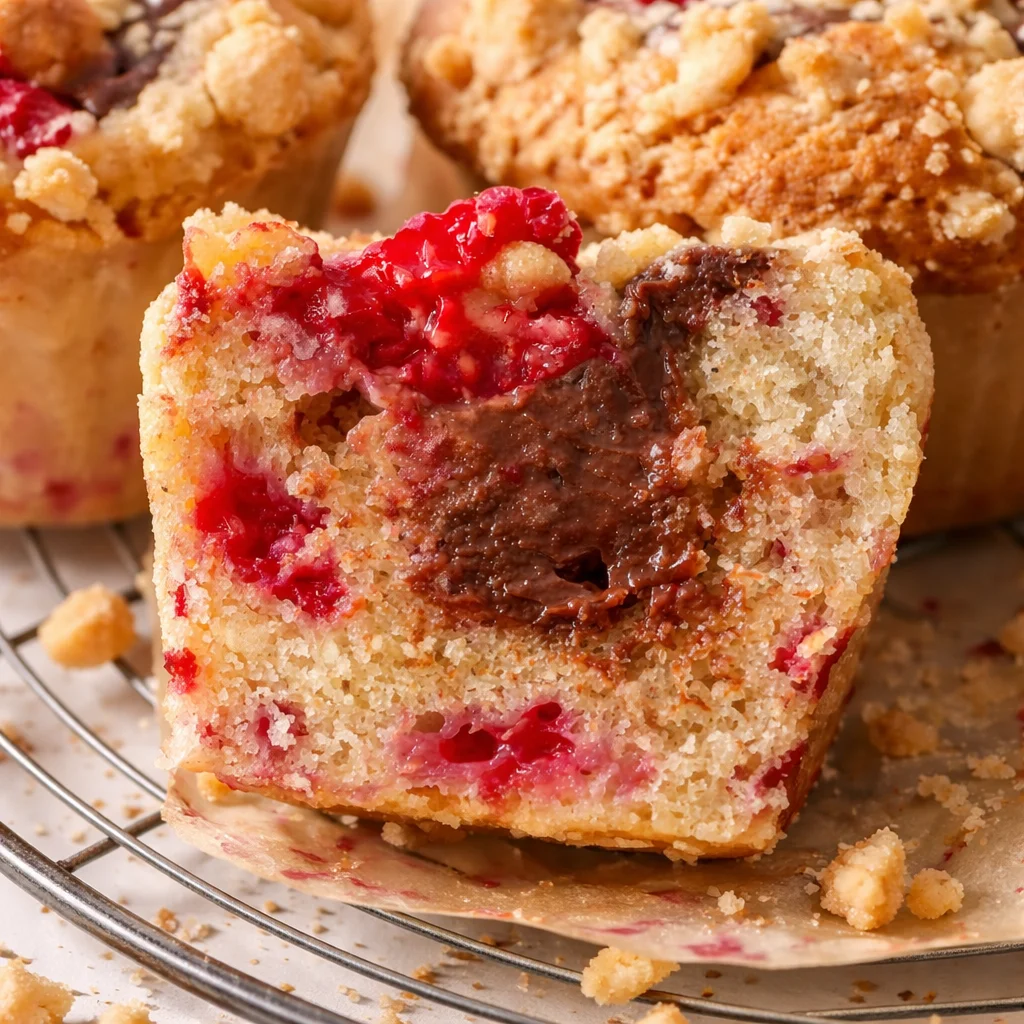
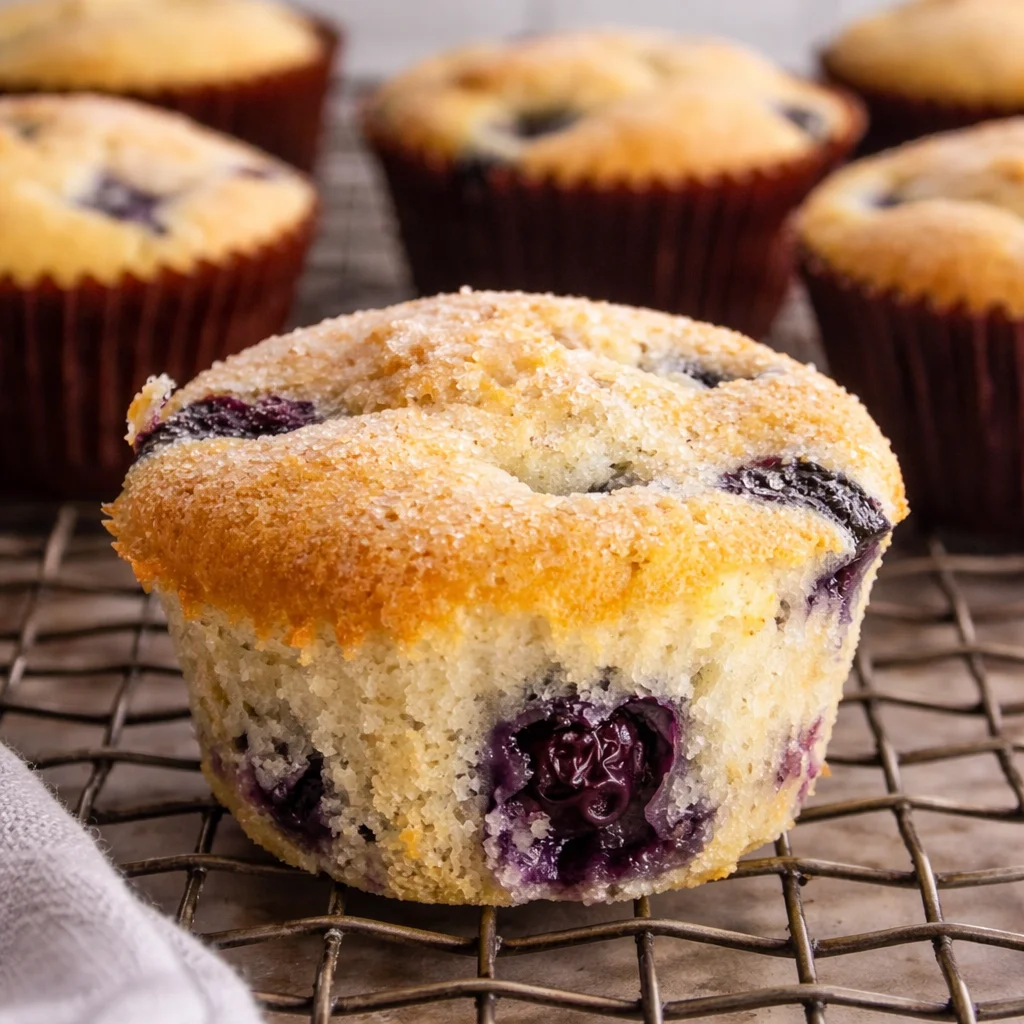
Gluten-Free Blueberry Muffins are one of those things I crave the second I see fresh blueberries on sale. But if you have ever made gluten free muffins that turned out dry, crumbly, or weirdly gummy, I get it. I have had my share of sad batches that looked cute but tasted like cardboard. This recipe is the one I keep coming back to because it stays soft, bakes up tall, and feels like a real bakery treat. The best part is it is genuinely simple, even on a sleepy weekend morning. 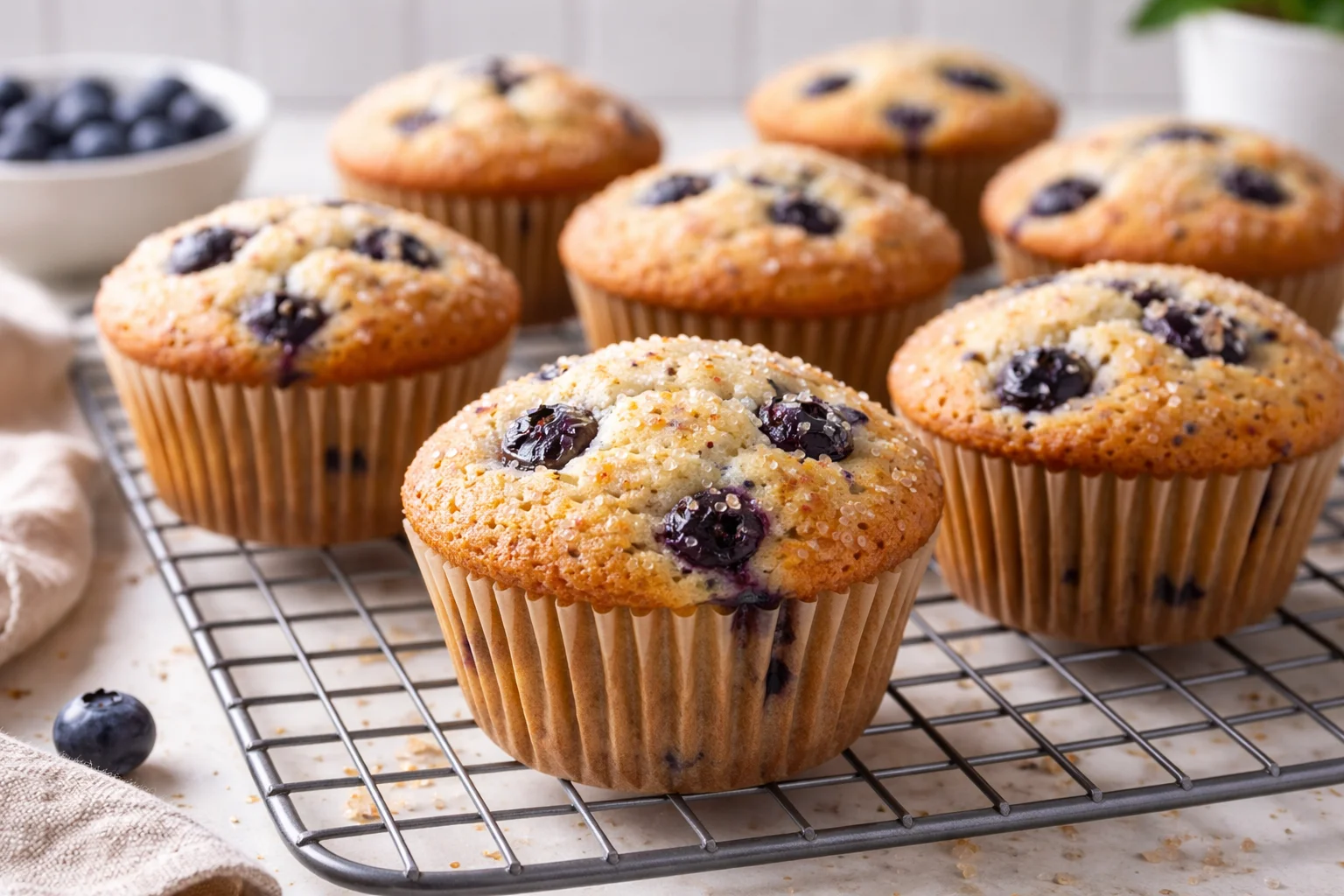
How to Make Gluten-Free Blueberry Muffins: Step by Step
I am going to walk you through this like I would if you were standing in my kitchen holding a mug of coffee. The goal is easy, reliable, and super snackable. These Gluten-Free Blueberry Muffins are sweet but not cupcake sweet, and they have that cozy vanilla smell that makes everyone wander into the kitchen.
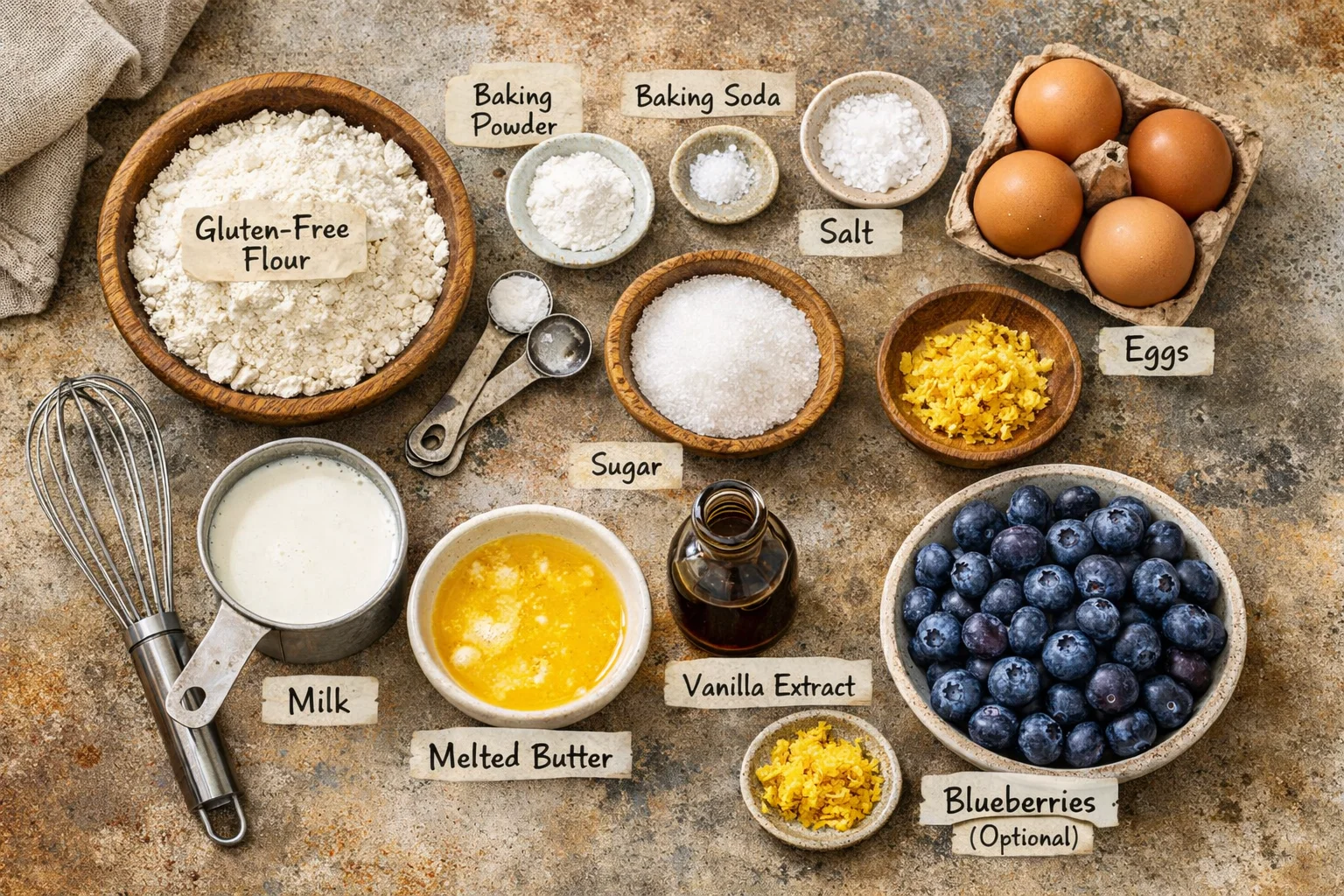
What you will need (ingredients and basic tools)
- Gluten-free flour blend (one that says 1 to 1 or measure for measure). If your blend does not include xanthan gum, add it if the package suggests.
- Baking powder and a pinch of baking soda
- Salt
- Sugar (regular white works great, but you can do light brown for a warmer flavor)
- Eggs
- Milk (any kind you like)
- Melted butter or a neutral oil
- Vanilla extract
- Blueberries (fresh or frozen)
- Lemon zest (optional, but really nice)
- Muffin pan and paper liners
- Two bowls, whisk, and spatula
Quick note on blueberries: if you use frozen, do not thaw them. Just toss them in straight from the freezer so they do not bleed everywhere before baking.
Simple directions that actually work
Here is the flow that gives you consistent muffins:
- Preheat your oven to 400 F. Line a muffin pan.
- In a bowl, whisk together your gluten-free flour blend, baking powder, baking soda, salt, and sugar.
- In another bowl, whisk eggs, milk, melted butter (or oil), and vanilla.
- Pour wet into dry and stir gently until you do not see dry pockets. Do not overmix. A few small lumps are totally fine.
- Toss blueberries with a tiny spoon of flour blend (this helps a bit with sinking). Fold them in gently.
- Scoop batter into liners. Fill them close to the top for those nice tall muffin tops.
- Bake about 5 minutes at 400 F, then lower to 350 F and bake until a toothpick comes out mostly clean (a couple moist crumbs are perfect).
- Cool in the pan for 5 to 10 minutes, then move to a rack.
If you like having a full recipe page open while you bake, I also have a dedicated version here that you can keep bookmarked: gluten-free blueberry muffins recipe.
One more practical tip: gluten free baking can vary a lot by flour brand. If your batter looks thicker than expected, add a splash of milk. If it looks runny, add a spoonful or two of flour blend. You want a thick, scoopable batter that sits up a bit in the bowl.
;
A note on sinking blueberries and blue muffin batter
Let us talk about the two blueberry muffin dramas that always show up. First, blueberries that sink to the bottom. Second, batter that turns kind of grayish blue. Both are normal, and both are fixable enough that you can still get beautiful Gluten-Free Blueberry Muffins.
For sinking berries, here is what helps most in real life:
1) Use thicker batter. If your batter is thin, berries drop fast. A thicker batter holds them in place better.
2) Toss berries in a little flour blend. It is not magic, but it reduces slipping.
3) Layer the batter. Put a spoon of batter in the liner, add a few berries, then top with the rest of the batter and a couple berries on top. This spreads them out instead of one heavy blob sinking.
Now about the blue batter: blueberries can react with baking soda and turn your batter a weird color. If you are using frozen berries, they also bleed more. I do not worry about it because the muffins still taste great, but if you care about looks:
Use fresh berries, fold gently, and do not overmix. Also, keep that frozen fruit frozen until the very last second.
“I made these for a school breakfast and every kid asked for seconds. Even my husband, who usually complains about gluten-free stuff, said they tasted like real bakery muffins.”
And if you are in a muffin mood in general, you might also like this other cozy option for using up starter: deliciously easy gluten-free sourdough discard muffins. Totally different vibe, but still easy and comforting.
Storing Leftovers
These muffins rarely last long at my house, but when they do, I store them in a way that keeps them soft. Gluten free baking can dry out faster than regular baking, so a little care here makes a big difference.
Here is what I do:
First day: Keep them on the counter in an airtight container. I like to add a paper towel in the bottom to soak up extra moisture.
After that: Move them to the fridge if your kitchen runs warm, but let them come to room temp before eating. Cold muffins can feel more dense.
Freezing: Wrap each muffin in plastic wrap (or use a freezer bag and remove air). Freeze up to 2 months. Reheat in the microwave for about 20 to 30 seconds, or let thaw naturally.
If you want that fresh baked feeling again, warming them is the trick. I like to slice one open, warm it, then add a little butter. It is simple and honestly kind of perfect.
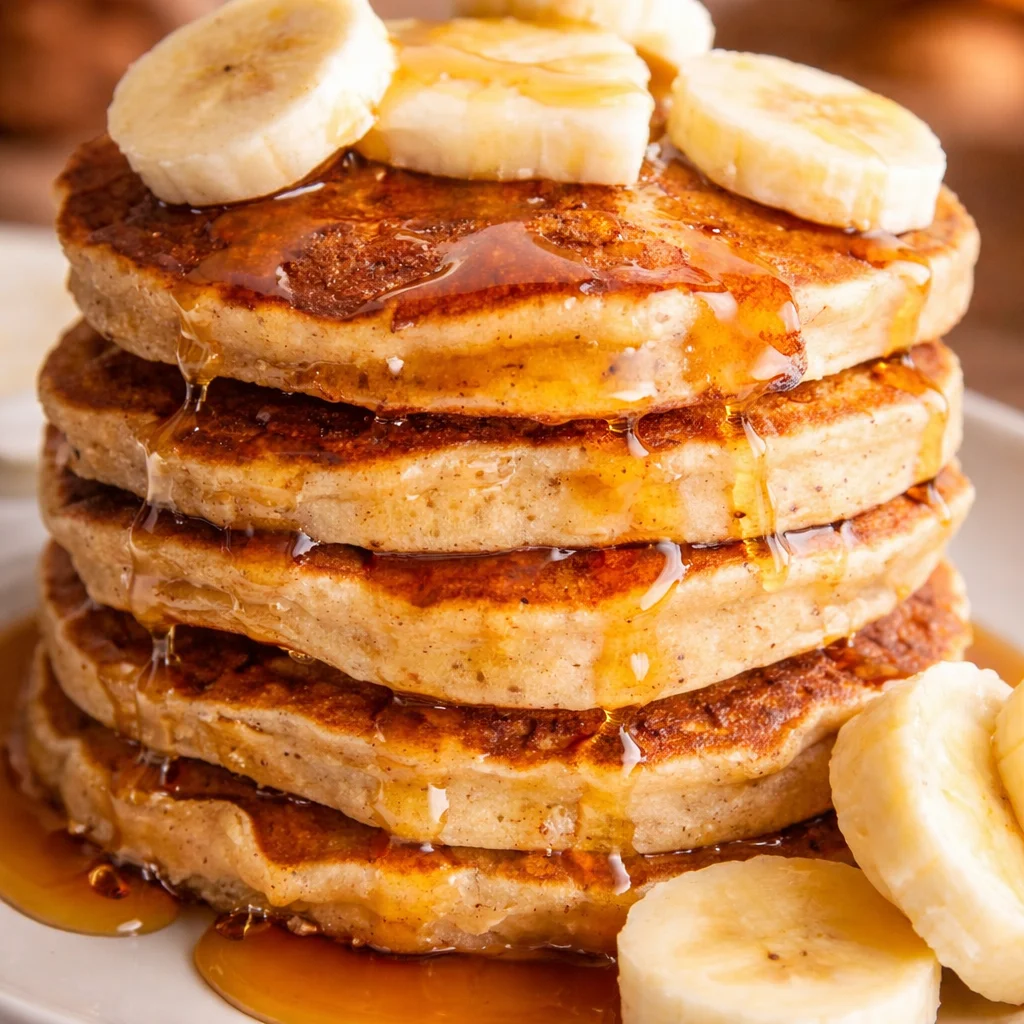
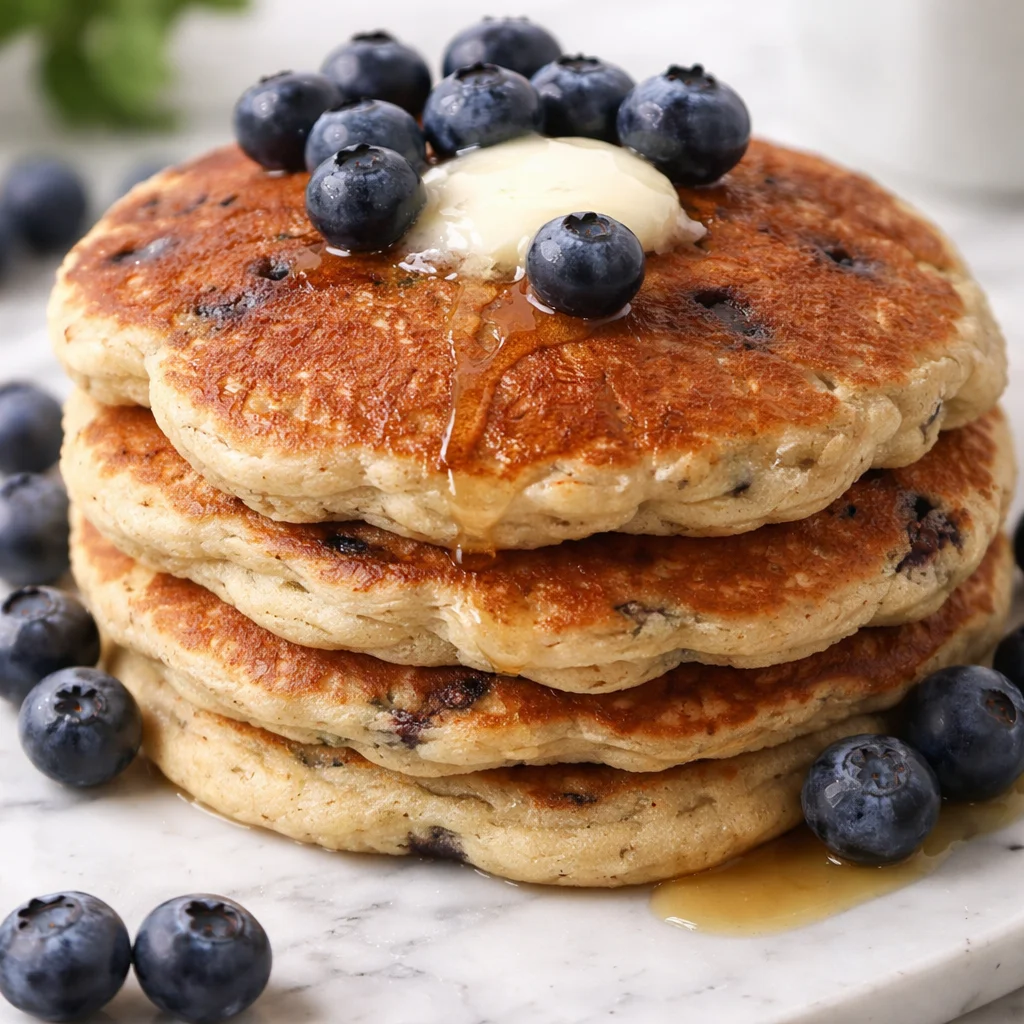
Also, these pair ridiculously well with a weekend breakfast spread. If you are doing a full brunch moment, you could add something like pancakes too. I have a fluffy option here: deliciously fluffy gluten-free blueberry pancakes.
Do I have to let the batter chill?
You do not absolutely have to, no. You can bake right away and still get delicious muffins. But if you have 15 to 30 minutes, chilling the batter can help Gluten-Free Blueberry Muffins rise a bit better and feel more tender.
Here is why, in plain terms: gluten free flour needs a little time to soak up the liquid. When it hydrates, the batter thickens slightly, which can lead to a nicer dome and less crumbly texture.
My honest routine:
If I am in a hurry, I bake right away. If I am making coffee, cleaning up, or answering a text and I have time, I chill the batter. Both work. The chill is just a small upgrade.
Can I make these gluten-free blueberry muffins dairy-free?
Yes, and it is pretty easy. These Gluten-Free Blueberry Muffins adapt well as long as you swap with something that has a similar texture.
Here are the swaps I have used with good results:
Milk: Use almond milk, oat milk, or coconut milk beverage. Choose an unsweetened one if you want the muffin sweetness to stay balanced.
Butter: Use melted dairy-free butter sticks or a neutral oil like avocado oil. Oil gives a slightly more moist crumb, which is not a bad thing at all.
Yogurt or sour cream (if you add it): Use a dairy-free plain yogurt. This is optional anyway, but it can add softness.
One tip: some dairy-free milks are thinner. If your batter looks looser, let it sit for 10 minutes so the flour can thicken it up before baking.
Common Questions
1) Can I use frozen blueberries?
Yes. Use them straight from the freezer. Do not thaw. Toss them in a little flour blend and fold them in gently.
2) Why did my muffins turn out dry?
Most often it is from overbaking or using too much flour. Use the spoon and level method if you are measuring by cups, and pull them once the toothpick has just a few moist crumbs.
3) What gluten-free flour blend is best?
Use a trusted 1 to 1 blend made for baking. Different brands absorb liquid differently, so watch the batter texture and adjust with a splash of milk if needed.
4) Can I reduce the sugar?
A little, yes. If you reduce too much, the muffins can taste flat and brown less. I would start by reducing 2 to 3 tablespoons and see how you like it.
5) How do I get taller muffin tops?
Fill liners close to the top and start baking at a higher temp for the first few minutes, then lower it. Also, do not overmix the batter.
A cozy last note before you bake
If you make these Gluten-Free Blueberry Muffins, I hope they give you that warm, happy kitchen feeling where everything smells like vanilla and berries. And if you want to compare versions or pick up extra tips, these are great reads: The Best Gluten-Free Bluberry Muffin Recipe, Gluten Free Blueberry Streusel Muffins – The Loopy Whisk, and Gluten-Free Blueberry Muffins (BEST EVER!) – Meaningful Eats. Bake a batch, stash a couple in the freezer for later, and do not stress the small stuff like a little blue swirl in the crumb. You have got this, and you are about to have a really good snack on your counter.
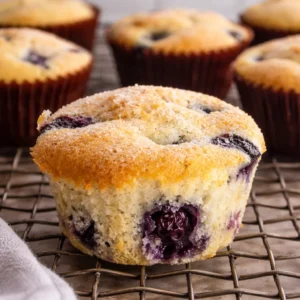
Gluten-Free Blueberry Muffins
Ingredients
Dry Ingredients
- 2 cups gluten-free flour blend Use a 1 to 1 blend; if it doesn't include xanthan gum, add it.
- 1 tbsp baking powder
- 1/4 tsp baking soda
- 1/2 tsp salt
- 1/2 cup sugar Regular white or light brown sugar can be used.
Wet Ingredients
- 2 eggs
- 1 cup milk Any kind you like.
- 1/2 cup melted butter Or use a neutral oil.
- 1 tsp vanilla extract
Add-ins
- 1 cup blueberries Use fresh or frozen (do not thaw).
- 1 tsp lemon zest Optional, but recommended.
Instructions
Preparation
- Preheat your oven to 400°F (200°C) and line a muffin pan with paper liners.
- In a bowl, whisk together the gluten-free flour blend, baking powder, baking soda, salt, and sugar.
- In another bowl, whisk together the eggs, milk, melted butter (or oil), and vanilla extract.
- Pour the wet ingredients into the dry ingredients and stir gently until just combined, leaving a few lumps.
- Toss the blueberries with a small amount of flour blend to help prevent sinking, then gently fold them into the batter.
Baking
- Scoop the batter into the prepared muffin liners, filling them close to the top for a tall muffin.
- Bake for 5 minutes at 400°F, then reduce the temperature to 350°F (175°C) and bake until a toothpick comes out mostly clean, about 18-20 minutes.
- Cool in the pan for 5 to 10 minutes before transferring to a wire rack.